A thermostat can look like a small upgrade until you realize it controls one of the biggest energy users in your home. This smart thermostat review for homeowners focuses on the questions that matter most: Will it work with your existing heating and cooling equipment, will it improve comfort, and is the investment likely to pay off?
For many households, the answer is yes – but not every smart thermostat is the right fit. The best choice depends on your system, your schedule, and whether you want hands-on control or a set-it-and-forget-it approach.
What a Smart Thermostat Actually Changes
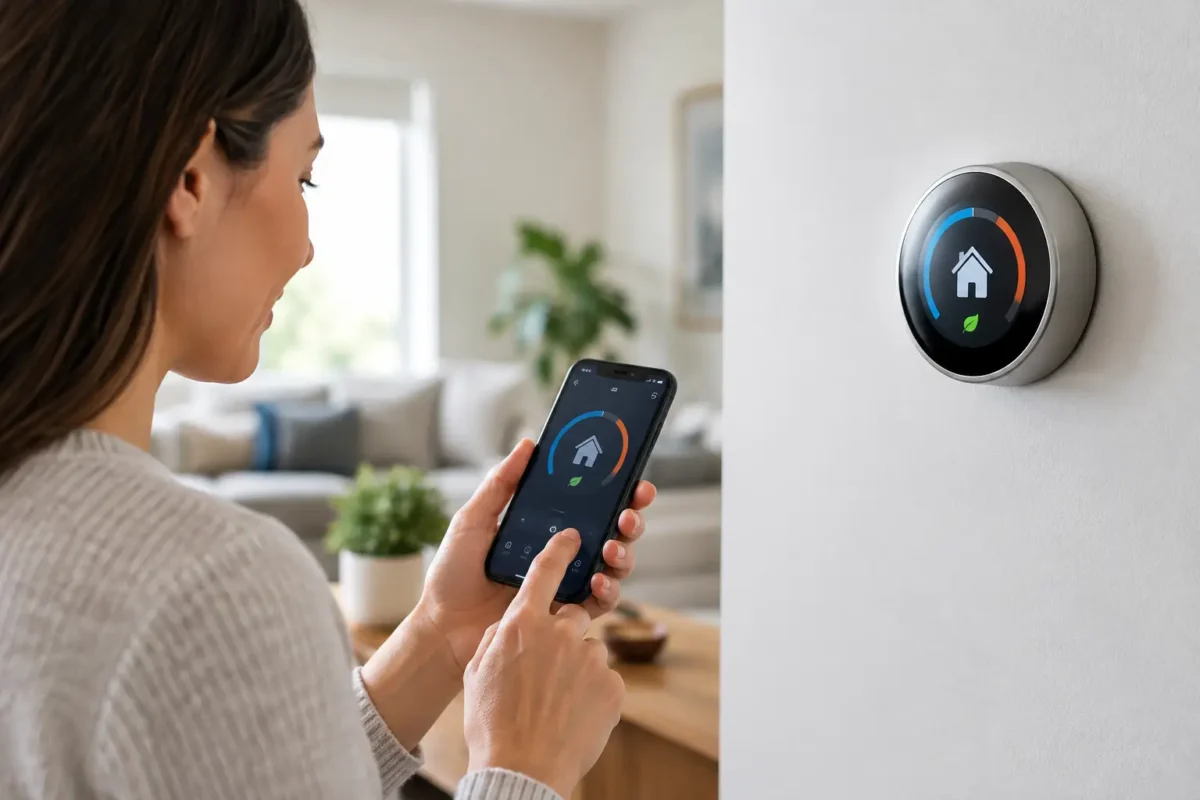
A standard programmable thermostat follows a schedule you set. A smart thermostat can do that too, but it can also connect to Wi-Fi, adjust settings through an app, provide energy reports, and respond to changing patterns in the home. Some models use occupancy sensors or phone location data to reduce heating or cooling when everyone is away.
The everyday benefit is convenience. You can raise the heat before getting out of bed, lower the temperature when you leave for work, or check whether the air conditioning was left running while you are away. For homeowners managing busy family schedules, that control can prevent wasted energy without asking anyone to remember another task.
Comfort can improve as well. Many smart thermostats are better at maintaining a steady indoor temperature than older manual controls. Some work with remote sensors, which can help address a bedroom that is consistently warmer or colder than the rest of the house.
Smart Thermostat Review for Homeowners: The Real Benefits
The strongest reason to install a smart thermostat is not the app. It is the ability to run your HVAC system more intentionally. Heating and cooling equipment uses less energy when it is not working to maintain a perfect temperature in an empty home.
Smart scheduling is particularly useful for homes with predictable routines. If the house is empty during school and work hours, the thermostat can automatically ease back the heating or cooling and return to a comfortable setting before people arrive home. Homeowners with less predictable schedules may benefit more from geofencing or occupancy features.
Energy reports are another practical feature. They show when your system runs the most and may flag unusual runtime. That information will not diagnose every furnace, heat pump, boiler, or air conditioner issue, but it can help you notice changes early. If your system suddenly runs much longer than normal to reach the same setting, it may be time to schedule service.
For some homes, smart thermostat alerts add useful peace of mind. Depending on the model and system, you may receive notifications for extreme indoor temperatures, filter reminders, or connection problems. These alerts are helpful during winter travel or when checking on a vacant property, although they should never replace regular maintenance or prompt action when equipment stops heating or cooling.
Compatibility Comes Before Features
The most common smart thermostat mistake is buying based on features before confirming compatibility. A thermostat must be matched to the type of HVAC equipment in the home and the wiring already in place.
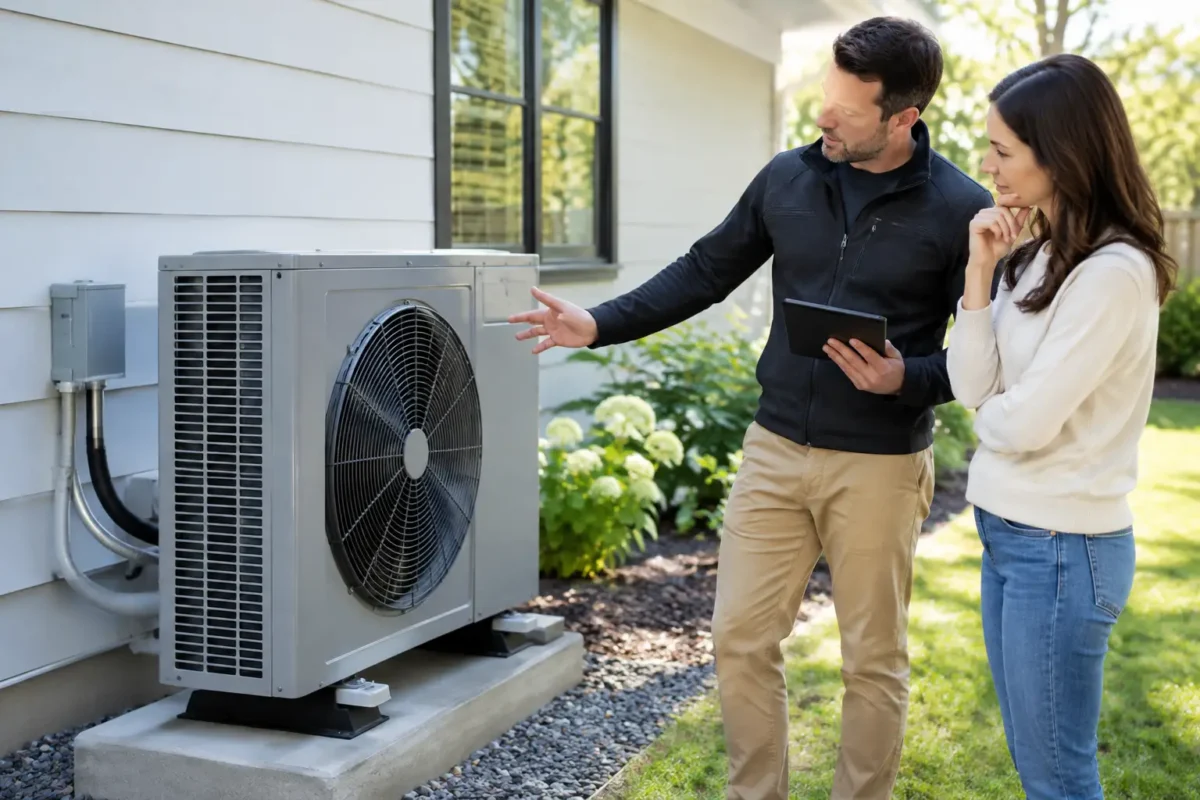
Many forced-air furnaces and central air conditioning systems are compatible with popular smart thermostat models. Homes with heat pumps can also be excellent candidates, but setup matters. Heat pump systems use staging and auxiliary heat differently than conventional furnaces, so improper configuration can reduce efficiency or create comfort problems.
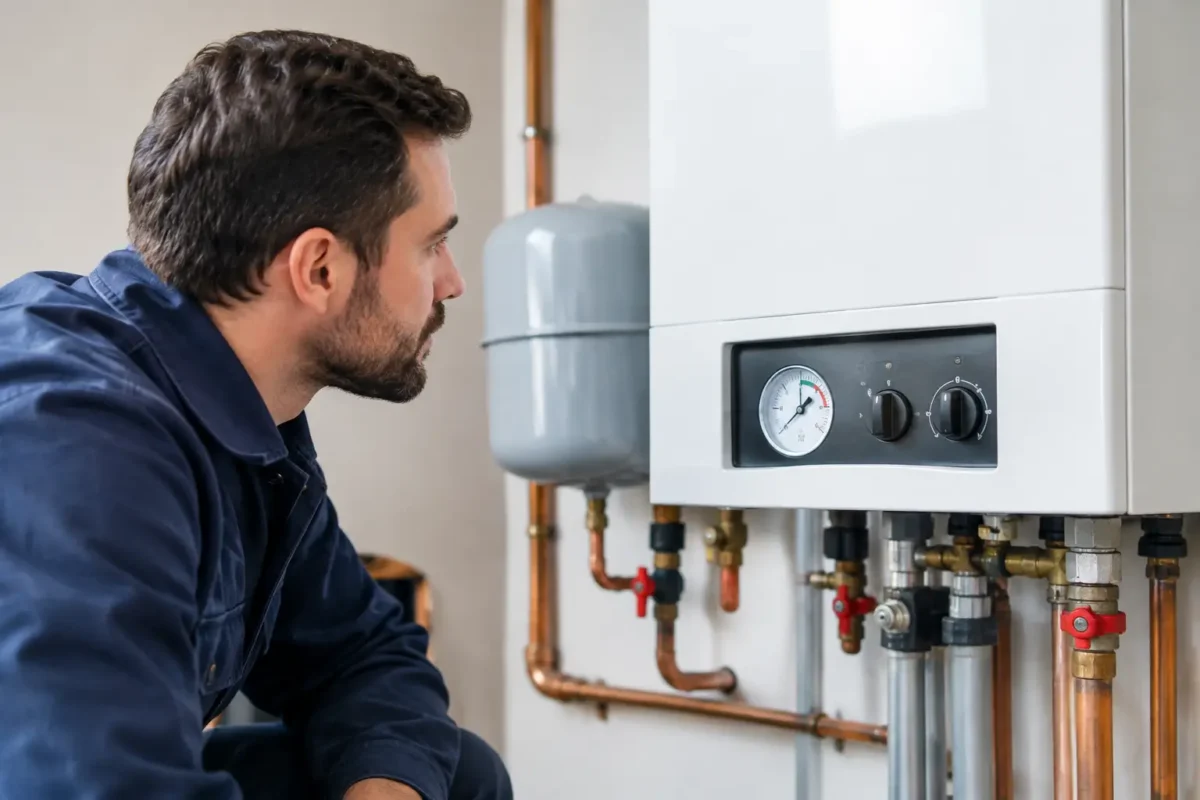
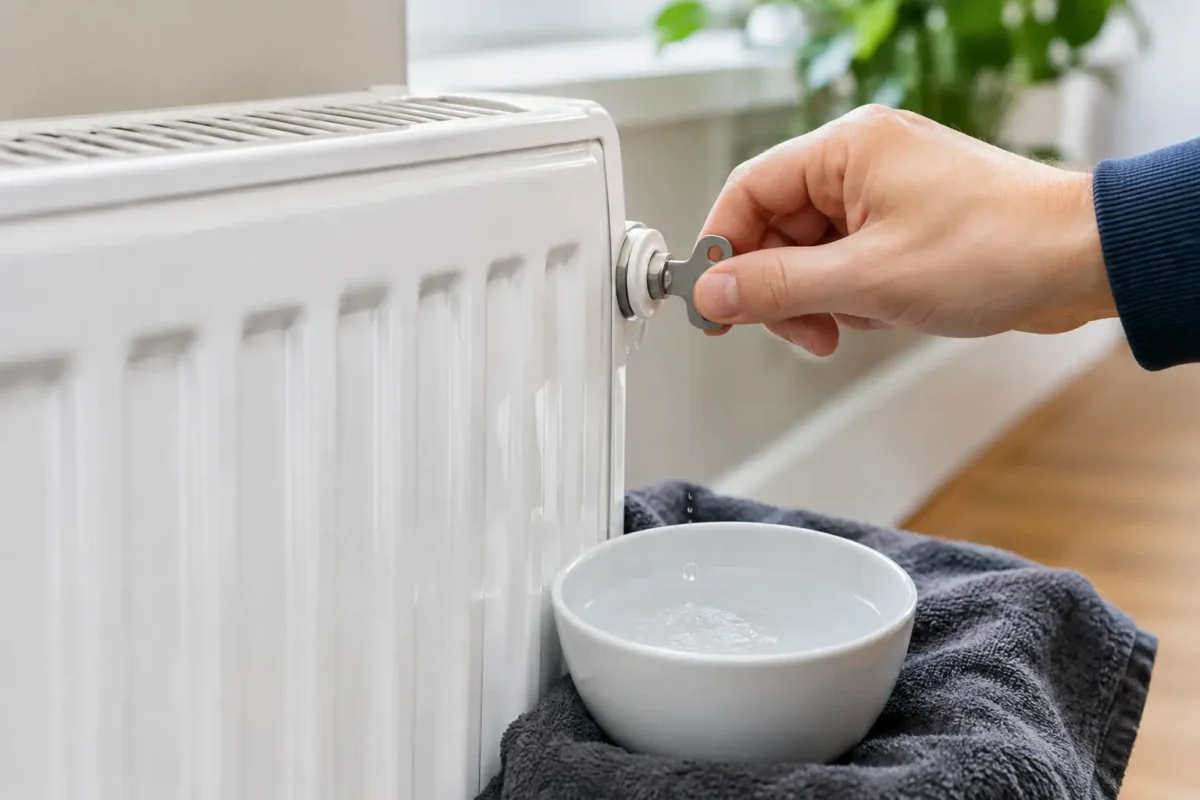
Boilers, radiant heating, and multi-zone systems require extra attention. Some use low-voltage controls that work well with smart thermostats, while others need a specific control, relay, or professional wiring adjustment. A thermostat that works in a basic single-zone furnace home may not properly control a hydronic heating system.
The C-wire is another factor. This common wire provides continuous power to many Wi-Fi thermostats. Some models include adapters or use alternative wiring methods when a C-wire is missing, but those solutions are not always ideal. A qualified HVAC technician can inspect the wiring and recommend an option that protects your equipment and delivers reliable operation.
Features Worth Paying For
Not every homeowner needs every feature. A clear display, dependable app control, and accurate temperature sensing are more valuable than a long list of settings you will never use.
Look for scheduling that is easy to adjust. If programming the thermostat feels complicated, it will probably stay on one setting and deliver fewer savings. Useful scheduling should let you create simple weekday and weekend routines while still allowing quick changes for vacations, sick days, or guests.
Remote room sensors can be worth the added cost in homes with uneven temperatures. They help the thermostat consider the temperature in the rooms you use most, not only the hallway where the thermostat is mounted. They are especially helpful in two-story homes, homes with large south-facing windows, and bedrooms located far from the central system.
System compatibility features also matter. If you have a variable-speed furnace, multi-stage equipment, a heat pump, humidifier, ventilator, or zoning controls, choose a thermostat designed to support those components. A less expensive model may technically operate the system while failing to use its efficiency and comfort features properly.
Voice control and smart-home integrations can be convenient, but they should be secondary. A thermostat should remain easy to use at the wall even when Wi-Fi is down, a phone battery is dead, or a guest needs to adjust the temperature.
Where Smart Thermostats Have Limits
A smart thermostat cannot fix undersized equipment, failing components, duct leaks, poor insulation, or incorrect airflow. If certain rooms are uncomfortable no matter what setting you choose, the source may be a system design or maintenance issue rather than the thermostat.
Savings also vary. A household that already uses careful temperature setbacks may see smaller energy reductions than a home where heating and cooling run at the same temperature around the clock. In a mild climate, cooling savings may be limited, while homes with longer heating seasons may see more value from smarter scheduling.
Privacy deserves consideration too. Wi-Fi thermostats collect usage data, and some use location-based features through a mobile app. Review the manufacturer’s privacy settings and choose the level of data sharing that feels right for your household. Strong account passwords and two-factor authentication are sensible precautions for any connected home device.
Installation: DIY or Professional Help?
A simple thermostat replacement can be a manageable DIY project for an experienced homeowner with a compatible, conventional system. Take clear photos of the existing wiring, shut off power to the equipment, and follow the manufacturer’s instructions carefully. Never rely only on wire color, since colors can be inconsistent in older installations.
Professional installation is the better choice when you have a heat pump, boiler, radiant heat, zoning, multi-stage equipment, missing wires, or uncertainty about your current setup. The value is not just mounting the thermostat. Proper installation includes confirming the equipment type, configuring stages and temperature settings, testing heating and cooling calls, and making sure the system cycles correctly.
A professional can also help determine whether your thermostat is located in the right place. A thermostat near direct sunlight, a kitchen, a fireplace, an exterior door, or a supply vent can receive misleading temperature readings. In that case, a better thermostat alone may not solve the comfort issue.
Is a Smart Thermostat Worth It for Your Home?
A smart thermostat is usually a worthwhile upgrade if you have compatible equipment, want more control over energy use, and regularly leave home for work, school, travel, or errands. It can be especially valuable when paired with a high-efficiency furnace, heat pump, air conditioner, or zoning system that is configured to use its capabilities correctly.
If your current system struggles to keep you comfortable, start with an HVAC assessment rather than assuming a thermostat is the answer. Pro West Heating & Air Conditioning can help homeowners identify compatible controls and make sure the full heating and cooling system is working as it should.
The right smart thermostat should make comfort easier, not add another device to manage. Choose one that fits your equipment and daily habits, then let it handle the small adjustments that keep your home comfortable while reducing unnecessary runtime.