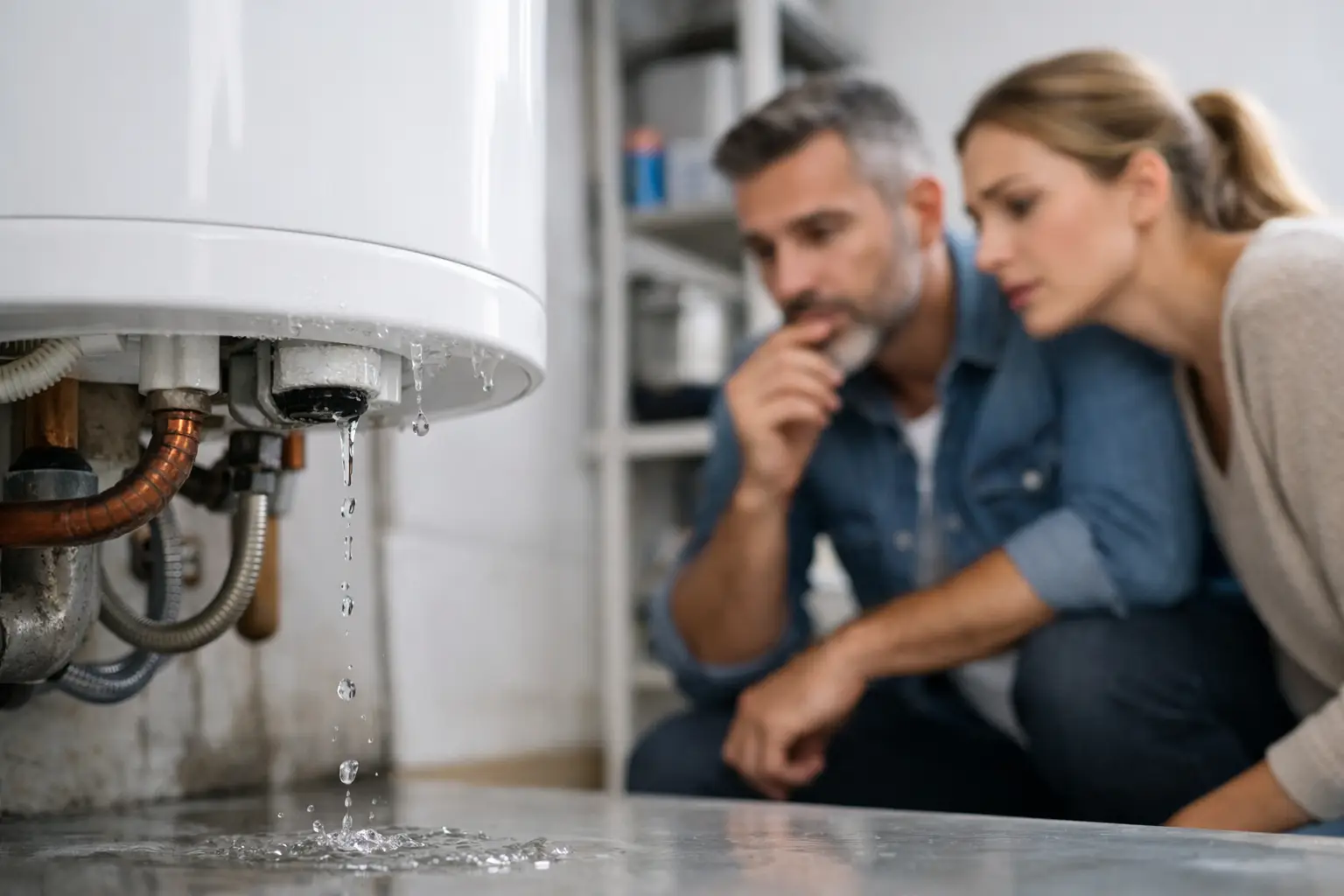
A puddle beneath a boiler may look like a minor plumbing problem, but it can quickly affect your heat, hot water, flooring, and safety. So, are boiler leaks dangerous? They can be. The level of risk depends on where the water is coming from, how much is leaking, and whether there are signs of gas, electrical damage, or carbon monoxide.
A boiler should not leak. Even a slow drip can point to a failed seal, a pressure issue, internal corrosion, or a component nearing the end of its life. Acting early usually means a simpler repair and less disruption to your home.
Are Boiler Leaks Dangerous? It Depends on the Source
Not every boiler leak is an immediate emergency, but none should be ignored. A small amount of water from a pipe fitting or pressure relief valve may not put your family in immediate danger. It can still damage the boiler and surrounding materials if left unaddressed.
The concern becomes more urgent when water reaches electrical components, the leak is heavy or growing, the boiler loses pressure repeatedly, or you notice an unusual smell. A leaking boiler can also cause the system to shut down, leaving your home without dependable heat or hot water when you need it most.
With a gas boiler, it is also essential to separate a water leak from a gas or combustion problem. Water itself does not create carbon monoxide. However, a boiler that is damaged, poorly vented, or not operating correctly may create risks that require immediate professional attention.
When a Leaking Boiler Is an Emergency
Call for emergency help and leave the area if you smell gas, hear a strong hissing sound near the boiler or gas line, or suspect a gas leak. Do not operate switches, light a flame, or try to diagnose the source yourself. Once you are safely outside, contact your gas utility or emergency services as appropriate.
You should also treat the situation as urgent if your carbon monoxide alarm sounds or anyone in the home feels dizzy, nauseated, unusually tired, confused, or has a persistent headache. Get everyone into fresh air and seek emergency assistance. Carbon monoxide has no color or odor, which is why working carbon monoxide alarms near sleeping areas and fuel-burning equipment are so important.
A major water leak deserves a fast response as well, particularly if water is pouring from the unit, running near outlets or electrical panels, or spreading across finished flooring. In that case, turn off the boiler only if it is safe to do so, shut off the water supply if you know where the valve is, and call a qualified heating technician.
What Causes a Boiler to Leak?
Boilers are closed systems, so recurring water loss is a sign that something needs attention. The exact cause matters because the right repair for a loose fitting is very different from the right solution for a corroded heat exchanger.
A leaking pressure relief valve is a common issue. This valve is designed to discharge water when system pressure becomes too high. If it drips occasionally, the boiler may be over-pressurizing, the expansion tank may have failed, or the valve itself may no longer seal properly. Simply closing or plugging the valve is not a safe fix.
Leaks can also develop at pipe connections, circulator pumps, zone valves, drain valves, or seals around internal components. These are often repairable when caught early. Corrosion is more concerning. Over time, rust can weaken pipes, fittings, or the boiler’s heat exchanger. If the heat exchanger is leaking, replacement may be more practical than repeated repairs, especially on an older unit.
Condensing boilers add another possibility: a condensate drain issue. These high-efficiency systems produce moisture during normal operation. A blocked drain line, cracked condensate trap, or frozen exterior drain can cause water to back up or leak around the unit. The repair may be straightforward, but it should be completed properly to prevent recurring shutdowns and water damage.
Risks Beyond the Boiler Room
The most obvious risk of a water leak is property damage. Water can soak drywall, warp flooring, damage cabinets, and create conditions for mold growth. A small leak in a utility room can travel farther than expected, especially if it reaches a lower level or concealed area behind a wall.
There is also a comfort and cost issue. As a boiler loses water, system pressure can drop. Radiators or radiant heating zones may stop warming evenly, the boiler may lock out, and your home may feel colder. Repeated pressure loss also forces the equipment to work under conditions it was not designed to handle.
Trying to keep topping up the system is not a long-term solution. Fresh water introduces oxygen and minerals that can speed up internal corrosion. If you need to add pressure more than once in a while, arrange a professional inspection to find the source of the loss.
What to Do When You Find a Leak
Start by protecting people and property, not by taking the boiler apart. If the leak is small and there is no gas odor, alarm, or electrical hazard, place a container or towels beneath the drip and move valuables away from the area. Take a clear photo or short video of the leak, as this can help a technician understand what is happening before arrival.
Next, look at the boiler pressure gauge if your system has one. Most residential systems operate within a normal pressure range shown on the gauge or in the manufacturer instructions. Extremely high pressure, often near the red zone, may explain water coming from the relief valve. Do not attempt to release pressure or adjust internal components unless you have been instructed by a qualified professional.
Avoid using tape, sealant, or a temporary patch on the boiler itself. These measures can conceal a failing part, interfere with safe operation, and make a proper diagnosis harder. Do not remove the boiler cover. Gas, electrical, and combustion components should be handled by a licensed technician.
If you can safely identify the water shutoff valve and the leak is substantial, turning off the water supply may limit damage. If you are unsure which valve to use, wait for professional guidance rather than shutting off a valve that affects another part of the home.
Can You Keep Using a Boiler That Leaks?
Sometimes a technician may determine that a minor external drip does not require an immediate shutdown. But that decision should be based on the source and condition of the system, not on how small the puddle appears.
Do not continue operating a boiler that has a heavy leak, visible corrosion, unstable pressure, repeated lockouts, water near electrical wiring, or any possible gas or carbon monoxide concern. Continuing to run it can turn a repairable issue into significant equipment damage or a home restoration project.
For homeowners in Coquitlam, Metro Vancouver, and the Fraser Valley, a local heating professional can assess the boiler, identify the failed component, and explain whether repair or replacement offers better long-term value. Pro West Heating & Air Conditioning provides responsive residential boiler service, including help when a heating problem cannot wait.
Preventing Future Boiler Leaks
Annual boiler maintenance is one of the best ways to catch early warning signs before they become a breakdown. During service, a technician can inspect fittings and valves, check operating pressure, test safety controls, look for corrosion, and confirm that venting and condensate drainage are working correctly.
Pay attention between visits, too. New rust stains, a damp spot under the boiler, frequent pressure changes, gurgling pipes, or reduced heat in one part of the house are all reasons to schedule service. These signs do not always mean the boiler needs replacement, but they do mean the system deserves a closer look.
A boiler leak is rarely something that gets better on its own. A quick professional assessment can protect your home, preserve your comfort, and give you a clear answer before a small drip becomes an urgent repair.