Heat Pumps for Reliable Year-Round Comfort

Heat pumps deliver efficient heating and cooling in one system. Learn how they work, what to expect, and when a professional installation makes sense.

A furnace that runs all winter and an air conditioner that works overtime in July can make home comfort feel expensive. Heat pumps offer a different approach: one outdoor system that moves heat to warm your home in cold weather and removes heat to cool it when temperatures rise. For many Lower Mainland homeowners, that means more consistent comfort, lower energy use, and fewer pieces of equipment to manage.

The right system is not simply the largest one available or the one with the lowest initial price. Your home’s insulation, existing equipment, electrical capacity, ductwork, and heating habits all affect whether a heat pump will be a smart long-term upgrade.

How Heat Pumps Work

Unlike a gas furnace or boiler, a heat pump does not create heat by burning fuel. It transfers heat from one place to another using refrigerant. Even cool outdoor air contains usable heat. In heating mode, the system draws that heat indoors. In cooling mode, it reverses direction and carries indoor heat outside.

That transfer process is why heat pumps can be highly efficient. Instead of converting fuel directly into heat, they use electricity to move existing heat. Modern cold-climate equipment is designed to operate effectively through much of a Lower Mainland winter, including damp, chilly conditions that are common in Coquitlam, Metro Vancouver, and the Fraser Valley.

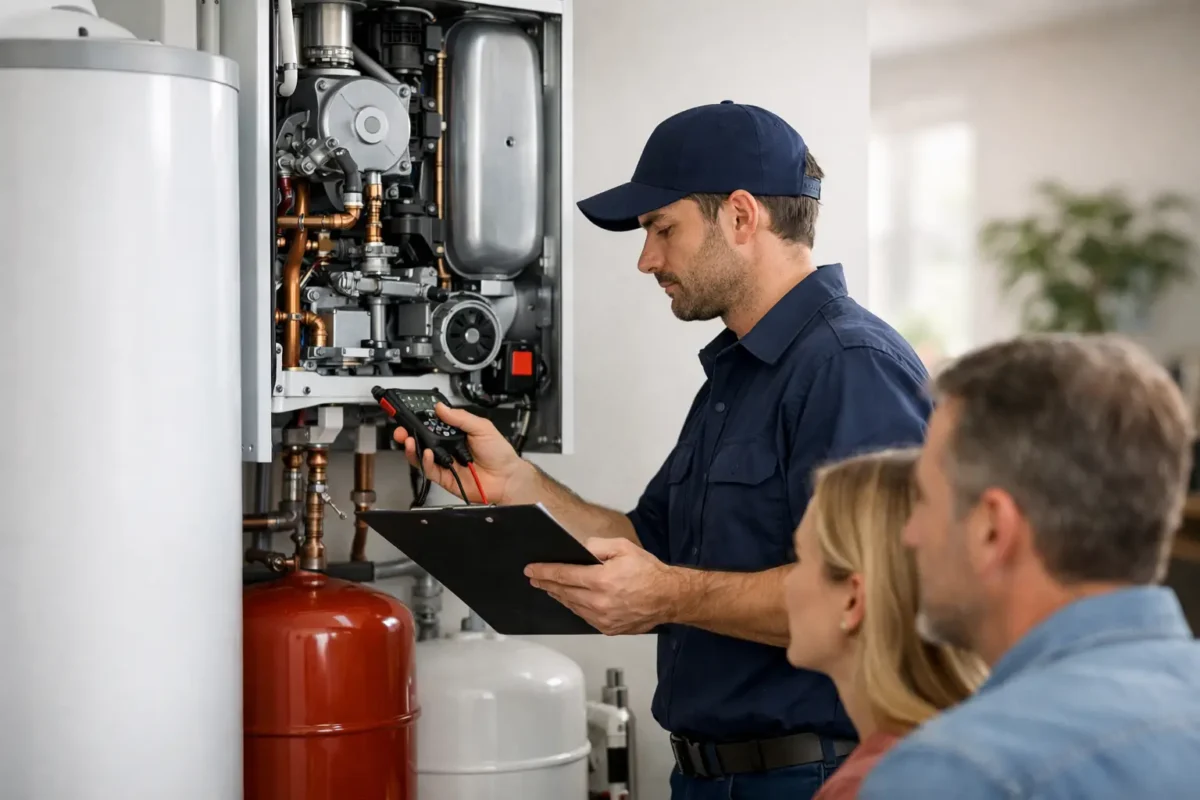
A typical system includes an outdoor unit, an indoor air handler or coil, refrigerant lines, controls, and a thermostat. If your home has forced-air ductwork, a central ducted system may be the best fit. Homes without ducts may benefit from ductless indoor units installed in key living areas, bedrooms, or additions.

Heating and Cooling From One System

The practical appeal is straightforward. A heat pump can replace an aging air conditioner while also reducing reliance on a furnace, baseboard heaters, or another heating source. Instead of switching between separate heating and cooling equipment each season, your home uses one integrated comfort system.

In summer, it operates much like an air conditioner, pulling heat and moisture out of indoor air. In winter, it provides steady heat rather than the short, high-temperature bursts many homeowners associate with a furnace. That gentler operation can improve temperature consistency from room to room, particularly when airflow and thermostat placement are properly addressed.

Comfort is not just about the temperature displayed on a thermostat. A well-designed system also considers airflow, humidity, noise levels, filtration, and how different floors of the home are used. A finished basement, a sun-facing upper floor, and a rarely used guest room may have very different comfort needs.

What Happens During Colder Weather?

A heat pump’s output changes as outdoor temperatures fall. High-performance cold-climate models continue producing useful heat at low temperatures, but some homes benefit from a backup heat source for the coldest periods. This may be an existing gas furnace, electric heat strips, a boiler, or another compatible system.

This setup is often called dual fuel or hybrid heating. The heat pump handles much of the season efficiently, while the backup system provides support when conditions or operating costs make it the better choice. It is not a compromise or a failure of the equipment. In many homes, it is the most practical way to balance comfort, efficiency, and reliability.

Is a Heat Pump Right for Your Home?

Heat pumps are a strong option for many homes, but they are not identical from one property to the next. A proper recommendation starts with the house, not a sales brochure.

A professional assessment should account for your home’s square footage, layout, window exposure, insulation levels, air leakage, existing heating system, electrical panel, and duct condition. Oversizing can cause short cycling, uneven comfort, unnecessary wear, and higher upfront cost. Undersizing may leave the system relying too heavily on backup heat during colder weather.

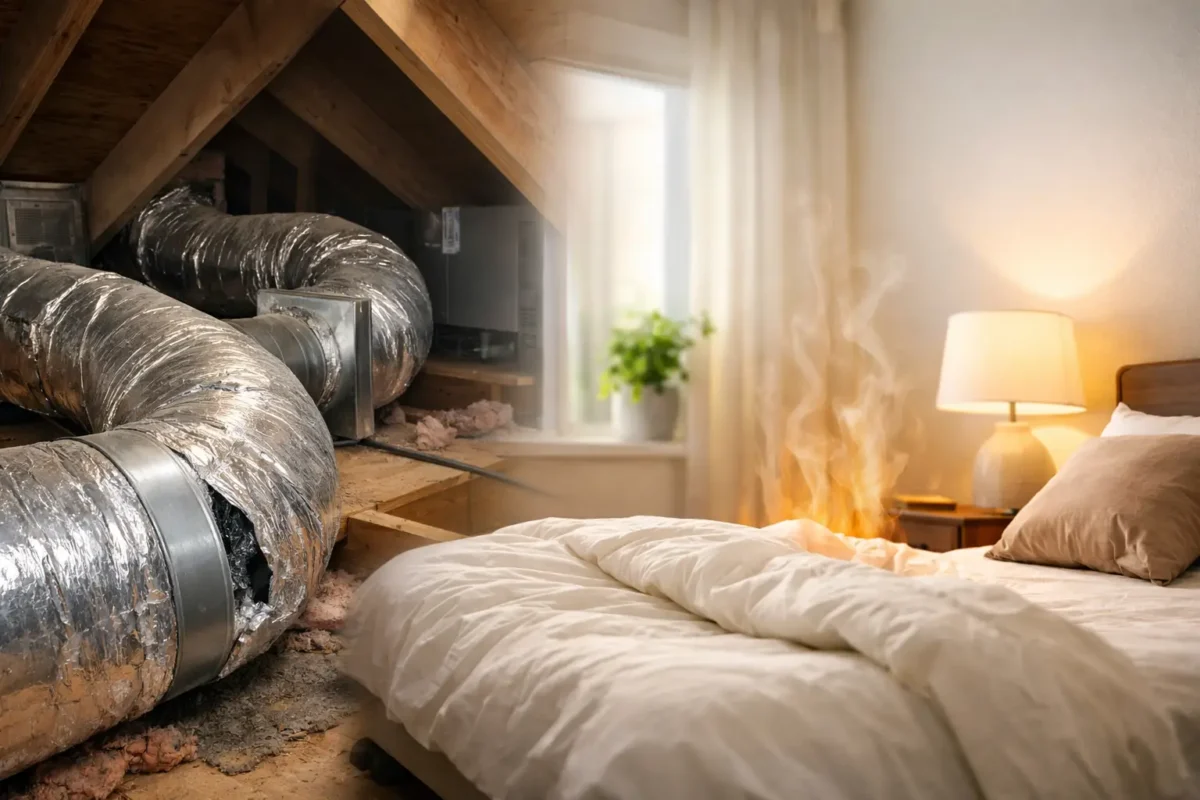
Ductwork deserves special attention. Older ducts may be undersized, poorly sealed, or unevenly distributed. Installing efficient new equipment without resolving major airflow issues can limit the comfort and savings you expect. In some cases, duct modifications, zoning, or a ductless solution will deliver better results than forcing a central system into a layout that does not support it.

Heat pumps are particularly worth considering if you are replacing an older air conditioner, dealing with high electric resistance heating costs, planning a major renovation, or looking for a lower-emission home comfort option. They can also work alongside existing equipment rather than requiring a complete all-at-once replacement.

Understanding Efficiency, Costs, and Savings

Efficiency ratings can help compare equipment, but they do not tell the whole story. Heating performance is commonly measured by HSPF2, while cooling efficiency is measured by SEER2. Higher ratings generally indicate lower energy use under standardized conditions, but your actual results depend on weather, thermostat settings, home construction, installation quality, and local utility rates.

The installation cost also varies. A straightforward replacement using existing compatible ductwork is different from adding new electrical circuits, replacing an air handler, upgrading ducts, or installing multiple ductless zones. The lowest quote may not include the design work, commissioning, warranty support, or electrical and airflow corrections needed for the system to perform as intended.

Rebate programs can help reduce the cost of qualifying energy-efficient upgrades. Eligibility rules, available funding, required documentation, and equipment requirements can change, so it is wise to confirm options before approving an installation. Homeowners should also look beyond the rebate amount. A system should make sense for your comfort needs and expected operating costs even after incentive programs are considered.

Choosing Between Ducted and Ductless Heat Pumps

Ducted heat pumps are often a natural fit for homes with usable forced-air ductwork. They keep the familiar look of a central system, use discreet supply registers, and can serve the whole home through one indoor unit. They may also pair well with an existing furnace in a dual-fuel arrangement.

Ductless heat pumps use wall-mounted, floor-mounted, or concealed indoor heads connected to an outdoor unit. They are useful for homes with boiler heat, electric baseboards, no ductwork, room additions, converted garages, and areas that are consistently too hot or too cold. Because each indoor unit can be controlled separately, they can provide targeted comfort and reduce energy use in unused rooms.

The trade-off is visual preference and system design. Some homeowners prefer the nearly invisible appearance of central ducts, while others value the room-by-room control of ductless units. A knowledgeable contractor can explain both options without treating one as the automatic answer.

Installation Quality Protects Your Investment

The equipment nameplate is only part of the equation. Proper sizing, refrigerant line installation, electrical work, condensate drainage, airflow setup, thermostat configuration, and startup testing all shape performance.

A good installation should include a clear plan for the outdoor unit location. The unit needs proper clearance, stable mounting, drainage, and protection from avoidable snow, debris, and recirculating exhaust air. Indoor components need access for future maintenance. Small decisions made during installation can affect noise, reliability, and serviceability for years.

Before work begins, ask what equipment is included, whether your existing system will remain as backup, what changes are needed to ducts or electrical service, and how the contractor will verify performance at startup. Clear answers prevent surprises and help you compare estimates fairly.

Maintenance Keeps Performance Steady

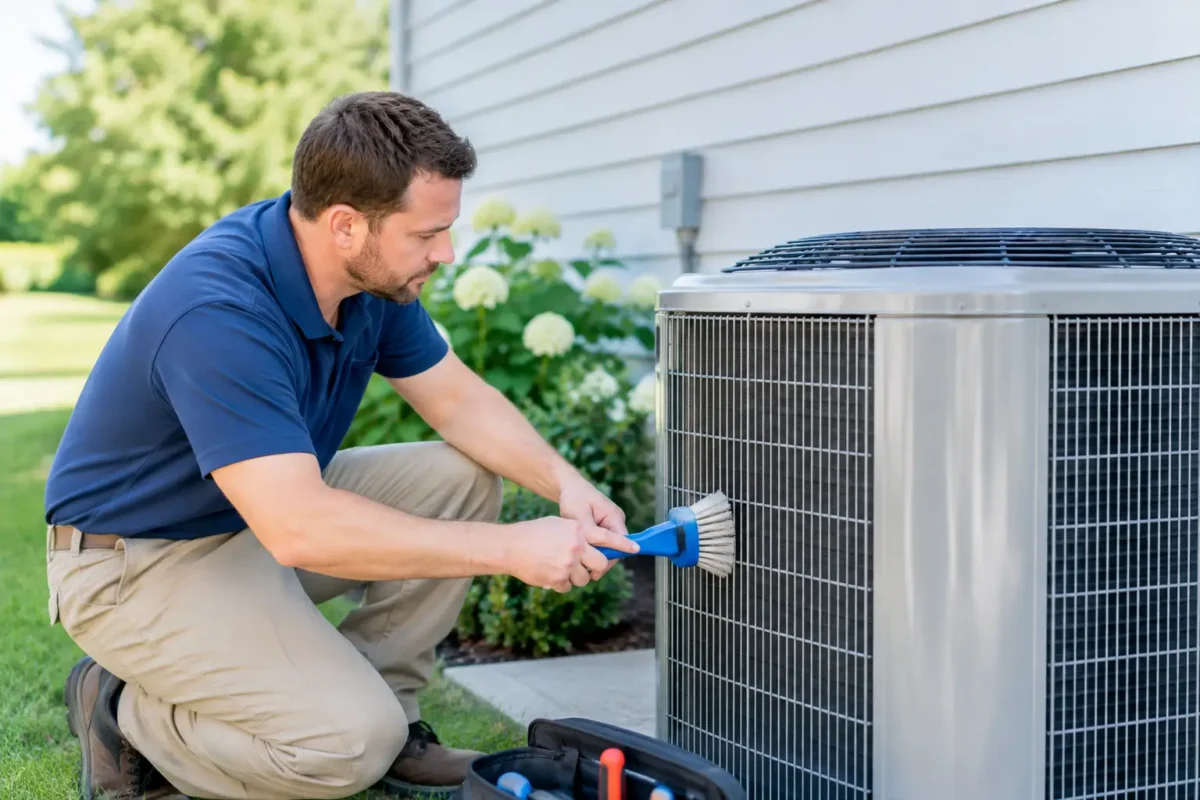
Heat pumps need regular care, just like furnaces and air conditioners. Homeowners can replace or clean filters as recommended, keep outdoor units clear of leaves and obstructions, and avoid blocking indoor supply and return vents. Do not cover the outdoor unit tightly or stack items around it.

Professional maintenance checks the parts homeowners cannot easily assess, including refrigerant operation, electrical connections, drainage, coils, airflow, and heating and cooling performance. Annual service helps identify small concerns before they become a no-heat call or a mid-summer cooling breakdown.

If your system starts making unusual noises, runs constantly without reaching the set temperature, produces weak airflow, or leaves rooms noticeably uneven, schedule service rather than waiting for a complete failure. Prompt diagnosis is usually easier on both the equipment and the repair budget.

A heat pump upgrade should leave your home feeling simpler to manage, not more complicated. Pro West Heating & Air Conditioning can assess your existing system, explain practical options, and help you choose a solution built for dependable comfort through every season.

Why Is My AC Leaking Water? Common Causes

Why is my AC leaking water? Learn the common causes, safe steps to take, and when to call an HVAC professional to protect your home and cooling system.

A puddle near your indoor AC equipment is never something to ignore. If you are asking, why is my AC leaking water, the answer may be as simple as a clogged drain line or as urgent as a frozen coil. Acting quickly can help prevent ceiling damage, mold growth, electrical issues, and a more expensive repair.

Your air conditioner removes humidity as it cools your home. That moisture has to go somewhere, so the system collects it and sends it outside through a condensate drain line. Water is normal inside the system. Water on your floor, around the furnace or air handler, or dripping through the ceiling is not.

Why Is My AC Leaking Water Inside the House?

Most indoor AC leaks begin with a drainage problem, but several components work together to manage condensation. The location of the water, the condition of the system, and whether the AC is still cooling can help narrow down the cause.

A Clogged Condensate Drain Line

This is one of the most common reasons an AC leaks water indoors. Dust, algae, dirt, and debris can build up in the condensate drain line over time. When the line becomes blocked, water backs up into the drain pan and eventually spills out.

You may notice standing water near the indoor unit, a musty smell, or the system shutting off if it has a safety float switch. In some homes, the leak may first appear as a stain on a ceiling below an attic air handler.

A minor clog can sometimes be cleared, but the drain system should be inspected if water has overflowed. Simply removing visible water does not address what caused the backup or confirm that the pan and safety controls are still working properly.

A Dirty Air Filter Causing a Frozen Coil

A clogged air filter restricts airflow across the evaporator coil. Without enough warm household air moving over that coil, it can become cold enough to freeze. When the system shuts off or the ice melts, a large amount of water can overwhelm the drain pan and create a leak.

Other signs of a frozen coil include weak airflow from vents, reduced cooling, ice on refrigerant lines, or an AC that runs for long periods without bringing down the indoor temperature. Turn the cooling system off if you see ice. Running it while frozen can strain the compressor and increase the risk of damage.

Replace a dirty filter, then allow the system to thaw fully before restarting it. If the coil freezes again, the problem may involve low refrigerant, a blower issue, or another airflow restriction that needs professional service.

A Cracked, Rusted, or Misaligned Drain Pan

The drain pan sits beneath the evaporator coil and catches condensation before it enters the drain line. Older metal pans can rust through, while plastic pans can crack. A pan may also shift out of position after service, vibration, or an installation issue.

Many systems have a primary pan and a secondary overflow pan. Either one can leak if it is damaged or not draining correctly. Because the pan is often difficult to access, this repair is best handled by an HVAC technician who can inspect the coil area and drainage path without damaging surrounding equipment.

A Disconnected or Improperly Installed Drain Line

A condensate line must be securely connected, properly sloped, and set up to drain correctly. If a fitting comes loose, the line sags, or the pipe was installed without the right trap, water may spill before it reaches the drain.

This can happen after renovations, equipment replacement, or work performed around the air handler. It can also affect newer systems if the drain configuration was not matched to the unit’s requirements. A technician can correct the setup and verify that water flows freely during operation.

Low Refrigerant or a Refrigerant Leak

Low refrigerant pressure can make the evaporator coil too cold, leading to ice buildup and a water leak when the ice melts. Unlike a dirty filter, refrigerant does not get used up under normal operation. Low refrigerant often means there is a leak that needs to be located and repaired.

Warning signs can include hissing noises, warm air from vents, longer cooling cycles, rising energy bills, and repeated coil freezing. Adding refrigerant without fixing the leak is only a temporary solution. Proper repair requires diagnosing the source, repairing it when feasible, and charging the system to the manufacturer’s specifications.

A Failed Condensate Pump

Some homes use a condensate pump because gravity cannot carry water to the nearest drain. The pump collects water in a small reservoir and pumps it away when the level rises. If it loses power, becomes clogged, or fails mechanically, the reservoir can overflow.

You may hear the pump running continuously, hear no pump activity at all, or see water around the pump near the indoor unit. Do not assume the pump will start working again on its own. A failed pump can create a fast, recurring leak.

What to Do When Your AC Is Leaking Water

Start by protecting your home and staying safe. Turn off the AC at the thermostat. If water is near electrical wiring, the furnace control board, or other electrical components, turn off power to the equipment only if you can do so safely. Avoid standing water around electrical equipment.

Place towels or a shallow container beneath the leak to limit floor damage, then remove soaked materials such as rugs or cardboard. If the leak is coming through a ceiling, move furniture away from the area and contact a professional promptly. A bulging ceiling can hold a significant amount of water and may become a safety hazard.

Next, check the air filter. If it is visibly dirty, replace it with the correct size and type for your system. Look for obvious ice on the refrigerant line or coil access area, but do not chip at the ice or force open panels. Let the system thaw with cooling turned off.

Avoid pouring harsh chemicals into the drain line. Some products can damage drain components, create fumes, or move a clog deeper into the system. A qualified technician can clear the line, flush it safely, inspect the pan, test the float switch, and determine whether the leak is part of a larger cooling problem.

When an AC Water Leak Needs Professional Repair

Call for service if the leak returns after changing the filter, if the AC is freezing, or if the unit is not cooling properly. You should also schedule prompt service if water is leaking from the ceiling, the drain pan is cracked, the condensate pump has failed, or you suspect refrigerant trouble.

An AC leak is especially urgent when it affects a finished basement, hardwood flooring, drywall, insulation, or electrical components. The longer water remains in concealed areas, the greater the chance of material damage and mold growth.

For homeowners dealing with an active cooling problem, Pro West Heating & Air Conditioning can assess the full system, not just the visible water. That matters because a cleared drain line will not solve a recurring freeze-up, refrigerant leak, or blower problem.

How to Help Prevent Future AC Leaks

Regular maintenance is the most reliable way to reduce the risk of condensate problems. During a professional tune-up, the technician can clean the condensate drain, inspect the pan and pump, check airflow, examine the evaporator coil, and catch developing issues before water reaches your living space.

At home, replace filters on schedule based on the filter type, household conditions, pets, and system use. Keep supply and return vents open and unobstructed so the system can maintain proper airflow. During humid weather, pay attention to unusual odors, reduced cooling, or water around the indoor equipment.

Is Water Dripping Outside From My AC Normal?

Usually, yes. Water dripping from a properly connected condensate drain outside the home is often a normal result of humidity removal, particularly during hot and humid weather. The concern is water leaking indoors, pooling around equipment, or coming from places where the drain should not discharge.

Can I Run My AC If It Is Leaking Water?

It depends on the cause and location of the leak, but shutting the system off is the safest choice until the issue is understood. Continued operation can worsen overflow damage, and a leak caused by a frozen coil or electrical issue should not be ignored.

A small amount of condensation is part of normal cooling. A visible indoor leak is your system telling you that drainage, airflow, or cooling performance needs attention. Addressing it early is the best way to protect your home and get back to dependable comfort.

Boiler Versus Furnace Heating for Your Home

Compare boiler versus furnace heating for comfort, efficiency, installation cost, and maintenance so you can choose the right system for your home now.

A heating replacement is not just a question of what will make the house warm. It affects how each room feels on a cold morning, whether the air feels dry, what future repairs may cost, and how easily the system can work with your home’s layout. When comparing boiler versus furnace heating, the better choice depends on your existing equipment, comfort priorities, fuel availability, and budget – not on a one-size-fits-all answer.

For many homeowners, the most practical first question is simple: are you replacing a system that has failed, or planning a larger comfort upgrade? Keeping a similar system can reduce installation work. Switching from a furnace to a boiler, or the other way around, can deliver a different kind of comfort but may require significant changes to your home.

How boiler heating works

A boiler heats water and circulates it through pipes to radiators, baseboard units, or in-floor radiant tubing. The heat transfers from those surfaces into the room, creating steady, gentle warmth. Modern high-efficiency boilers can use natural gas or propane, and they are often paired with zoning controls that let you manage temperatures in different areas of the home.

Because a boiler does not move heated air through ductwork, it generally produces quieter heat with less airborne dust circulation. That is a meaningful benefit for homeowners who prefer radiant comfort or who have rooms that feel drafty with forced-air heating.

Boilers are especially common in homes with existing radiators, hydronic baseboards, or radiant floors. If those components are in good condition, replacing an aging boiler with a properly sized efficient model can be a smart way to improve comfort and reduce fuel use without rebuilding the heating distribution system.

What boiler comfort feels like

Radiant and hydronic heat warms surfaces and people, not just the air. Floors can feel more comfortable underfoot, and room temperatures tend to change gradually instead of cycling quickly between warm blasts and cooler pauses. Many homeowners describe boiler heat as even and calm.

That slower response is also a trade-off. If you turn the thermostat up several degrees, a boiler system may take longer to catch up than a furnace. Proper controls, zoning, and routine maintenance make a major difference in performance.

How furnace heating works

A furnace heats air and sends it through ductwork using a blower motor. Warm air reaches rooms through supply vents, while return vents pull cooler air back to the system for reheating. Gas furnaces are common in homes across many colder regions because they can heat a house quickly and work with a central duct system.

A furnace is often the straightforward option when the home already has usable ducts. It can also support more than winter heating. The same ductwork can distribute air conditioning, work with certain heat pump configurations, and accommodate air cleaners, humidifiers, and other indoor air quality equipment.

What furnace comfort feels like

Forced-air heat responds quickly. If the house gets chilly after a door is left open or temperatures drop overnight, a furnace can raise the indoor temperature fast. This makes it a practical choice for busy households that want responsive controls.

The trade-off is that moving air can create more noticeable temperature differences between rooms, particularly in homes with leaky, poorly designed, or unbalanced ducts. Furnaces can also make dry winter air more apparent. A professional duct assessment and thermostat setup can improve these concerns considerably.

Boiler versus furnace heating: the key differences

The central difference is the delivery method. Boilers circulate heated water, while furnaces circulate heated air. That affects comfort, installation requirements, maintenance, and the upgrades available to you.

A boiler may be the better fit when your home already has a hydronic system, you value quiet radiant warmth, or you want room-by-room zoning without adding ductwork. A furnace may make more sense when ductwork is already in place, fast heating is a priority, or you want one central system to support heating, cooling, filtration, and humidity control.

Neither option is automatically more efficient. Annual efficiency depends on the equipment model, fuel source, sizing, installation quality, thermostat settings, insulation, duct condition, and maintenance. A high-efficiency furnace installed on undersized or leaking ducts may underperform. Likewise, a high-efficiency boiler cannot deliver its full value if pumps, controls, or radiators are not operating properly.

Installation cost depends on what is already in your home

Equipment price matters, but installation scope usually has a bigger influence on the final project cost. Replacing an existing furnace with a new furnace is generally less complex than converting a home from hydronic heat to forced air. The same is true in reverse: converting a ducted home to a full boiler and radiator or radiant-floor system can involve extensive piping and finish work.

If your current boiler is aging but the pipes and heat emitters are sound, a boiler replacement can be a cost-effective long-term solution. If your home has a functioning duct system and you also need central air conditioning, a furnace or heat pump solution may provide more value from the same distribution system.

Before deciding, ask for an in-home assessment that considers more than square footage. Proper sizing should account for insulation, windows, ceiling height, home orientation, air leakage, number of occupants, and the condition of ducts or piping. Oversized heating equipment can short-cycle, waste energy, and wear out sooner.

Maintenance and repair considerations

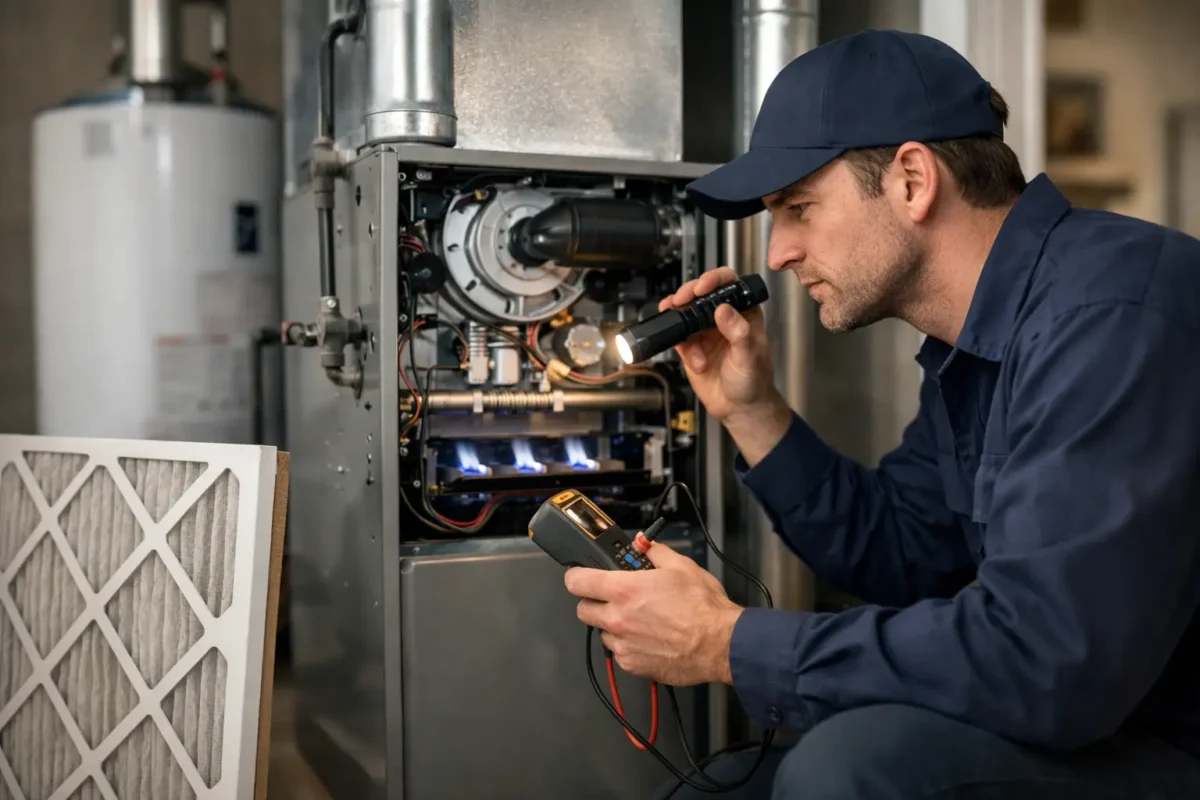
Both systems need annual professional service. For a furnace, that typically includes checking the heat exchanger, burners, ignition components, filter condition, blower operation, venting, safety switches, and carbon monoxide performance. Homeowners should also replace or clean filters on schedule to protect airflow and efficiency.

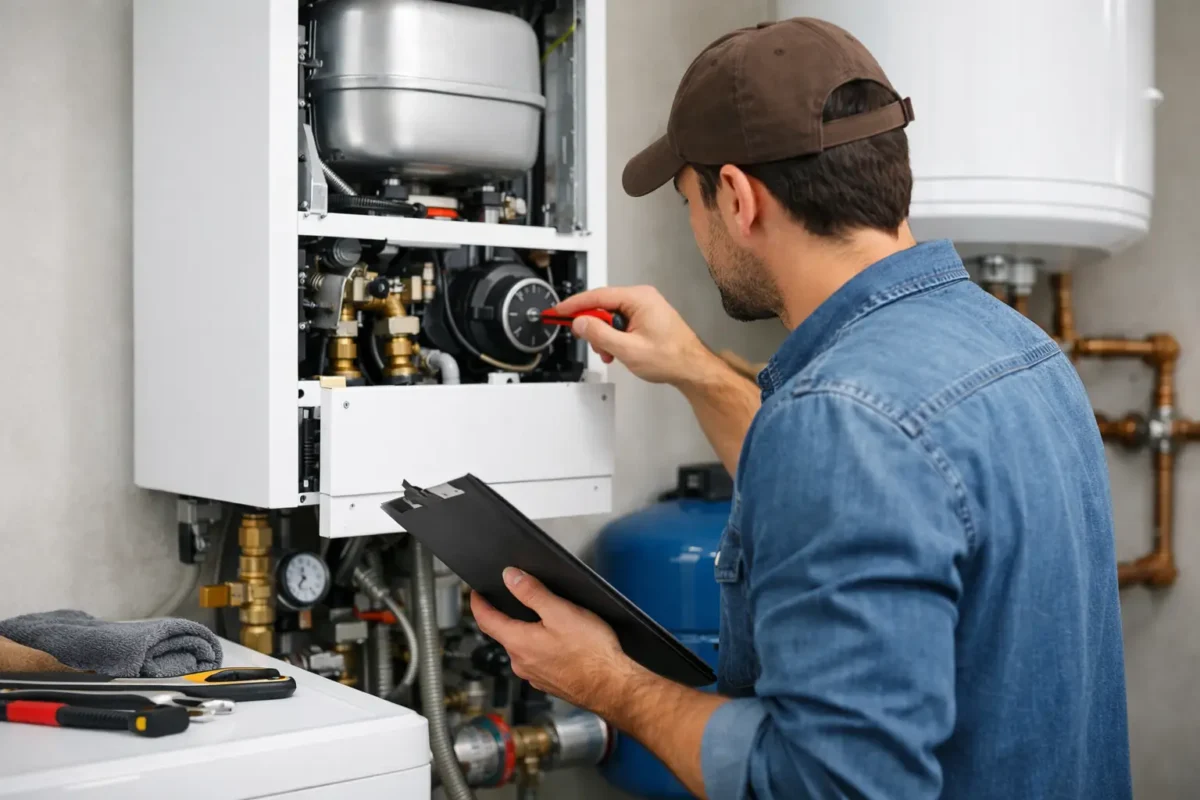
For a boiler, service commonly includes inspecting the burner, venting, pressure, expansion tank, circulator pumps, valves, controls, and water quality. Small leaks, unusual banging sounds, pressure changes, or cold zones should be addressed early. Ignoring them can turn a manageable repair into water damage or a system shutdown during cold weather.

Boilers often have fewer moving air-handling components than furnaces, but their piping and hydronic controls require specialized knowledge. Furnaces have readily accessible filters and familiar ductwork, but duct leaks, blower issues, and combustion problems require professional attention. In either case, licensed service protects comfort and safety.

Can a boiler or furnace work with a heat pump?

Yes, but the setup differs. A ducted heat pump can often work alongside a furnace, using the existing ductwork for efficient electric heating and air conditioning. The furnace can provide backup heat during very cold weather or when it is the more economical choice based on local utility rates.

Hydronic heat pump options are also available for some boiler-based homes, although system design is more specialized. A homeowner with a boiler may choose to keep it for dependable radiant heat while adding separate cooling solutions, such as ductless equipment or a dedicated air handler where appropriate.

This is one reason the decision should be based on the entire home comfort system, not only the heating appliance. Your cooling needs, available rebates, electrical capacity, and plans for future upgrades all deserve a place in the conversation.

Which system is right for your home?

Choose a boiler when you already have a well-maintained hydronic system, prefer quiet and even radiant heat, or want the comfort of warm floors and zoned rooms. Choose a furnace when your home has ducts, you want quick heating response, or you want central heating and cooling from one air distribution system.

If both options are possible, focus on the cost of ownership rather than the purchase price alone. Compare projected fuel use, expected maintenance, needed home modifications, available incentive programs, and the condition of the infrastructure you already own. The right answer may be to replace like for like, or it may be a broader upgrade that solves uneven rooms, high energy bills, and cooling needs at the same time.

When your current system is unreliable, do not wait for the next cold spell to force a rushed decision. A qualified home assessment can show what is worth repairing, what should be replaced, and which heating path will keep your household comfortable for years to come.

Why Is My Furnace Blowing Cold? Common Fixes

Why is my furnace blowing cold? Learn safe homeowner checks, common causes, and when to call a qualified HVAC technician for fast, reliable repair today.

A furnace that starts up, runs for a few minutes, and then sends cold air through the vents is more than frustrating on a cold Lower Mainland night. If you are asking, “why is my furnace blowing cold,” the cause may be as simple as a thermostat setting or clogged filter. It can also point to an ignition, airflow, or safety-control issue that needs professional repair.

The good news is that a few safe checks can help you narrow down the problem. The key is knowing when to stop troubleshooting. Gas furnaces rely on combustion, electrical controls, ventilation, and moving parts working together. If you smell gas, notice a burning odor that does not fade quickly, see water around the furnace, or hear loud banging, turn the system off and arrange service right away.

Why Is My Furnace Blowing Cold Air?

Your thermostat tells the furnace to heat, the burners create heat, the heat exchanger transfers that heat to the air, and the blower moves warm air through your home. Cold air can result when any part of that sequence is interrupted.

Sometimes the furnace is producing heat but the blower is running at the wrong time. In other cases, the burners never ignite or shut down shortly after starting. A trained technician can identify the exact failure, but homeowners can often rule out a few common, low-risk causes first.

The thermostat is set incorrectly

Start at the thermostat. Confirm it is set to Heat, not Cool or Fan Only, and set the temperature at least three to five degrees above the current room temperature. If the fan setting is switched from Auto to On, the blower may run continuously between heating cycles. That air will feel cool because the furnace is not actively heating it.

Switch the fan back to Auto and wait several minutes for a normal heating cycle. If you have a smart thermostat, check its schedule and battery level as well. A schedule change, weak batteries, or incorrect wiring configuration can cause confusing heating behavior.

The filter is dirty and airflow is restricted

A clogged furnace filter is one of the most common reasons for intermittent cold air. Restricted airflow causes heat to build up inside the furnace. To prevent overheating, a safety limit switch shuts the burners off. The blower may continue running, pushing unheated air through the ductwork.

Turn the furnace off before checking the filter. If it is gray, heavily coated with dust, or has not been replaced within the manufacturer’s recommended interval, install the correct replacement. Very high-efficiency filters can also restrict airflow if they are not suited to your system. The best filter choice depends on your furnace, ductwork, indoor air quality needs, and household factors such as pets or allergies.

After changing the filter, restore power and see whether the furnace completes a normal cycle. If it still overheats or blows cold air, do not keep resetting it. There may be a dirty blower, blocked return duct, failing limit switch, or another issue requiring service.

The furnace has not finished warming up

When a furnace first starts, it takes a short time for the heat exchanger to warm before the blower begins. Most systems delay the fan automatically. If you stand at a vent immediately after startup, the air may feel lukewarm for a moment.

That is normal only if warm air follows quickly and the system maintains a steady cycle. Air that stays cold, or turns cold after being warm, is not a normal warm-up delay.

Common Furnace Problems That Need Repair

If the thermostat and filter are not the issue, the problem may be within the furnace itself. Modern furnaces display diagnostic codes through blinking indicator lights, but those codes are only a starting point. The underlying cause still needs to be tested properly.

Ignition or pilot light failure

Older furnaces may use a standing pilot light, while newer models typically use an electronic igniter and flame sensor. If the pilot is out or the igniter fails, the burners cannot light. The blower may still operate, making it seem as though the furnace is working even though it is not producing heat.

A dirty flame sensor is another frequent culprit. The burners may light briefly, then shut off because the control board cannot verify a stable flame. This is a repair best handled by a licensed HVAC technician. Repeatedly cycling or attempting to relight a gas furnace without finding the cause can create bigger problems.

A tripped limit switch

The high-limit switch protects the furnace from overheating. It may trip because of a dirty filter, blocked vents, a closed return grille, a failing blower motor, or buildup on internal components. Once the burners shut down, the blower can keep running to cool the unit, which leaves you with cold air at the registers.

Avoid blocking supply vents or return air grilles with furniture, rugs, or storage. Closing too many vents to redirect heat can also disrupt airflow and strain the system. If the limit switch trips repeatedly, professional diagnosis is needed to correct the reason it is overheating.

Condensate drain or venting trouble

High-efficiency furnaces create condensation during operation. That moisture drains through a condensate line. If the line, trap, or drain system becomes blocked, a safety switch may shut down heating operation.

Venting issues can cause a similar shutdown. Snow, debris, insect nests, or improper venting can prevent combustion gases from leaving the home safely. Do not attempt to modify furnace vent pipes yourself. A technician should inspect the venting and confirm the furnace is operating safely.

A malfunctioning blower motor or control board

A blower motor that is weak, failing, or running at the wrong speed can prevent proper heat circulation and trigger overheating. Electrical issues in the control board, relays, or wiring can also cause the fan to run when it should not, or stop the heating sequence before warm air reaches the rooms.

These problems are not always obvious from the outside. A furnace may make humming noises, cycle rapidly, run continuously, or show no clear symptoms beyond cold air. Accurate testing protects you from replacing the wrong part and helps prevent a repeat breakdown.

Safe Checks to Make Before Calling for Furnace Repair

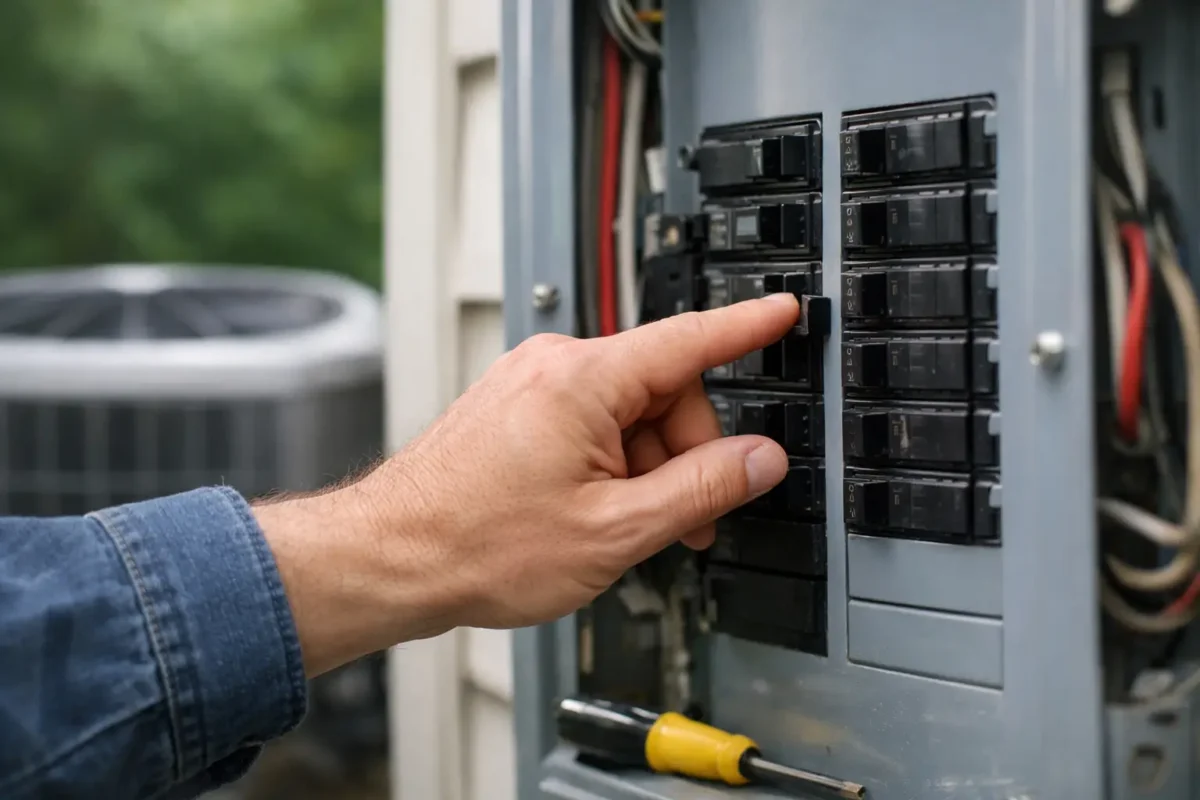
You do not need to take apart your furnace to complete a few helpful checks. Confirm the thermostat is on Heat with the fan set to Auto. Replace a dirty filter, make sure the furnace power switch is on, and check whether the circuit breaker has tripped.

Walk through the home and make sure supply vents and return grilles are open and unobstructed. If your furnace has an exterior intake or exhaust pipe, look from a safe distance for obvious snow or debris blockage. Do not insert tools or hands into the pipe.

Then observe one heating cycle. Does the furnace start but never ignite? Do you hear it ignite and then shut down? Does it heat briefly before turning cold? Those details help a technician diagnose the issue faster.

Do not repeatedly press the reset button, bypass safety switches, remove sealed panels, or try to repair gas valves and electrical components. A furnace safety shutdown is a signal to investigate, not an inconvenience to override.

When Cold Air Is an Emergency

Call for urgent HVAC service if your furnace will not heat during cold weather, especially if children, older adults, or vulnerable family members are in the home. You should also act immediately if you smell natural gas, suspect carbon monoxide, see soot near the furnace, or have a carbon monoxide alarm activate.

If you smell gas, do not operate switches, appliances, or phones inside the home. Leave the area, move to a safe location, and contact your gas utility or emergency services as directed. For a suspected carbon monoxide issue, get everyone outside and seek emergency assistance.

For a no-heat problem without those warning signs, a qualified residential HVAC team can inspect the furnace, explain the repair options clearly, and help you decide whether repair or replacement makes better long-term sense. Age, repair history, efficiency, and the condition of the heat exchanger all matter. An older unit with a minor sensor issue may be worth repairing, while a system with repeated failures and high energy use may justify an efficient upgrade.

Pro West Heating & Air Conditioning provides responsive furnace service for homeowners who need dependable heat restored without guesswork. A properly repaired and maintained furnace delivers more than warm air – it gives your household a safer, more comfortable place to come home to when temperatures drop.

Residential Heating and Cooling for Every Season

Residential heating and cooling services help Lower Mainland homeowners improve comfort, reduce energy costs, and respond quickly when equipment fails.

A furnace that starts making new noises on a cold night, an air conditioner that cannot keep up during a heat wave, or hot water that runs out halfway through a shower all point to the same issue: your home comfort system needs attention. Residential heating and cooling is not just about choosing equipment. It is about creating dependable, efficient comfort for your household through every season.

For homeowners across the Lower Mainland, the right solution depends on the home, the existing equipment, energy goals, and the budget for repairs or upgrades. A clear assessment helps you avoid replacing equipment too soon, while also preventing repeated repair costs on a system that is nearing the end of its useful life.

What Residential Heating and Cooling Covers

Your home comfort system is often more connected than it appears. Heating equipment, air conditioning, ventilation, thermostats, zoning controls, hot water systems, and indoor air quality all affect how your home feels and how much energy it uses.

A forced-air furnace moves warmed air through ductwork. A boiler heats water and circulates it through radiators, baseboards, or in-floor radiant heating. Air conditioners remove heat and humidity from indoor air, while heat pumps can provide both heating and cooling from one outdoor unit. Each system has strengths, but the best choice is the one that fits your home and daily needs.

For example, a heat pump can be an excellent year-round option for many homeowners who want efficient cooling along with lower-carbon heating. However, an older home with a boiler and radiant heat may be better served by maintaining or upgrading that system instead of undertaking a major ductwork conversion. There is no one-size-fits-all answer, and that is why an in-home evaluation matters.

The Signs Your System Needs Service

Many heating and cooling failures give homeowners warning signs before the equipment stops completely. Acting early can help protect your comfort, reduce the chance of emergency damage, and make repair decisions less stressful.

Call for professional service if you notice uneven temperatures between rooms, weak airflow, unusual banging or grinding sounds, frequent cycling, unexplained increases in energy bills, water around heating equipment, or a thermostat that does not seem to control the home accurately. A system that runs but cannot maintain the temperature you set also deserves attention.

With boilers and hot water equipment, watch for pressure issues, leaking valves, rusty water, fluctuating water temperatures, or a pilot light that will not stay lit. With furnaces, recurring ignition problems, burning smells, or a yellow burner flame instead of a steady blue flame should be addressed promptly. If you suspect a gas leak or carbon monoxide issue, leave the area and contact the appropriate emergency service immediately.

Not every issue requires a full replacement. A failed capacitor, dirty filter, worn igniter, blocked drain line, faulty thermostat, or refrigerant-related problem may be repairable. The value of a professional diagnosis is knowing what failed, why it failed, and whether repairing it is the sensible long-term choice.

Repair or Replace? Make the Decision With the Full Cost in Mind

A repair is often the right move when the equipment is relatively new, has been maintained, and needs a straightforward part replacement. It can restore reliable performance without the cost and disruption of installing a new system.

Replacement becomes more practical when breakdowns are frequent, repair costs are increasing, energy bills are high, or parts are becoming difficult to source. Age matters too. Furnaces, boilers, air conditioners, and water heaters do not all have identical service lives, but older equipment typically loses efficiency and becomes more expensive to maintain over time.

The lowest immediate price should not be the only factor. A less efficient replacement may cost less on installation day but provide fewer comfort improvements and higher operating costs for years. On the other hand, the highest-efficiency system is not automatically the best value if it is oversized, poorly matched to the home, or does not qualify for the incentives you expect.

A good estimate should explain equipment options in plain language, include installation requirements, and identify expected efficiency benefits. It should also account for details such as electrical capacity, duct condition, venting, drainage, controls, and whether your current setup can support a heat pump or other upgraded technology.

Better Comfort Starts With Proper Sizing

One of the most common residential heating and cooling mistakes is assuming bigger equipment will deliver better performance. Oversized equipment can heat or cool the home too quickly, then shut off before air is distributed evenly. This short cycling can increase wear, create temperature swings, and reduce humidity control during cooling season.

Undersized equipment has the opposite problem. It may run continuously during the coldest or hottest periods without reaching the desired indoor temperature. The goal is not maximum output. It is properly matched output based on the size and layout of the home, insulation levels, window exposure, air leakage, occupancy, and local weather conditions.

Installation quality is just as important as the equipment itself. A high-efficiency furnace cannot perform as intended with leaking ductwork, restricted airflow, or incorrect gas setup. A heat pump needs proper refrigerant charging, electrical work, drainage, and controls. A boiler needs correct piping, venting, and water pressure. Skilled installation protects both comfort and manufacturer warranty requirements.

Maintenance Helps Prevent the Worst Timing

Heating and cooling equipment tends to fail when it is working hardest. That means a furnace problem often appears during a cold stretch, while an air conditioning issue may surface during the first serious summer heat.

Regular maintenance gives a technician the chance to clean components, inspect safety controls, test performance, identify worn parts, and catch small concerns before they become inconvenient failures. It also helps maintain airflow, which is essential for both comfort and energy efficiency.

Homeowners can support system performance between service visits with a few simple habits. Replace or clean filters on schedule, keep outdoor heat pump and air conditioning units clear of leaves and debris, avoid blocking supply and return vents with furniture, and pay attention to changes in sound or performance. For homes with smart thermostats, review schedules periodically so the settings still match how the household uses the space.

Maintenance cannot guarantee that a component will never fail, but it can reduce avoidable problems and provide useful information about what to plan for next.

Efficiency Is About More Than the Equipment Label

Energy efficiency can lower utility costs, but it should also improve how your home feels. An efficient system that delivers even temperatures, quieter operation, and better humidity control adds value every day, not just when the bill arrives.

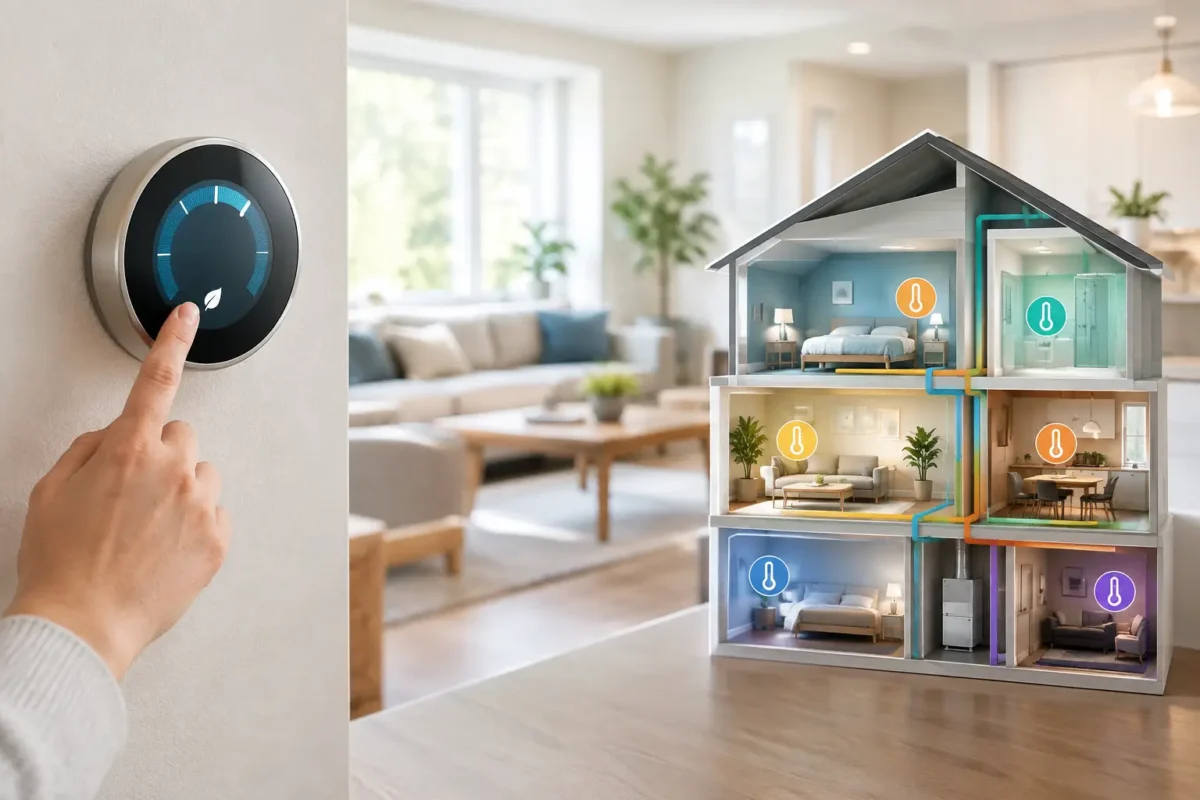
Start by addressing the biggest source of waste. In some homes, that is aging equipment. In others, it is duct leakage, poor insulation, an outdated thermostat, or rooms that are consistently over- or under-conditioned. Zoning systems can help households with different temperature preferences or multi-level layouts by directing heating and cooling where it is needed.

Rebate programs may make qualifying upgrades more affordable, especially for homeowners considering high-efficiency heating systems, heat pumps, or hot water improvements. Eligibility requirements can change, and equipment must typically meet specific performance standards. Reviewing available rebates before selecting a system can help you make a more informed investment rather than discovering potential savings after installation.

When 24/7 Service Matters

Some problems cannot wait for a convenient appointment. No heat during cold weather, no hot water for a household with young children or older adults, a major leak, or a system that repeatedly shuts down calls for a fast response.

Emergency service should still include clear communication. You need to know what caused the issue, what can be done immediately to restore safety or comfort, and what follow-up work may be required. A temporary repair can be appropriate in an emergency, but homeowners should understand whether it is a lasting solution or a short-term measure while replacement options are considered.

Pro West Heating & Air Conditioning provides full-service support for furnaces, boilers, air conditioners, heat pumps, hot water equipment, radiant heating, gas fireplaces, and home comfort controls. That broad experience matters when an issue involves more than one piece of equipment.

A comfortable home should not require constant troubleshooting. Whether you need a timely repair, seasonal maintenance, or guidance on an energy-efficient upgrade, start with a professional assessment that puts your household’s comfort, safety, and long-term costs first.

How to Choose Furnace Efficiency for Your Home

Learn how to choose furnace efficiency for your home, compare AFUE ratings, fuel costs, comfort needs, and rebates before you replace your system wisely.

A furnace replacement usually becomes urgent at the worst possible time: when your home is cold, your old system is unreliable, and you need answers quickly. Knowing how to choose furnace efficiency before that moment helps you make a decision based on long-term comfort and operating costs, not pressure. The highest efficiency rating is not automatically the best fit for every home. Your climate, fuel use, ductwork, budget, and existing venting all matter.

For homeowners, furnace efficiency comes down to a practical question: how much of the fuel you pay for is actually converted into heat inside your home? A qualified HVAC professional can assess your house and explain the options clearly, but understanding the fundamentals will help you compare estimates with confidence.

Start With the AFUE Rating

Furnace efficiency is measured by Annual Fuel Utilization Efficiency, or AFUE. This percentage estimates how much fuel a furnace converts into usable heat over a typical year. For example, an 80% AFUE furnace turns about 80 cents of every fuel dollar into heat, while the remaining amount is lost through exhaust gases and normal operation.

A 96% AFUE furnace converts about 96 cents of each dollar into heat. That difference may sound modest, but it can add up over many heating seasons, especially in homes with high winter gas use.

Most gas furnaces fall into three broad efficiency ranges:

  • Standard-efficiency furnaces are generally around 80% AFUE.
  • High-efficiency furnaces are commonly 90% to 96% AFUE.
  • Premium high-efficiency models may reach 97% AFUE or higher.

AFUE is a valuable comparison tool, but it does not predict your exact bill. Thermostat settings, insulation, air leaks, duct condition, home size, and how often the furnace runs all affect real-world energy use.

Compare the Upfront Cost With Long-Term Savings

A higher-AFUE furnace typically costs more to purchase and install. It may also require changes to venting, condensate drainage, electrical connections, or controls. The right decision is not simply choosing the most efficient unit on the spec sheet. It is deciding whether the additional installation cost makes sense for your home and how long you expect to stay there.

If you plan to remain in your home for many years, a high-efficiency furnace can be a strong investment. Lower fuel consumption can reduce monthly heating costs, and newer equipment may improve comfort and reliability compared with an aging unit.

If you expect to move soon, the calculation can be different. A properly sized, dependable mid-range system may meet your needs without paying for upgrades that may take longer to recover through energy savings. That said, a modern high-efficiency system can still be an attractive feature for future buyers.

Ask for a clear comparison between two suitable options, not every furnace available. An estimate should show the installed price, AFUE rating, expected installation requirements, warranty coverage, and any available rebate or incentive. This makes it easier to see the real difference in value.

Consider Your Climate and Fuel Costs

Local weather shapes furnace performance and savings. In areas with long, cold winters, the jump from 80% to 95% or higher AFUE can have a more noticeable impact on seasonal fuel use. In milder winter climates, the payback period may be longer because the furnace operates fewer hours each year.

Fuel rates matter just as much. When natural gas costs rise, greater efficiency becomes more valuable. Your past utility bills can give an HVAC contractor useful information, particularly when compared with your home’s size, insulation level, and the age of your existing furnace.

Do not rely on a simple online savings calculator alone. These tools often assume average weather, fuel pricing, and operating habits that may not reflect your household. A home with poor attic insulation or major duct leaks can lose much of the benefit of a high-efficiency furnace until those issues are addressed.

Understand What High-Efficiency Installation Requires

High-efficiency gas furnaces are also called condensing furnaces. They capture additional heat from exhaust gases, which is how they achieve AFUE ratings above 90%. Because the exhaust is cooler, these systems often vent through approved plastic piping rather than a conventional metal chimney.

This is a benefit, but it also means installation details matter. The contractor must plan the intake and exhaust piping correctly, provide a proper condensate drain, and confirm that the chosen furnace works with your home’s layout. A low installation price is not a bargain if venting, drainage, or commissioning is handled poorly.

An 80% furnace generally uses a metal flue and may be simpler to install when a suitable chimney or vent already exists. In some homes, that lower installation complexity can narrow the financial advantage of moving to a very high-AFUE model. In other homes, replacing an old venting system makes high-efficiency equipment the more sensible path.

This is why an in-home assessment matters. The equipment and the installation are one comfort system, not two separate purchases.

Do Not Confuse Efficiency With Furnace Size

A furnace can have an excellent AFUE rating and still waste energy if it is oversized. An oversized unit heats the home too quickly, shuts off, and starts again repeatedly. This short cycling can create uneven temperatures, increase wear on components, and reduce the comfort you expected from a new system.

A professional should perform a heat-loss calculation rather than selecting capacity based only on the size of your old furnace or the square footage of the house. Insulation, windows, ceiling height, air leakage, sun exposure, and room layout all affect the heating load.

Right-sizing is especially important when you have improved insulation, replaced windows, finished a basement, or made additions since the prior furnace was installed. Your old system may no longer represent what your home needs.

Look Beyond AFUE for Better Daily Comfort

AFUE measures fuel efficiency, but it does not tell the full comfort story. The furnace’s blower motor, heating stages, and controls can make a meaningful difference in how your home feels.

A single-stage furnace runs at full output whenever it turns on. It is often a practical, lower-cost choice for smaller budgets or straightforward heating needs. A two-stage furnace can operate at a lower output during milder weather and increase capacity when temperatures drop. This can support steadier indoor temperatures and quieter operation.

Modulating furnaces make smaller, ongoing adjustments to match heating demand. Paired with compatible controls and properly designed ductwork, they can offer very consistent comfort. They also cost more, so the value depends on your priorities, your home’s layout, and how sensitive your household is to temperature swings.

Variable-speed blower motors are another feature worth considering. They can move air more gradually, reduce noise, improve circulation, and support better airflow with air conditioning or a heat pump. These features do not replace good insulation or ductwork, but they can make a well-designed system feel noticeably better.

Check Ductwork, Airflow, and Ventilation First

A new furnace cannot fully solve comfort problems caused by leaking, undersized, or poorly balanced ducts. Rooms that are always cold, noisy registers, weak airflow, and large temperature differences between floors are signs that the distribution system needs attention.

Before choosing a furnace, ask whether the installer will evaluate static pressure, duct condition, filter access, return-air capacity, and airflow to key rooms. This is especially important when upgrading to a variable-speed or two-stage system. The equipment must be matched to the duct system for the best results.

Combustion safety also deserves attention. A gas furnace should be installed with proper venting, gas connections, drainage, and carbon monoxide protection. Licensed installation and thorough startup testing protect both efficiency and household safety.

Factor in Rebates, Warranties, and Maintenance

Available rebates can change the economics of a high-efficiency upgrade. Incentives often have specific requirements related to AFUE ratings, model eligibility, installation standards, and documentation. Confirm the requirements before buying, not after the furnace is installed.

Warranty terms should be compared carefully as well. Look at both the parts warranty and heat exchanger coverage, then ask what registration is required and what labor coverage is included. A long parts warranty is helpful, but regular maintenance remains essential for reliable performance.

Annual service helps keep filters, burners, condensate lines, electrical connections, and safety controls in proper condition. It also gives you a chance to catch small concerns before they become a no-heat emergency.

How to Choose Furnace Efficiency With Confidence

The best furnace is the one that is properly sized, correctly installed, affordable to operate, and matched to your home’s real heating needs. For many homeowners, a high-efficiency furnace offers worthwhile energy savings and better comfort. For others, installation constraints, budget, or expected length of ownership can make a different option more practical.

A detailed in-home assessment gives you a stronger basis for the decision than a quick quote over the phone. Pro West Heating & Air Conditioning can evaluate your current system, explain efficiency options without unnecessary jargon, and help you weigh available rebates against your long-term comfort goals. A furnace should do more than turn on when it is cold. It should give your household dependable warmth and predictable energy use for years ahead.

Why Is Hot Water Inconsistent in Your Home?

Why is hot water inconsistent? Learn the common causes, from water heaters and mixing valves to plumbing demand, and know when to schedule service now.

A shower that turns lukewarm halfway through is more than a frustrating start to the day. If you are asking, “why is hot water inconsistent,” the answer can range from a simple fixture issue to a water heater that is no longer keeping up with your household. The pattern matters: Does the temperature change at one faucet, throughout the home, only during busy mornings, or without warning?

Consistent hot water depends on several components working together. Your water heater must produce and store or heat enough water, the plumbing must deliver it without excessive heat loss, and fixtures must mix hot and cold water correctly. Finding the source early can prevent cold showers, water damage, and an inconvenient no-hot-water emergency.

Why Is Hot Water Inconsistent? Start With the Pattern

Before assuming the water heater is failing, pay attention to when and where the problem happens. If one shower is affected but sinks and other showers are fine, the issue may be inside that shower valve or cartridge. If every fixture runs hot for a few minutes and then goes cold, the water heater or its fuel, power, or heating components are more likely involved.

A drop in temperature whenever someone flushes a toilet, starts the dishwasher, or runs a washing machine points to pressure or mixing changes. In older homes, a sudden demand for cold water can reduce hot water flow at the shower. Modern pressure-balancing or thermostatic shower valves are designed to limit this problem, but they can wear out or become clogged over time.

The age of the system is also useful information. A conventional tank water heater commonly lasts eight to 12 years, although water quality, maintenance, and usage can shorten that range. Tankless systems often last longer, but they still need regular descaling and proper sizing to provide dependable performance.

Common Water Heater Causes

The Tank Is Too Small for Household Demand

A tank water heater has a fixed supply of hot water. Once that supply is used, it needs time to recover. If several people shower back-to-back, or appliances run at the same time, a properly working but undersized tank can feel inconsistent.

This is especially common after a household grows, a new soaking tub is installed, or a home’s water-use habits change. The practical solution may be as simple as staggering high-demand activities. If the issue is frequent, a professional can calculate your household’s peak demand and recommend a correctly sized tank or tankless upgrade.

Sediment Has Reduced Tank Capacity

Minerals in the water settle at the bottom of a storage tank. Over time, this sediment layer takes up space and makes heat transfer less efficient. You may notice less available hot water, longer recovery times, popping or rumbling sounds, or higher energy bills.

Sediment is not always visible from the outside, and flushing a neglected tank is not always the right do-it-yourself project. On an older unit, disturbing heavy buildup can expose an existing weak point. A technician can assess the tank’s condition and advise whether maintenance is worthwhile or replacement is the better investment.

A Heating Element or Burner Is Not Working Properly

Electric water heaters typically use two heating elements. When one fails, the unit may still produce some hot water, but not enough for normal use. The result is often a short burst of hot water followed by lukewarm water.

Gas water heaters can develop burner, pilot, ignition, venting, or gas supply problems. If you smell gas, see soot, notice a yellow burner flame instead of a steady blue flame, or suspect a venting issue, stop using the appliance and arrange professional service right away. Combustion-related repairs should not be delayed.

The Thermostat Setting Is Wrong or Unstable

A thermostat set too low may not provide enough usable hot water. A thermostat that is inaccurate or failing can create temperature swings. Most homes benefit from a water heater setting around 120 degrees Fahrenheit, balancing comfort, energy use, and scald protection.

Avoid turning the temperature up repeatedly to compensate for a performance problem. Water that is too hot can cause serious burns, especially for children and older adults. A qualified technician can test the controls and identify whether the issue is a setting, a failed part, or another problem within the system.

Plumbing and Fixture Problems That Mimic a Bad Water Heater

Not every inconsistent hot water complaint starts at the heater. A worn shower cartridge can fail to maintain the intended hot-to-cold mix. Mineral buildup inside the valve can restrict flow. In some cases, a faulty single-handle faucet allows cold water to cross over into the hot water line, affecting other fixtures in the home.

A mixing valve near the water heater can also be responsible. These valves blend very hot water from the tank with cold water before it reaches the fixtures, helping reduce scald risk. When a mixing valve sticks or fails, the water may be too cool, too hot, or unpredictable.

Long pipe runs create another, less serious concern. In a large home, hot water may take longer to reach a distant bathroom or kitchen. That is different from water turning cold during use. A hot water recirculation system can improve wait times, but it should be designed carefully because constant recirculation can increase energy use if it is not controlled properly.

Tankless Water Heater Issues

Tankless water heaters heat water on demand, so they do not run out of stored hot water in the usual way. However, they can still deliver inconsistent temperatures when the unit is undersized, poorly maintained, or operating outside its capacity.

Cold incoming water requires more heating power. During colder months, a tankless unit may produce fewer gallons per minute than it does during warmer weather. If two showers, a dishwasher, and a laundry cycle run at once, the unit may not be able to meet the combined demand.

Scale buildup inside the heat exchanger is another common cause. In areas with mineral-rich water, annual flushing is often needed to protect efficiency and performance. A tankless system can be an excellent long-term option, but only when it is sized for the home’s actual flow requirements and maintained according to the manufacturer’s guidelines.

What You Can Check Safely Before Calling for Service

Start by checking whether the issue affects one fixture or the entire house. Then note whether the temperature changes during high water use, such as flushing a toilet or starting an appliance. This information helps narrow the diagnosis quickly.

For a tank water heater, look around the base for water, corrosion, or signs of leaking. Check that the area is clear and that no one has changed the temperature setting. For an electric unit, confirm the breaker has not tripped. For a gas unit, look for an error code if your model has a display, but do not remove access panels or attempt gas-line repairs.

It also helps to consider the system’s age and service history. A heater that has never been flushed or inspected may have a maintenance issue. A unit near the end of its expected lifespan may be better replaced before it fails completely, particularly if it is already producing unreliable hot water or showing signs of leakage.

When Inconsistent Hot Water Needs Professional Attention

Schedule service promptly if the water alternates between hot and cold throughout the house, there is visible leaking, the unit makes unusual noises, or you see rusty water from hot taps. A sudden loss of hot water, repeated breaker trips, gas odors, or signs of poor combustion warrant urgent attention.

A professional diagnosis is valuable because the right fix depends on the cause. Replacing a shower cartridge will not solve a failing heating element. Increasing a thermostat setting will not correct a sediment-filled tank or an undersized system. The goal is not simply hotter water for a day, but safe, steady performance that matches how your household uses it.

If inconsistent hot water is becoming part of your routine, treat it as a comfort and efficiency signal rather than something to work around. A qualified home comfort technician can identify whether a targeted repair, maintenance visit, or properly sized replacement will give your household dependable hot water again.

Heat Pump Versus Boiler: Which Fits Your Home?

Heat pump versus boiler: compare comfort, operating costs, installation, and hot water needs to choose the right heating system for your home this winter.

A heat pump versus boiler decision is not simply about choosing the newest equipment. It is about how your home is built, how you like it to feel on a cold morning, what heating system is already in place, and what a practical upgrade will cost over time. For homeowners in Metro Vancouver and the Lower Mainland, both can be excellent solutions. The right answer depends on your home and priorities.

A heat pump can provide efficient heating and air conditioning from one system. A boiler delivers steady, quiet heat through radiators, baseboards, or in-floor tubing, and may also support your home’s hot water. Comparing the two starts with understanding what each system does best.

Heat Pump Versus Boiler: The Core Difference

A heat pump moves heat rather than creating it through combustion. In heating mode, it draws available heat from outdoor air and transfers it indoors. In cooling mode, it reverses that process to remove heat from your home. Modern cold-climate heat pumps are designed to operate efficiently in cool weather, making them a strong option for the relatively moderate winters common across much of the Lower Mainland.

A boiler heats water, typically using natural gas, electricity, or another fuel source. That hot water travels through a hydronic system, such as radiant in-floor loops, radiators, or baseboard units. Boilers are valued for even, comfortable heat and can be paired with indirect water heaters for domestic hot water.

The key distinction is simple: a heat pump is usually an all-season heating and cooling system, while a boiler is a dedicated hydronic heating system. A boiler does not provide air conditioning on its own.

When a Heat Pump Is the Better Choice

A heat pump is often the most appealing choice for homeowners who want both heating and cooling without maintaining separate systems. If your home currently relies on electric baseboards, an older furnace, or an aging air conditioner, a heat pump upgrade can improve year-round comfort while reducing energy use.

You want heating and cooling in one system

Summer comfort matters. Heat waves are no longer unusual in the Lower Mainland, and many homes that were built without air conditioning now need it. A ducted central heat pump can work with existing ductwork, while ductless mini-split systems can heat and cool specific rooms or areas without major renovations.

This dual purpose can make a heat pump especially valuable in homes that would otherwise need both a heating replacement and a new air conditioning system.

Your home does not have a hydronic system

Installing a boiler in a home without radiators, baseboards, or radiant tubing can be a major project. It may require opening walls and floors to install piping and heat emitters. In that situation, a heat pump is often the more straightforward path to efficient heating.

A ductless heat pump can be particularly practical for additions, suites, older homes, and homes where adding ductwork is not realistic. The indoor units provide zoned comfort, so you can avoid heating or cooling empty rooms as heavily.

You want to lower electricity use from resistance heat

Electric baseboards create heat directly from electricity. A heat pump transfers heat, so it can deliver more heating energy than the electricity it consumes under the right conditions. For homeowners replacing electric resistance heating, that efficiency difference can be significant.

Actual savings depend on your electricity rates, insulation, thermostat settings, equipment size, and how the system is used. A professional load calculation is more reliable than choosing a system based on square footage alone.

When a Boiler Is the Better Choice

A boiler remains an outstanding heating option, especially in homes already designed around hydronic heat. Replacing a reliable boiler system with a heat pump just because heat pumps are popular can create unnecessary expense and compromise the comfort you already enjoy.

You have radiant floors or radiators you love

Radiant heating delivers warmth from the floor upward, while radiators and hydronic baseboards provide gentle, consistent heat without the sound or airflow of a forced-air system. Many homeowners prefer this comfort, particularly in bedrooms, bathrooms, and open living areas.

If your existing piping and heat emitters are in good condition, installing a high-efficiency boiler can preserve that comfort while improving performance. It is usually far less disruptive than converting an entire home to a different distribution system.

You need dependable hot water integration

A boiler can be designed to support space heating and domestic hot water through an indirect tank. This setup can provide strong hot water recovery for households with multiple bathrooms, frequent showers, or high demand at the same time of day.

A standard air-source heat pump generally does not replace a boiler’s role in a hydronic heating system. Heat pump water heaters are available, but they are a separate product with different installation requirements. Homeowners should compare the heating system and hot water system together, not as isolated purchases.

You prefer a familiar, focused heating system

For a home that does not need central cooling, a boiler can be a clear, durable choice. Modern condensing boilers are compact and highly efficient when properly sized, installed, and maintained. They also work well with zoning, allowing different areas of the home to be controlled independently.

Comfort, Noise, and Air Quality

The type of comfort you want should carry real weight in this decision. A boiler provides radiant or convective heat with very little air movement. That can feel calm and even, especially when paired with radiant floors. It also does not circulate air through ductwork, which some homeowners prefer.

A heat pump supplies warm air through ducts or indoor wall units. It is not the same sensation as a warm floor, but it offers fast temperature adjustment and cooling in summer. With the right equipment and installation, it can operate quietly. Proper placement of outdoor units and indoor heads matters, particularly near bedrooms and patios.

Neither option automatically solves indoor air quality concerns. Ducted heat pump systems can use filtration and may be paired with air quality accessories. Hydronic homes can improve ventilation and air quality with dedicated solutions. The best approach is to look at the home as a complete comfort system.

Installation Cost and Long-Term Value

Upfront cost varies widely because the equipment is only one part of the job. A heat pump installation may involve electrical upgrades, new ductwork, refrigerant lines, indoor air handlers, or multiple ductless heads. A boiler replacement may require venting changes, circulator pumps, zone controls, piping repairs, and an indirect hot water tank.

The least expensive quote is not always the best value. Correct sizing, quality workmanship, safe venting, clean piping practices, controls setup, and warranty support all affect whether a system performs as expected.

Energy rebates may be available for qualifying high-efficiency upgrades, but programs, eligibility rules, and funding levels can change. Check requirements before purchasing equipment, and make sure the proposed model and installation meet the applicable standards. Rebate guidance can help turn a confusing upgrade into a more manageable investment.

Do Not Ignore Cold-Weather Performance

Modern heat pumps can heat effectively in cold weather, but capacity and efficiency change as outdoor temperatures drop. Some homes benefit from a dual-fuel setup or supplemental heat source for the coldest periods. The right design depends on the equipment, your home’s heat loss, and your desired backup plan.

Boilers are less affected by outdoor temperature in this way, provided the system is properly maintained and has a dependable fuel supply. That predictability is one reason hydronic heating remains popular in larger homes and homes with existing radiant systems.

A contractor should assess insulation, windows, air leakage, duct condition, existing equipment, electrical capacity, and your hot water needs before recommending either option. Replacing equipment without addressing a poorly insulated or drafty home can limit the benefit of any upgrade.

Can You Combine a Heat Pump and Boiler?

Yes. In some homes, the best answer is not heat pump or boiler, but both. A heat pump can handle efficient heating and cooling for the main living areas, while a boiler continues to serve radiant floors, specialty zones, or high-demand hot water needs.

This approach is especially useful during renovations or phased upgrades. For example, a homeowner may keep a well-functioning radiant system while adding a ductless heat pump for cooling upstairs bedrooms. It can deliver better summer comfort without removing an existing heating system that still serves the home well.

The right heating upgrade should make your home more comfortable, not more complicated. Whether that means a high-efficiency boiler, a heat pump, or a carefully planned combination, an in-home assessment gives you a clear path forward based on your home’s real needs.

Best Energy Efficient HVAC System for Homes

Find the best energy efficient HVAC system for home. Compare heat pumps, furnaces, and smart controls for lower bills and year-round comfort.

A high utility bill is often the first warning that a heating and cooling system is costing more than it should. The best energy efficient HVAC system is not automatically the model with the highest rating or the lowest advertised operating cost. It is the system sized correctly for your home, suited to the local climate, and installed with the ductwork, controls, and maintenance it needs to perform.

For homeowners replacing aging equipment, the goal is simple: dependable comfort in every season without paying to heat, cool, or ventilate the outdoors. The right answer may be a heat pump, a high-efficiency furnace, a boiler upgrade, or a combined approach. Your home’s layout, insulation, existing equipment, and hot water needs all matter.

What Makes an HVAC System Energy Efficient?

Efficiency begins with how much energy a system uses to produce heating or cooling. Furnaces are measured by Annual Fuel Utilization Efficiency, or AFUE. A 96% AFUE furnace converts roughly 96 cents of every fuel dollar into usable heat, while the remainder is lost through the venting process.

Air conditioners and heat pumps use seasonal efficiency ratings. Higher ratings generally mean lower electricity use over a typical season, but the equipment has to be matched to the home. An oversized unit may start and stop too often, leaving rooms uneven and adding unnecessary wear. An undersized system can run continuously on extreme days and still struggle to keep up.

The equipment itself is only one part of the picture. Leaky ducts, poor airflow, an aging thermostat, and inadequate insulation can erase much of the benefit of a new high-efficiency system. A professional in-home assessment should look at the full comfort system, not just the unit being replaced.

Best Energy Efficient HVAC System Options

Cold-climate heat pumps for all-electric comfort

For many homes, a modern cold-climate heat pump is the leading choice for efficient year-round heating and cooling. Rather than creating heat by burning fuel, it moves heat between your home and the outdoor air. In summer, it works like an air conditioner. In winter, advanced models can continue extracting heat from outdoor air at low temperatures.

A heat pump is especially appealing when an older air conditioner and heating system are both due for replacement. One system can handle both jobs, reduce reliance on fossil fuels, and provide steady, even comfort. Variable-speed heat pumps can make small output adjustments instead of running at full power every time they start, which helps control temperature swings and humidity.

There are trade-offs. Electrical capacity may need to be evaluated, and some homes benefit from supplemental heat during the coldest weather. In homes with existing ducts, a ducted heat pump can often use that distribution system if it is in good condition. Homes without ducts may be better served by ductless mini-splits or a different heating strategy.

Dual-fuel systems for flexible performance

A dual-fuel system pairs an electric heat pump with a high-efficiency gas furnace. The heat pump handles heating through milder weather and provides summer cooling. When outdoor temperatures fall to a point where gas heat is more practical or cost-effective, the furnace takes over.

This option gives homeowners dependable backup heat while lowering energy use for much of the year. It can be an excellent fit for homes that already have natural gas service and ductwork, especially when replacing both a furnace and an air conditioner.

The best setup depends on local utility rates, equipment efficiency, and household comfort preferences. A properly configured thermostat determines when the system switches sources. Without thoughtful setup, a dual-fuel system may not deliver the savings it is capable of producing.

High-efficiency gas furnaces for reliable heating

A high-efficiency condensing gas furnace remains a strong option for homeowners who want powerful, familiar heat and already use central air conditioning. Models with AFUE ratings in the mid-90s or higher capture additional heat from the exhaust that older furnaces waste.

Look beyond the AFUE number. A variable-speed blower can improve airflow, reduce electrical use, and support better filtration. Two-stage or modulating burners can run at lower levels for longer periods, maintaining a more consistent indoor temperature than a single-stage furnace that repeatedly cycles on and off.

A furnace-only replacement may make sense when your air conditioner is still relatively new or when your home has specific heating demands. If both systems are near the end of their service life, comparing a furnace and AC combination with a heat pump or dual-fuel option is worth the extra conversation.

High-efficiency boilers and radiant heating

Homes with hydronic heating should not assume forced air is the only path to efficiency. A high-efficiency boiler can be an excellent upgrade for homes with radiators, baseboards, or in-floor radiant heating. Radiant systems offer quiet operation and comfortable, even warmth, particularly in homes with well-designed zones.

Condensing boilers can operate at very high efficiencies when the system is designed for lower water temperatures. Zoning controls allow different areas of the home to be heated based on how they are used, avoiding the cost of heating unused rooms at the same level as occupied spaces.

Boiler replacement requires careful system design. The condition of the pipes, emitters, circulators, and controls all affects results. A boiler should be selected around the home’s actual heat loss, not simply matched to the capacity of the old unit.

The System Size Matters as Much as the Model

The biggest equipment is rarely the best equipment. Oversizing is common when contractors rely on rule-of-thumb sizing or copy the capacity of an existing system. Older equipment may have been oversized from day one, while improvements such as new windows, insulation, or air sealing may have reduced your home’s heating and cooling load.

A proper load calculation considers square footage, ceiling height, window area, insulation levels, orientation, occupancy, and local weather conditions. It provides a reliable basis for selecting capacity and helps identify whether certain rooms need zoning, duct repairs, or airflow improvements.

This is where a lower-rated system that is designed and installed correctly can outperform a higher-rated unit installed as a quick swap. Homeowners should expect clear explanations of equipment size, expected performance, and any recommended electrical or ductwork upgrades before approving an installation.

Don’t Overlook Controls, Ducts, and Maintenance

Smart thermostats can support lower energy use, but they are not magic. They work best when schedules match how your household actually lives. Setting back temperatures when everyone is asleep or away can help, though heat pumps and radiant systems often benefit from smaller, steadier adjustments rather than dramatic setbacks.

Ductwork deserves equal attention. Poorly sealed or poorly balanced ducts can waste conditioned air and create persistent hot or cold rooms. During a replacement project, inspect the ducts for leaks, restrictions, weak insulation, and sizing issues. In some homes, duct improvements make comfort gains that a new unit alone cannot deliver.

Maintenance protects the efficiency you paid for. Replace filters on schedule, keep outdoor equipment clear of leaves and debris, and arrange professional service before peak heating or cooling season. A technician can verify refrigerant performance, combustion safety, drainage, airflow, and controls before a minor issue becomes an emergency repair.

How to Choose With Confidence

Start with the problem you want to solve. If summer rooms are humid and winter bills are climbing, a variable-speed heat pump may be worth serious consideration. If you value gas heat during cold weather but want lower electric cooling costs, a dual-fuel system may fit better. If your home uses hydronic heat, evaluate modern boiler and zoning options before changing the entire distribution method.

Then compare total value, not just the installation price. Include expected operating costs, remaining life of related equipment, needed electrical or ductwork work, maintenance needs, available incentives, and warranty coverage. The lowest initial quote can become the more expensive choice if it leaves airflow problems, poor sizing, or aging components untouched.

A qualified residential HVAC contractor should explain the options in plain language, provide a detailed estimate, and help you understand which upgrades will make a measurable difference in your home. Pro West Heating & Air Conditioning can assess your existing comfort system and recommend an efficient solution built around your home, not a one-size-fits-all sales pitch.

The right HVAC upgrade should feel less noticeable, not more. Your rooms should stay comfortable, your system should operate quietly and reliably, and your energy costs should make more sense season after season.

Tankless Versus Tank Water Heater Compared

Compare a tankless versus tank water heater for cost, comfort, energy use, and installation needs, then choose the right fit for your home with clear advice.

A water heater rarely gets much attention until the shower turns cold, the utility bill climbs, or a leak appears around the base of the tank. When replacement time arrives, the tankless versus tank water heater decision can affect your family’s comfort, your available space, and your long-term energy costs for years to come.

There is no single winner for every household. A tankless unit can provide hot water on demand and free up valuable floor space. A traditional storage tank often costs less to install and can be the practical choice for many homes. The right answer comes down to how your household uses hot water, the condition of your existing equipment, and what your home can support.

Tankless Versus Tank Water Heater: The Core Difference

A traditional tank water heater stores a set amount of heated water, commonly 40 to 75 gallons. It keeps that water warm until someone opens a hot-water tap. As hot water leaves the tank, cold water enters and is heated for the next use.

A tankless water heater heats water only when you need it. When a shower, faucet, dishwasher, or washing machine calls for hot water, the unit’s heat exchanger warms the water as it passes through. Because there is no storage tank to empty, a properly sized tankless system can deliver hot water continuously.

That distinction matters most during busy parts of the day. A large family may run into the limits of a standard tank when several people shower back-to-back or when laundry and dishes are running at the same time. A tankless system avoids a depleted tank, but it still has a maximum flow rate. If demand exceeds that capacity, water temperature can drop.

Upfront Cost and Installation Requirements

For homeowners focused on the initial budget, a standard tank water heater is usually the less expensive option. Replacing a similar tank in an existing location is often straightforward, especially when the gas line, venting, electrical supply, and plumbing are already in place.

Tankless installation can require more planning. Gas-fired models may need a larger gas line because they draw more fuel while operating. They may also require new venting, electrical upgrades, condensate drainage, or a different installation location. Electric tankless systems can demand substantial electrical capacity, which is not available in every home without an upgrade.

Those added requirements can make a tankless installation cost more upfront. However, the higher price is not automatically a reason to rule it out. If space is tight, hot-water demand is high, or you expect to stay in the home for many years, the investment may make sense.

A qualified in-home assessment is the best way to avoid surprises. The installer should inspect your current fuel source, venting path, incoming water temperature, household demand, and installation space before recommending equipment.

Energy Efficiency and Operating Costs

Tankless water heaters are generally more efficient because they do not repeatedly heat and reheat stored water. This standby heat loss is a normal part of owning a traditional tank. For homes with moderate hot-water use, a high-efficiency tankless model can reduce energy waste over time.

Still, efficiency is not just about the equipment label. The difference in monthly savings depends on local utility rates, fuel type, household habits, and the efficiency of the unit being replaced. Replacing an older, poorly performing tank with a newer efficient tank may also produce worthwhile savings.

For a family that uses a lot of hot water every day, a tankless system often offers a stronger long-term efficiency case. For a smaller household with limited use and a tight replacement budget, a quality storage tank can deliver dependable performance without the higher installation cost.

If you are considering an energy-efficient upgrade, ask about available utility incentives or rebate programs. Eligibility can depend on the exact model, fuel type, and installation details, so it is worth confirming requirements before work begins.

Comfort: Hot Water When Your Home Needs It

The most noticeable benefit of a tankless unit is the potential for continuous hot water. This is especially appealing in homes with multiple bathrooms, growing families, large soaking tubs, or frequent guests. Nobody wants to schedule showers around a water heater recovery time.

But “endless hot water” should be understood correctly. Tankless equipment must be sized to meet the number of fixtures that may operate at once. A unit that works well for one shower and a kitchen faucet may struggle if two showers, a dishwasher, and a washing machine start at the same time.

Cold incoming water can also affect performance. In colder climates, the unit has to raise the temperature of incoming water by a greater amount. A professional will calculate the required flow rate and temperature rise rather than choosing a unit based only on the number of bathrooms in the house.

Traditional tanks have a different comfort profile. They can provide a strong initial volume of hot water, but once the stored supply is used, you must wait for the tank to recover. Choosing the right tank capacity helps, but it does not eliminate that limit.

Space, Lifespan, and Maintenance

Tankless water heaters are compact and usually wall-mounted. That can reclaim closet, utility-room, or basement floor space. It also makes them a strong option for smaller homes, condos, and renovation projects where every square foot matters.

Traditional tanks require a dedicated footprint and enough clearance for service and replacement. They are simple, familiar, and widely available, but a leaking tank can cause significant water damage if it fails unnoticed. Checking the area around a tank periodically is a smart habit.

Tankless units typically have a longer service life than standard storage tanks when they are installed correctly and maintained consistently. However, they are not maintenance-free. Mineral buildup can reduce performance, particularly in areas with hard water. Annual flushing or descaling may be recommended to protect the heat exchanger and maintain efficiency.

Tank water heaters also benefit from maintenance, including periodic flushing to reduce sediment buildup and checking safety components. Skipping maintenance can shorten the life of either system and lead to higher operating costs or unexpected repairs.

When a Tankless Water Heater Makes Sense

A tankless system is often a strong fit when your home has high or unpredictable hot-water demand, limited installation space, and the utility connections needed to support it. It is also worth considering when you are planning a long-term upgrade and want lower standby energy loss.

It can be especially useful for households that regularly experience cold showers after consecutive uses. In some larger homes, two tankless units or a carefully designed system may be needed to serve separate areas without compromising performance.

When a Traditional Tank Is the Better Choice

A traditional tank remains a reliable, cost-effective choice for many homeowners. It may be the better option when you need a quick replacement, your budget is limited, or your current home infrastructure would require major changes for tankless installation.

A properly sized high-efficiency tank can meet the needs of many families comfortably. It is not an outdated compromise. It is a proven hot-water solution with predictable installation costs and straightforward service requirements.

How to Make the Right Choice for Your Home

Start with your real daily habits, not just the size of the water heater you currently own. Consider how many people live in the home, how often showers overlap, whether you use large tubs, and whether appliances regularly run during peak morning or evening hours.

Then look beyond equipment price. A complete recommendation should account for installation changes, fuel availability, venting, electrical capacity, expected maintenance, warranty coverage, and potential energy savings. The least expensive unit today is not always the most economical choice over its service life.

For homeowners who want clear answers before committing, Pro West Heating & Air Conditioning can assess your hot-water needs and explain the practical options for your home. The goal is not to sell the most complicated system. It is to install equipment that delivers reliable hot water without unnecessary cost or disruption.

The best water heater is the one that keeps pace with your household on its busiest morning, fits your home properly, and gives you confidence that hot water will be there when you turn the handle.