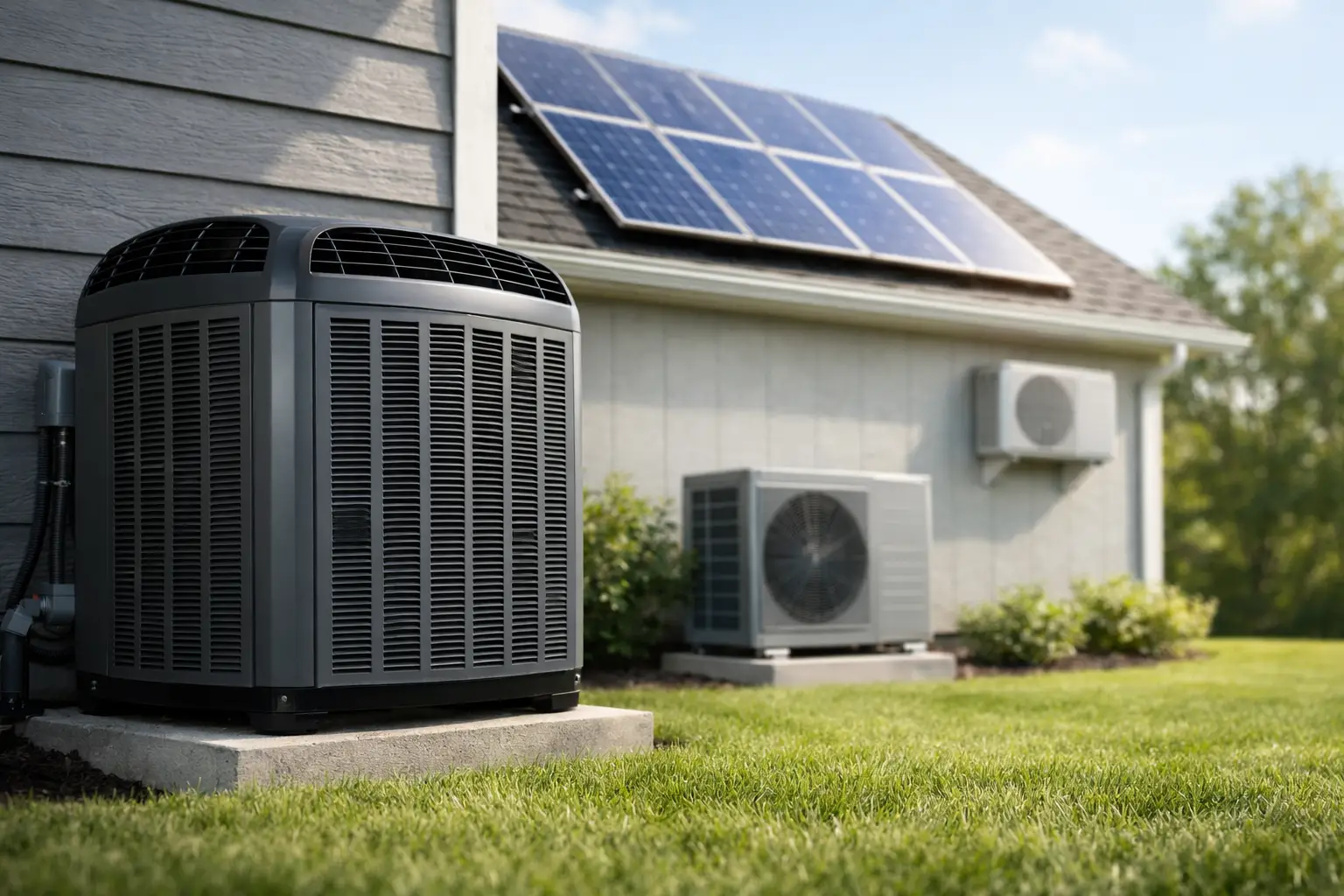
A high utility bill is often the first warning that a heating and cooling system is costing more than it should. The best energy efficient HVAC system is not automatically the model with the highest rating or the lowest advertised operating cost. It is the system sized correctly for your home, suited to the local climate, and installed with the ductwork, controls, and maintenance it needs to perform.
For homeowners replacing aging equipment, the goal is simple: dependable comfort in every season without paying to heat, cool, or ventilate the outdoors. The right answer may be a heat pump, a high-efficiency furnace, a boiler upgrade, or a combined approach. Your home’s layout, insulation, existing equipment, and hot water needs all matter.
What Makes an HVAC System Energy Efficient?
Efficiency begins with how much energy a system uses to produce heating or cooling. Furnaces are measured by Annual Fuel Utilization Efficiency, or AFUE. A 96% AFUE furnace converts roughly 96 cents of every fuel dollar into usable heat, while the remainder is lost through the venting process.
Air conditioners and heat pumps use seasonal efficiency ratings. Higher ratings generally mean lower electricity use over a typical season, but the equipment has to be matched to the home. An oversized unit may start and stop too often, leaving rooms uneven and adding unnecessary wear. An undersized system can run continuously on extreme days and still struggle to keep up.
The equipment itself is only one part of the picture. Leaky ducts, poor airflow, an aging thermostat, and inadequate insulation can erase much of the benefit of a new high-efficiency system. A professional in-home assessment should look at the full comfort system, not just the unit being replaced.
Best Energy Efficient HVAC System Options
Cold-climate heat pumps for all-electric comfort
For many homes, a modern cold-climate heat pump is the leading choice for efficient year-round heating and cooling. Rather than creating heat by burning fuel, it moves heat between your home and the outdoor air. In summer, it works like an air conditioner. In winter, advanced models can continue extracting heat from outdoor air at low temperatures.
A heat pump is especially appealing when an older air conditioner and heating system are both due for replacement. One system can handle both jobs, reduce reliance on fossil fuels, and provide steady, even comfort. Variable-speed heat pumps can make small output adjustments instead of running at full power every time they start, which helps control temperature swings and humidity.
There are trade-offs. Electrical capacity may need to be evaluated, and some homes benefit from supplemental heat during the coldest weather. In homes with existing ducts, a ducted heat pump can often use that distribution system if it is in good condition. Homes without ducts may be better served by ductless mini-splits or a different heating strategy.
Dual-fuel systems for flexible performance
A dual-fuel system pairs an electric heat pump with a high-efficiency gas furnace. The heat pump handles heating through milder weather and provides summer cooling. When outdoor temperatures fall to a point where gas heat is more practical or cost-effective, the furnace takes over.
This option gives homeowners dependable backup heat while lowering energy use for much of the year. It can be an excellent fit for homes that already have natural gas service and ductwork, especially when replacing both a furnace and an air conditioner.
The best setup depends on local utility rates, equipment efficiency, and household comfort preferences. A properly configured thermostat determines when the system switches sources. Without thoughtful setup, a dual-fuel system may not deliver the savings it is capable of producing.
High-efficiency gas furnaces for reliable heating
A high-efficiency condensing gas furnace remains a strong option for homeowners who want powerful, familiar heat and already use central air conditioning. Models with AFUE ratings in the mid-90s or higher capture additional heat from the exhaust that older furnaces waste.
Look beyond the AFUE number. A variable-speed blower can improve airflow, reduce electrical use, and support better filtration. Two-stage or modulating burners can run at lower levels for longer periods, maintaining a more consistent indoor temperature than a single-stage furnace that repeatedly cycles on and off.
A furnace-only replacement may make sense when your air conditioner is still relatively new or when your home has specific heating demands. If both systems are near the end of their service life, comparing a furnace and AC combination with a heat pump or dual-fuel option is worth the extra conversation.
High-efficiency boilers and radiant heating
Homes with hydronic heating should not assume forced air is the only path to efficiency. A high-efficiency boiler can be an excellent upgrade for homes with radiators, baseboards, or in-floor radiant heating. Radiant systems offer quiet operation and comfortable, even warmth, particularly in homes with well-designed zones.
Condensing boilers can operate at very high efficiencies when the system is designed for lower water temperatures. Zoning controls allow different areas of the home to be heated based on how they are used, avoiding the cost of heating unused rooms at the same level as occupied spaces.
Boiler replacement requires careful system design. The condition of the pipes, emitters, circulators, and controls all affects results. A boiler should be selected around the home’s actual heat loss, not simply matched to the capacity of the old unit.
The System Size Matters as Much as the Model
The biggest equipment is rarely the best equipment. Oversizing is common when contractors rely on rule-of-thumb sizing or copy the capacity of an existing system. Older equipment may have been oversized from day one, while improvements such as new windows, insulation, or air sealing may have reduced your home’s heating and cooling load.
A proper load calculation considers square footage, ceiling height, window area, insulation levels, orientation, occupancy, and local weather conditions. It provides a reliable basis for selecting capacity and helps identify whether certain rooms need zoning, duct repairs, or airflow improvements.
This is where a lower-rated system that is designed and installed correctly can outperform a higher-rated unit installed as a quick swap. Homeowners should expect clear explanations of equipment size, expected performance, and any recommended electrical or ductwork upgrades before approving an installation.
Don’t Overlook Controls, Ducts, and Maintenance
Smart thermostats can support lower energy use, but they are not magic. They work best when schedules match how your household actually lives. Setting back temperatures when everyone is asleep or away can help, though heat pumps and radiant systems often benefit from smaller, steadier adjustments rather than dramatic setbacks.
Ductwork deserves equal attention. Poorly sealed or poorly balanced ducts can waste conditioned air and create persistent hot or cold rooms. During a replacement project, inspect the ducts for leaks, restrictions, weak insulation, and sizing issues. In some homes, duct improvements make comfort gains that a new unit alone cannot deliver.
Maintenance protects the efficiency you paid for. Replace filters on schedule, keep outdoor equipment clear of leaves and debris, and arrange professional service before peak heating or cooling season. A technician can verify refrigerant performance, combustion safety, drainage, airflow, and controls before a minor issue becomes an emergency repair.
How to Choose With Confidence
Start with the problem you want to solve. If summer rooms are humid and winter bills are climbing, a variable-speed heat pump may be worth serious consideration. If you value gas heat during cold weather but want lower electric cooling costs, a dual-fuel system may fit better. If your home uses hydronic heat, evaluate modern boiler and zoning options before changing the entire distribution method.
Then compare total value, not just the installation price. Include expected operating costs, remaining life of related equipment, needed electrical or ductwork work, maintenance needs, available incentives, and warranty coverage. The lowest initial quote can become the more expensive choice if it leaves airflow problems, poor sizing, or aging components untouched.
A qualified residential HVAC contractor should explain the options in plain language, provide a detailed estimate, and help you understand which upgrades will make a measurable difference in your home. Pro West Heating & Air Conditioning can assess your existing comfort system and recommend an efficient solution built around your home, not a one-size-fits-all sales pitch.
The right HVAC upgrade should feel less noticeable, not more. Your rooms should stay comfortable, your system should operate quietly and reliably, and your energy costs should make more sense season after season.