A furnace can still produce heat while leaving the bedrooms cold, the living room stuffy, and utility bills higher than they should be. That is why energy retrofits are not simply about replacing one aging appliance. The right improvements address how your home produces, holds, distributes, and controls heat and cooling.
For homeowners in Coquitlam, Metro Vancouver, and the Lower Mainland, a retrofit can mean better winter warmth, more consistent summer cooling, and less wasted energy throughout the year. The best plan depends on your home’s age, current equipment, insulation levels, ductwork, and comfort concerns. A professional assessment helps separate upgrades that will make a real difference from upgrades that can wait.
What Are Energy Retrofits?
Energy retrofits are improvements made to an existing home to reduce energy waste and improve comfort. They can involve heating and cooling equipment, hot water systems, ventilation, insulation, air sealing, thermostats, zoning, and ductwork.
A retrofit is different from a standard repair. A repair restores operation when something breaks. A retrofit improves the way the home performs, often by replacing inefficient equipment or correcting problems that have been present for years.
For example, replacing a 20-year-old furnace with a high-efficiency model may reduce fuel use. But if the home has leaky ducts, poor airflow to the second floor, or an oversized system that cycles on and off too quickly, the furnace replacement alone may not solve the comfort problem. Looking at the full system produces better results.
Start With the Problems You Notice Every Day
Homeowners often know something is wrong long before an HVAC system fails completely. Certain rooms may be difficult to heat or cool. The thermostat may need constant adjustment. You may hear loud airflow, experience dry or stale indoor air, or see energy bills climb without a clear reason.
These signs do not always point to the same solution. A cold room could be caused by insufficient insulation, a duct restriction, an unbalanced system, undersized equipment, or a thermostat located in the wrong area. A qualified technician should investigate the cause before recommending a major purchase.
This is especially important in older homes, where additions, renovations, converted garages, and finished basements can change the original heating and cooling demands. Equipment that was appropriate years ago may no longer match the home.
The Upgrades That Often Deliver the Most Value
High-efficiency heating and cooling equipment
Older furnaces, boilers, air conditioners, and hot water tanks can waste a significant amount of energy as they age. Replacing a failing system with properly sized high-efficiency equipment can improve reliability as well as monthly operating costs.
The word properly sized matters. Bigger is not automatically better. An oversized furnace or air conditioner can short cycle, creating uneven temperatures, extra wear, and poor humidity control. A professional load calculation considers the home’s square footage, layout, insulation, windows, orientation, and local climate conditions before equipment is selected.
For many homes, a heat pump is worth considering. Heat pumps provide efficient heating and cooling in one system and can be paired with other equipment when a hybrid approach makes more sense. The right choice depends on your existing system, electrical capacity, comfort expectations, and available rebates.
Smart thermostats and zoning
A modern thermostat gives homeowners more control over schedules, temperatures, and energy use. It can help avoid heating or cooling an empty home unnecessarily, while still bringing the temperature back to a comfortable level before you return.
Zoning goes further by allowing different areas of the home to be controlled separately. This can be useful in two-story homes, homes with large sunny windows, or households where family members prefer different temperatures. Zoning is not necessary for every property, but it can be a strong solution when one thermostat cannot manage the whole house effectively.
Ductwork, airflow, and distribution improvements
Conditioned air needs a clear path to each room. Leaks, poorly designed ducts, blocked returns, and incorrect register placement can waste heated or cooled air before it reaches the spaces where you need it.
Duct sealing and airflow adjustments can improve comfort without a full equipment replacement. In some homes, addressing airflow first is the most sensible step because it allows new equipment to operate closer to its intended efficiency. If your system runs constantly but certain rooms remain uncomfortable, distribution should be part of the conversation.
Homes with radiant heating have different considerations. Balancing loops, servicing boilers, upgrading controls, and correcting circulation issues can improve heat delivery while protecting the comfort that radiant systems are known for.
Hot water upgrades
Hot water is one of the largest energy uses in many households. An aging tank may have sediment buildup, heat loss, or declining performance. Depending on household size and usage patterns, a high-efficiency tank or tankless water heater may reduce waste and provide more dependable hot water.
Tankless systems offer continuous hot water when sized correctly, but they are not the best answer for every home. Installation requirements, peak demand, venting, water quality, and household routines all matter. A family with several bathrooms has different needs than a couple in a smaller home.
Air sealing, insulation, and ventilation
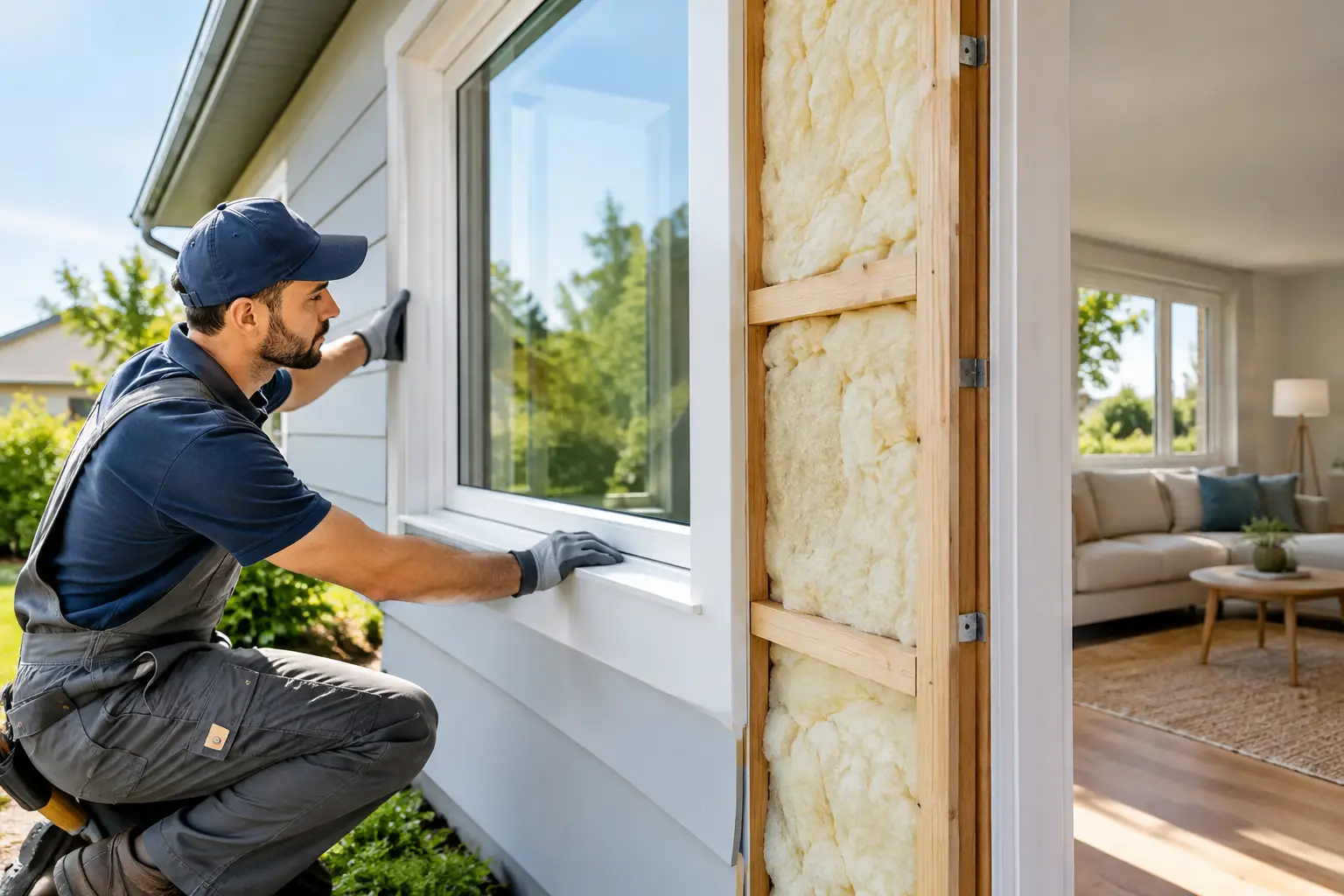
HVAC equipment cannot fully compensate for a home that loses heat through gaps in the building envelope. Air sealing and insulation reduce drafts, stabilize indoor temperatures, and help heating and cooling systems work less hard.
However, tightening a home without considering ventilation can create indoor air quality concerns. Moisture, odors, and indoor pollutants need a controlled way to leave the home. Balanced ventilation and indoor air quality solutions may be appropriate, particularly after substantial air sealing or renovation work.
How to Plan Energy Retrofits in the Right Order
The most cost-effective approach is rarely to replace everything at once. Priorities should reflect your immediate comfort needs, equipment condition, budget, and the opportunity to coordinate work with planned renovations.
Start with urgent reliability issues. A furnace that is unsafe, a leaking hot water tank, or an air conditioner that repeatedly fails needs attention first. Then focus on improvements that address the biggest sources of waste or discomfort. In many homes, that means correcting airflow, replacing outdated heating equipment, or improving controls.
If multiple upgrades are planned, timing matters. For instance, insulation and air sealing improvements may change the amount of heating and cooling capacity your home needs. Completing those measures before selecting replacement equipment can prevent oversizing. Likewise, duct repairs are often easier to complete before a new furnace or air handler is installed.
Keep long-term operating costs in view, not just the purchase price. A lower-cost unit may be attractive upfront, but efficiency, warranty coverage, expected lifespan, maintenance needs, and available incentive programs can change the overall value. Rebate eligibility often depends on the specific equipment, installation method, and documentation, so confirm requirements before work begins.
Why Professional Assessment Matters
Energy retrofits involve more than choosing a highly rated piece of equipment. A quality recommendation should account for the entire home and explain why a particular option fits your needs.
At Pro West Heating & Air Conditioning, that means looking beyond the immediate service call. Homeowners should receive clear options, practical expectations, and guidance on efficiency upgrades that align with their budget. Whether you need a new boiler, furnace, heat pump, air conditioner, hot water system, or improved controls, the goal is the same: dependable comfort without paying to waste energy.
A licensed contractor can also identify safety issues, confirm proper venting, assess electrical or gas requirements, and make sure new equipment integrates correctly with existing components. These details affect both performance and peace of mind.
Get Better Comfort From Every Energy Dollar
The best retrofit is the one that solves the problem you actually have. If your home has uneven temperatures, rising bills, an aging system, or unreliable hot water, start with a professional evaluation rather than a guess. A well-planned upgrade can make your home feel more comfortable every day while putting your energy spending to better use.