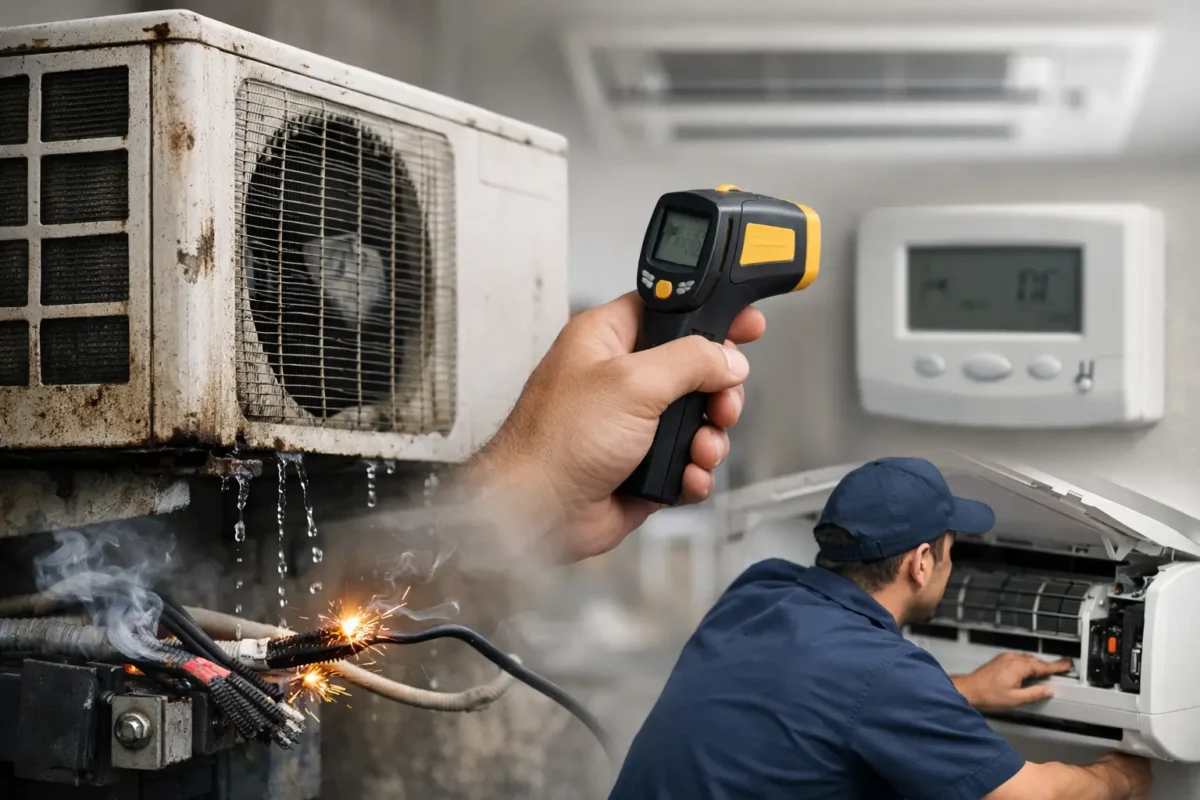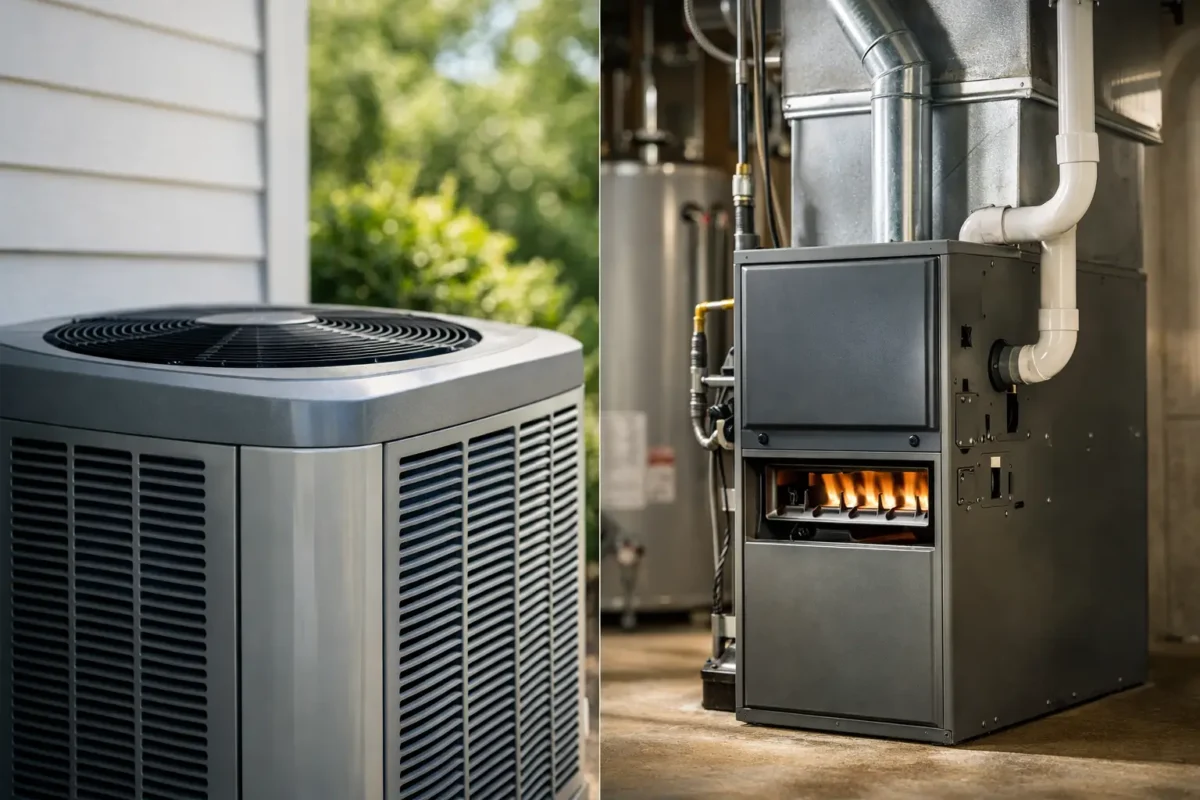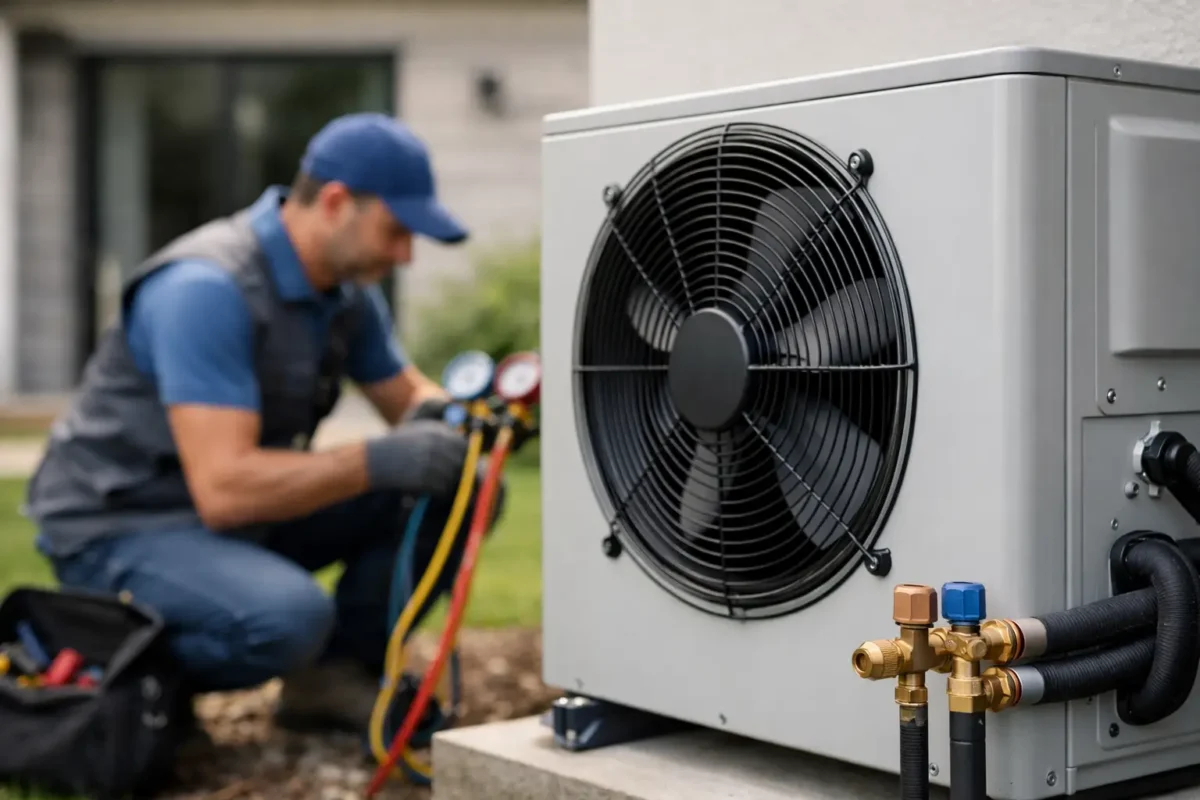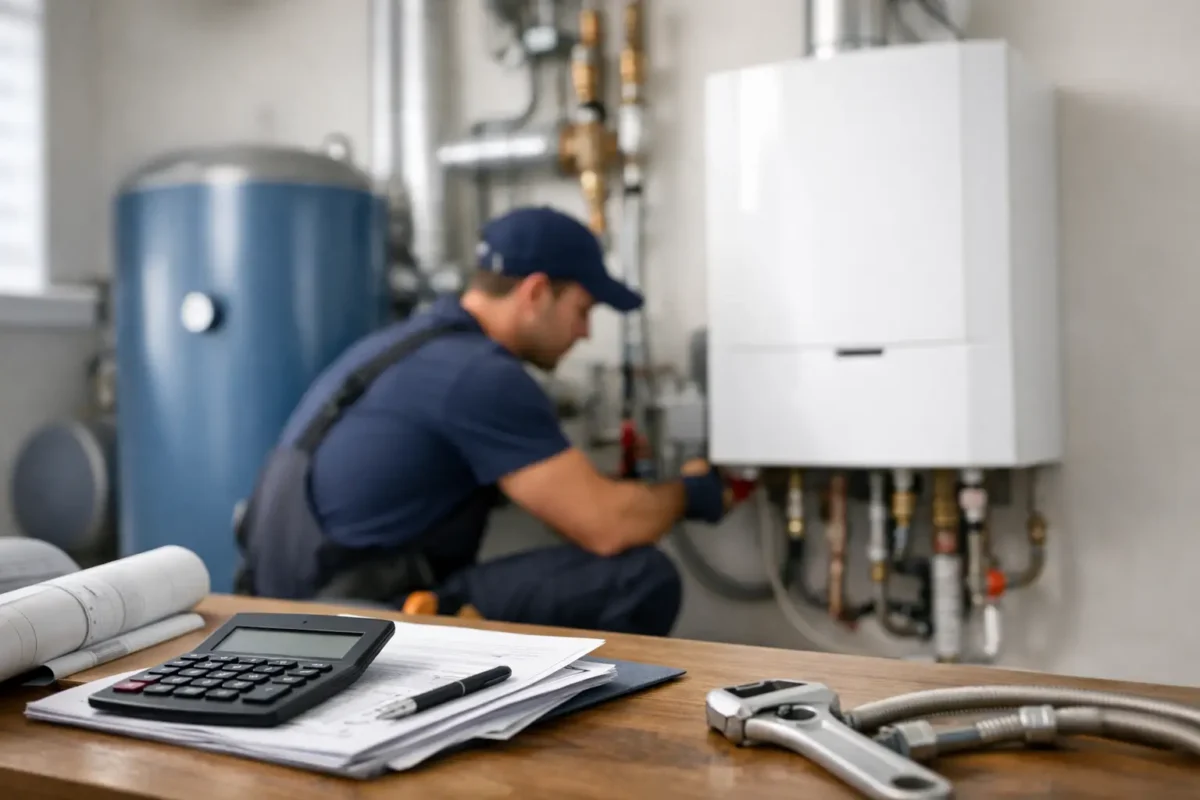
Is a Radiant Floor Heating System Worth It?

Learn how a radiant floor heating system delivers even warmth, what it costs, and when it makes sense for your home, comfort, and year-round energy goals.

Cold floors can make an otherwise warm room feel uncomfortable. A radiant floor heating system solves that problem by warming the floor itself, then gently heating the people, furniture, and air above it. For homeowners planning a renovation, replacing an aging boiler, or building a new home, it can deliver a level of comfort that forced-air heat often cannot match.

That said, radiant heat is not automatically the right answer for every room or every budget. The best choice depends on your existing equipment, floor construction, fuel source, insulation, and how much work you are already planning to do. Here is what homeowners should know before making the investment.

How a Radiant Floor Heating System Works

Radiant heating works from the ground up. Instead of blowing hot air through ducts, it transfers heat through the finished floor. The result is steady, even warmth with fewer hot and cold spots.

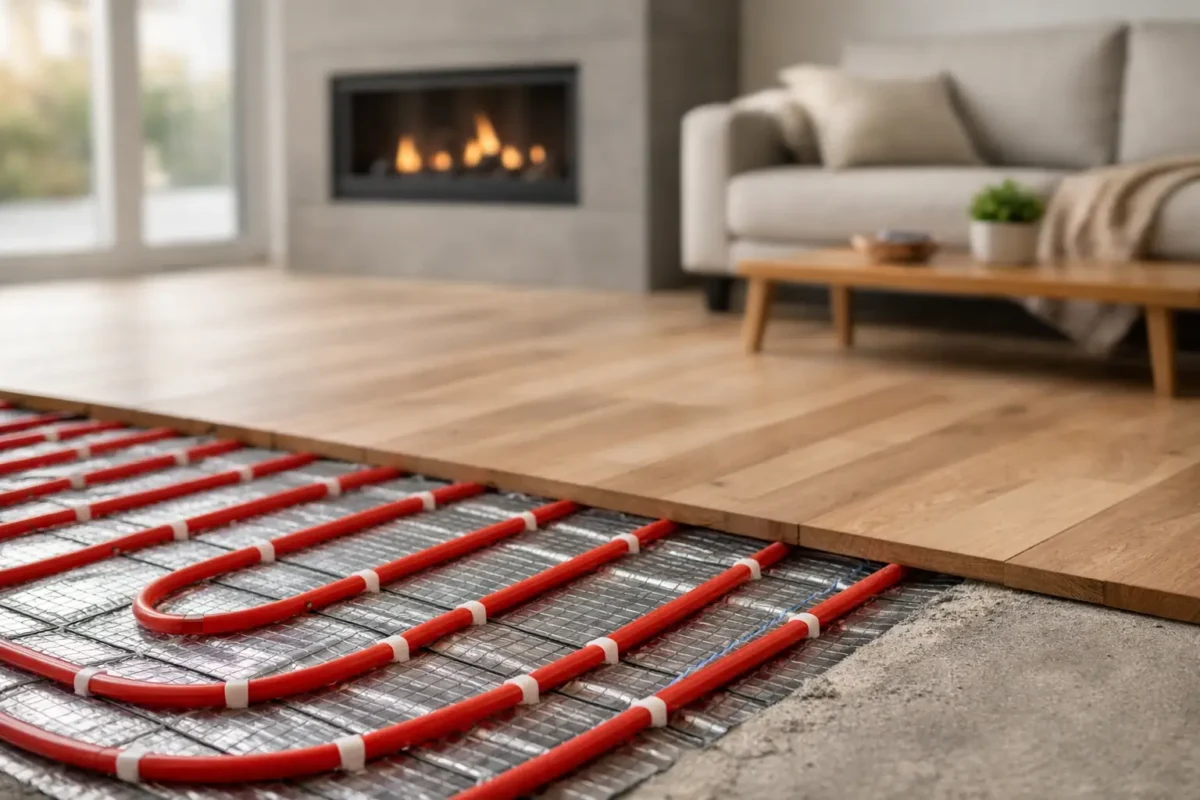
There are two common types. Hydronic radiant heating uses warm water flowing through flexible tubing installed beneath the floor. A boiler or other compatible heat source warms the water, and controls circulate it through individual zones. This is typically the preferred solution for whole-home heating, larger areas, and long-term efficiency.

Electric radiant heating uses cables or heating mats beneath the flooring. It is often a practical choice for smaller spaces such as bathrooms, kitchens, entryways, or a single renovation project. Electric systems can be simpler to install in a limited area, but operating costs may be higher if they are used as the primary heat source for a large home.

Both approaches rely on thermostats and sensors to maintain the desired temperature. With a properly designed system, you can create separate comfort zones so a bathroom can be warm in the morning without overheating bedrooms or unused rooms all day.

Why Homeowners Choose Radiant Floor Heat

The biggest benefit is comfort. Warm air from a furnace rises quickly and can collect near the ceiling, while floors remain chilly. A radiant system starts where you feel it most. It creates a more consistent temperature from floor to ceiling and avoids the drafty feeling associated with some forced-air systems.

Radiant heat is also quiet. There are no blowers turning on and off, no air rushing through registers, and no need for visible floor vents in every room. That can be especially appealing in bedrooms, bathrooms, open-concept living spaces, and homes where a clean interior design matters.

For households concerned about indoor air movement, radiant heating has another advantage. Because it does not rely on circulating air through ductwork, it does not move dust and allergens in the same way a forced-air system does. It does not replace proper ventilation or air filtration, but it can support a more comfortable environment for people sensitive to dry, moving air.

Hydronic systems can also be highly efficient when paired with the right boiler, controls, insulation, and floor assembly. Lower water temperatures can often heat a space effectively, which makes radiant heat a strong match for modern high-efficiency equipment. Efficiency is never just about the heating unit, though. A poorly insulated home, incorrect tubing layout, or weak controls can limit the results.

Where Radiant Heating Makes the Most Sense

Bathrooms are one of the most popular places to install electric floor warming. The area is relatively small, tile holds and transfers heat well, and the comfort improvement is immediate on cold mornings. It is often an excellent upgrade during a bathroom remodel because the flooring is already being removed.

Kitchens, basements, additions, and main-floor living areas are also strong candidates. Basements can benefit significantly because concrete slabs naturally feel cold. In a new addition, hydronic radiant heat may provide a clean solution without extending existing ductwork or installing baseboard heaters.

Whole-home hydronic radiant heating is most practical during new construction or major renovations. Access beneath the floor, the ability to plan the mechanical room, and the opportunity to add insulation all make installation more efficient. Retrofitting an occupied home is possible, but the approach must be tailored to the structure. In some cases, tubing can be installed from below through a basement ceiling. In others, the floor height may need to be raised slightly to accommodate panels or a new underlayment.

Flooring Matters More Than Many Homeowners Expect

Tile and stone are excellent finishes for radiant heat because they conduct and retain warmth well. Polished concrete is another effective option, particularly for basement slabs and modern homes.

Engineered wood, vinyl, laminate, and certain carpet products can also work, but they require careful product selection. Thick carpet and dense padding act as insulation, slowing heat transfer. Solid hardwood may expand and contract as temperatures change, so the manufacturer must specifically approve it for radiant applications.

A reliable installer considers the entire floor assembly, not just the heating equipment. That includes subfloor condition, insulation below the heating surface, moisture protection, finished flooring limits, and the heat loss of the room. This planning prevents uneven temperatures and protects your flooring investment.

What Does Installation Cost?

The cost of a radiant floor heating system varies widely because the project scope varies widely. Installing electric warming mats in one bathroom is very different from designing a multi-zone hydronic system for an entire home.

Electric systems usually have a lower upfront cost for small areas. Hydronic systems require more equipment and labor, including tubing, manifolds, pumps, controls, and a compatible heat source. If you already need to replace an older boiler or are renovating several rooms at once, the added investment may make more sense.

The floor itself is often the largest cost factor. Removing existing tile, repairing a subfloor, leveling concrete, or rebuilding flooring can add substantial labor. A professional estimate should clearly separate heating equipment, electrical or mechanical work, floor preparation, controls, and any required permits.

Before comparing quotes, make sure each contractor is pricing a complete design. The least expensive proposal may leave out zoning, insulation improvements, thermostat upgrades, or proper heat-loss calculations. Those details affect comfort and operating costs for years.

Common Trade-Offs to Consider

Radiant heat responds more slowly than forced-air heating. A furnace can raise room temperature quickly after a thermostat adjustment. A heated floor has more thermal mass, especially under tile or concrete, so it takes longer to warm up and cool down. Smart controls and programmed schedules help manage this, but homeowners should expect steady comfort rather than rapid temperature swings.

A radiant system also does not provide cooling. If your home needs air conditioning, you may still need a ducted system, ductless heat pumps, or another cooling strategy. Some homes use radiant heat for winter comfort and a separate cooling system for summer, which can be an excellent combination when planned properly.

Maintenance requirements are generally modest, especially for electric systems. Hydronic systems should still be serviced as part of regular boiler maintenance. A qualified technician can inspect pressure, pumps, valves, controls, and water quality to catch issues before they affect performance.

Choosing Between Hydronic and Electric Systems

Choose electric radiant heat when you want targeted comfort in a small area, have a defined renovation project, and do not need it to heat the whole home. It is especially effective for bathrooms and entryways where warm floors add a noticeable daily benefit.

Choose hydronic radiant heat when you are heating larger areas, building new, completing a major renovation, or replacing an older boiler-based system. Its higher upfront investment can be justified by whole-home comfort, flexible zoning, and long-term performance when the system is designed correctly.

The right answer may be a combination. A home can use a high-efficiency furnace or heat pump as its primary system while adding electric radiant warming in key rooms. Another home may use hydronic radiant heating on the main floor and a separate solution upstairs. Your comfort needs should lead the design, not a one-size-fits-all recommendation.

Get the Design Right Before the Floor Goes In

Once flooring is installed, changes become more difficult and expensive. That is why planning should begin before demolition or material orders. A professional should assess room-by-room heat loss, electrical capacity or boiler compatibility, insulation levels, flooring choices, thermostat locations, and zoning needs.

Homeowners in the Lower Mainland can also ask about available energy-efficiency rebates before committing to equipment changes. Eligibility can depend on the heating source, the home, and the scope of the upgrade, so it is worth reviewing options early rather than after installation.

Pro West Heating & Air Conditioning can help homeowners evaluate whether radiant heating fits their home, renovation plan, and budget. A clear assessment up front gives you the confidence to choose a system that keeps your floors warm, your rooms comfortable, and your heating investment working the way it should.
Hot Water Tank Replacement Cost: What You’ll Pay

See what affects hot water tank replacement cost, from tank type and venting to installation, permits, and efficiency upgrades that lower future bills.

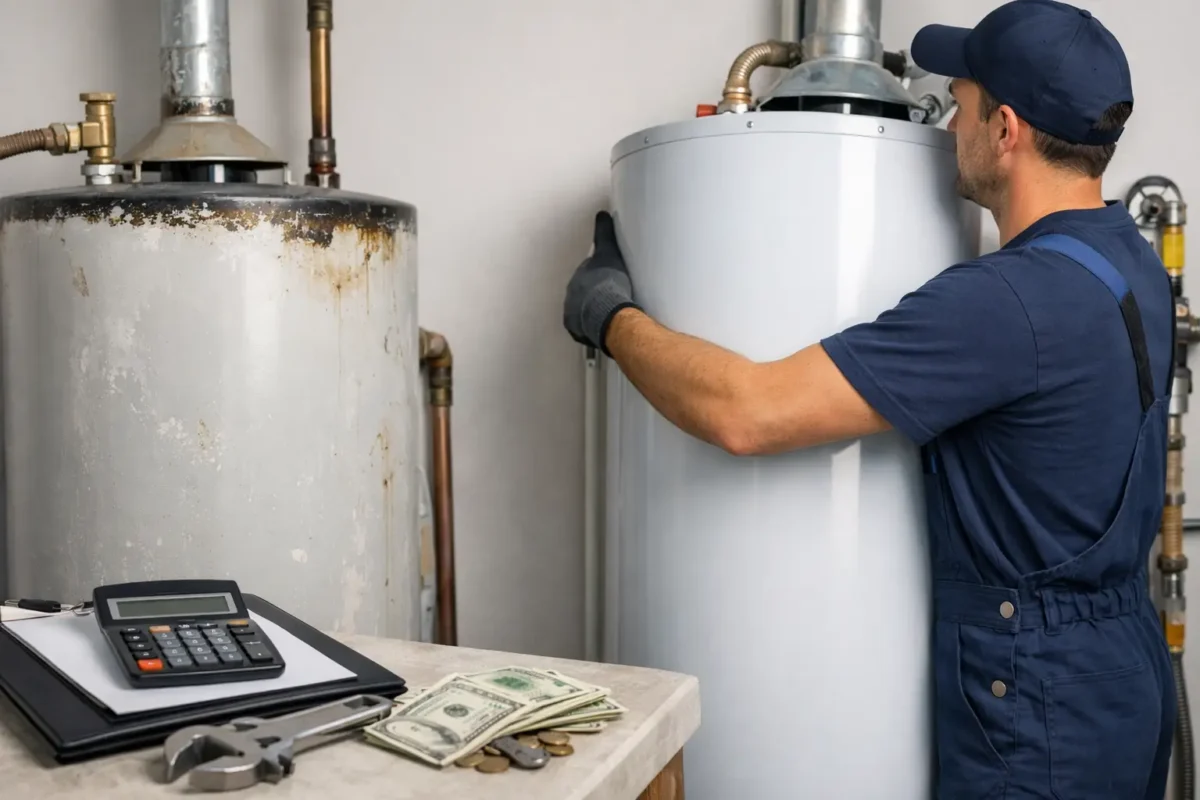
A cold shower makes one thing clear fast: delaying a failing water heater rarely saves money. Hot water tank replacement cost depends on far more than the price of a new tank. The fuel source, tank capacity, venting setup, condition of your existing plumbing, and required permits can all change the final installed price.

For homeowners in the Lower Mainland, a professional replacement is an investment in dependable daily comfort. A qualified contractor can identify whether a straightforward tank swap is possible or whether your home needs safety, venting, or efficiency upgrades at the same time. That distinction matters when comparing quotes.

What Does Hot Water Tank Replacement Cost?

For a standard residential installation, hot water tank replacement commonly ranges from about $1,500 to $3,500 for an electric or conventional gas model, including basic installation. Higher-capacity units, power-vented gas tanks, difficult access, or required code updates can raise the total to $3,000 to $5,500 or more.

These are useful planning figures, not a substitute for an in-home assessment. Every home has different connections, venting paths, and hot water demands. A low initial quote may not include the work needed to safely complete the installation, while a more complete estimate should clearly explain what is included.

Typical installed cost ranges

A conventional electric tank is often the most straightforward replacement when the electrical supply and plumbing are already in good condition. Conventional atmospheric-vent gas tanks can also be cost-effective when existing venting meets current requirements.

Power-vented gas tanks generally cost more because they use a fan and specialized venting. They are often a practical choice where a standard chimney vent is unavailable or unsuitable. High-efficiency condensing units and tankless water heaters usually have a higher upfront cost, but may reduce energy use and provide other long-term benefits.

The right choice is not always the least expensive tank on installation day. It is the unit that safely meets your household’s demand, works with your home, and makes sense for your expected length of ownership.

What Changes the Price of a Water Heater Replacement?

Equipment is only one part of the bill. Installation conditions often account for the difference between a simple replacement and a larger project.

Tank fuel source and capacity

Gas and electric tanks are not interchangeable without changes to your home. Switching fuel sources can involve electrical upgrades, gas piping, venting, or permits, which can significantly increase the project cost. Most homes are best served by replacing like for like unless there is a strong reason to upgrade.

Capacity also matters. A smaller tank costs less, but it can leave a busy household without enough hot water during back-to-back showers, laundry, and dishwashing. A larger tank has a higher equipment cost and can use more energy to maintain stored water. An experienced technician will size the system around your family’s real usage rather than simply matching the old tank.

Venting requirements

Venting is one of the biggest cost variables for gas water heaters. A conventional tank may use an existing chimney-style flue, while a power-vented or condensing model may need new PVC vent piping and an exterior termination.

Older venting systems may not meet current safety requirements. If the vent route must be modified, extended, or moved, that work should be included in the estimate. Proper combustion air and venting are not optional details – they protect your home and help the equipment operate as designed.

Installation location and access

A tank in an open utility room is typically easier to replace than one in a tight crawlspace, finished basement, attic, or cramped mechanical closet. Narrow stairs, limited clearance, and difficult routes for removing the old tank can add labor time.

The location may also require a drain pan, upgraded shutoff valves, seismic strapping where applicable, or changes to meet local code. These items can add cost, but they also reduce the risk of water damage and make future service safer and easier.

Plumbing, electrical, and gas line upgrades

Corroded water lines, outdated valves, undersized gas piping, and inadequate electrical circuits should be addressed before a new tank is installed. Connecting new equipment to failing components can create avoidable problems soon after replacement.

A professional estimate should separate essential safety or code work from optional improvements whenever possible. That gives you a clear view of what is needed now and what can be planned for later.

Permit, disposal, and warranty coverage

Permits and inspection requirements vary by municipality. They may add to the project price, but they help ensure the work follows local safety standards. The old tank must also be drained, removed, and disposed of properly.

Ask what warranty applies to both the equipment and the labor. A long manufacturer warranty is valuable, but dependable installation and responsive service matter just as much when a problem occurs.

Repair or Replace: Which Makes More Sense?

A repair can be the smart decision when the tank is relatively new and the issue is limited to a replaceable part, such as a thermostat, heating element, thermocouple, or pressure relief valve. Regular maintenance can also extend the service life of a water heater.

Replacement is usually the better value when the tank is leaking, heavily corroded, near the end of its expected service life, or repeatedly requiring repairs. Most conventional tanks last roughly 8 to 12 years, although water quality, installation conditions, and maintenance can shorten or extend that timeline.

Do not wait for a small leak to become a flooded utility room. Rust around the base, discolored hot water, rumbling sounds, inconsistent temperatures, or moisture near the tank are all reasons to schedule an inspection. A technician can assess the issue and explain whether repair remains reasonable.

Can a More Efficient System Lower Long-Term Costs?

Efficiency upgrades can change the conversation from replacement price to total cost of ownership. A standard tank may have the lowest upfront price, while a higher-efficiency gas model, heat pump water heater, or tankless unit may use less energy over time.

There are trade-offs. Heat pump water heaters need suitable space and operating conditions, and they can cool the room around them. Tankless systems provide continuous hot water when sized correctly, but their installation can require substantial gas, electrical, and venting changes. For some households, a quality conventional tank remains the most practical and cost-effective choice.

Available rebates can also affect the economics of an upgrade. Programs and eligibility requirements change, so it is worth asking about current options before selecting equipment. Pro West Heating & Air Conditioning can help homeowners compare suitable systems, installation requirements, and available rebate opportunities during a free estimate.

How to Compare Replacement Estimates

When comparing quotes, make sure each one describes the same scope of work. The lowest number is not always the lowest final cost if it excludes permit fees, removal of the old tank, venting modifications, new valves, code upgrades, or labor.

A detailed estimate should identify the proposed make, model, capacity, fuel type, warranty, and all included installation work. It should also explain any assumptions, such as whether existing venting or gas lines are suitable. Clear answers upfront help prevent unpleasant surprises once work begins.

It is also wise to ask how quickly the contractor can respond if your tank fails completely. Hot water is a daily necessity, and prompt service can make a stressful breakdown much easier to manage.

A new hot water tank should give your household reliable comfort, not another item to worry about. If your unit is aging, leaking, or struggling to keep up, an in-home assessment can give you a clear replacement price and a practical path forward before a breakdown forces the decision.

AC Maintenance Checklist for Your Home This Summer

This AC maintenance checklist for home cooling helps lower energy use, prevent breakdowns, and show when it is time to call a licensed HVAC technician.

The first hot day is a poor time to find out your air conditioner has a clogged filter, a blocked outdoor unit, or a weak capacitor. A practical AC maintenance checklist for your home helps you catch small issues before they become a no-cooling call, a high utility bill, or an uncomfortable night indoors.

Some maintenance is safe and worthwhile for homeowners. Other work, especially electrical testing, refrigerant service, and internal cleaning, belongs with a licensed HVAC technician. The goal is not to take your system apart. It is to keep airflow clear, spot warning signs early, and schedule professional service before summer demand peaks.

AC Maintenance Checklist for Homeowners

Start with the items that protect airflow and help your equipment run without unnecessary strain. Set aside 20 to 30 minutes each month during cooling season, then arrange a professional tune-up once a year.

  • Check or replace the air filter every 30 to 90 days.
  • Confirm supply vents and return grilles are open and unobstructed.
  • Clear leaves, grass, mulch, and storage items from the outdoor condenser.
  • Test the thermostat and verify the system starts, cools, and cycles properly.
  • Look for water near the indoor unit or drain line.
  • Listen for new noises and pay attention to unusual odors.
  • Schedule annual professional AC maintenance before extended hot weather arrives.

These steps are simple, but they address many of the conditions that shorten equipment life. Restricted airflow, for example, can make an air conditioner run longer, cool less effectively, and put extra stress on the blower and compressor.

Replace the filter on schedule

Your filter is one of the most important items on any home AC maintenance checklist. A dirty filter limits the air moving across the indoor coil. That can reduce comfort, increase energy use, and in severe cases contribute to coil icing.

Check the filter monthly, especially if you have pets, allergies, construction dust, or a busy household. Replacement timing depends on the filter type and your home, not just the date printed on the package. If the filter looks gray and packed with debris, replace it. If you use a high-efficiency filter, make sure it is compatible with your system. A filter that is too restrictive can create its own airflow problem.

Keep vents, returns, and registers clear

Walk through the home and make sure furniture, rugs, curtains, and boxes are not blocking supply vents or return-air grilles. Closing vents in unused rooms may seem like a way to save money, but it can disrupt system airflow and pressure balance. Unless your system was designed with zoning controls, keep most vents open.

Pay special attention to large return grilles. They pull air back to the HVAC system, and they need clear space around them. A blocked return can make bedrooms feel stuffy, cause uneven temperatures, and make the equipment work harder than necessary.

Clean around the outdoor condenser

The outdoor unit releases the heat removed from your home. It needs room to breathe. Turn off power at the disconnect before removing loose leaves, branches, or debris from around the unit. Keep plants and landscaping trimmed back so there is roughly 2 feet of open space around the sides and above the condenser.

Do not cover the unit while it is operating, and do not use a pressure washer on the coil fins. Those thin metal fins bend easily and can restrict airflow. A gentle rinse with a garden hose may be appropriate if the exterior coil is visibly dusty, but skip this step if you are unsure how to do it safely. Professional cleaning is the better choice when the coil is heavily soiled or the fins are damaged.

Check Your Thermostat Before Cooling Season

A thermostat issue can look like an AC failure when it is actually a settings, battery, or programming problem. Set the thermostat to cooling mode and choose a temperature a few degrees below the current room temperature. Within several minutes, you should hear the indoor system start and then the outdoor unit engage.

Make sure the fan is set to Auto rather than On for normal operation. The On setting keeps the blower running continuously, which can raise electricity use and sometimes make indoor air feel more humid between cooling cycles.

If you have a smart thermostat, review the schedule before summer. Aggressive setbacks can save energy for some households, but the best settings depend on insulation, sun exposure, household routines, and how quickly your home heats up. A consistent setting is often more comfortable for families with pets, young children, or people working from home.

Watch the condensate drain

Air conditioning removes moisture from indoor air. That water drains through a condensate line, usually near the furnace or air handler. Check the area for standing water, staining, musty smells, or a drain pan that looks full.

A clogged drain line can trigger a safety switch and shut the system down. It can also lead to water damage if the issue is ignored. You may be able to keep the drain opening clear, but recurring clogs, visible mold, or water around the equipment should be handled by a technician.

Know the Warning Signs That Need Service

Home maintenance can prevent common problems, but it cannot replace a full inspection. Call for professional service if your AC runs but does not cool, cycles on and off repeatedly, blows warm air, trips a breaker, or makes grinding, buzzing, or loud rattling sounds.

Ice on the refrigerant line or indoor coil is another reason to stop and get help. It may be caused by restricted airflow, a dirty coil, a blower issue, or a refrigerant problem. Continuing to run a frozen system can cause more damage.

Odors matter, too. A mild dusty smell at the first startup can be normal. A burning smell, electrical odor, persistent musty smell, or chemical-like odor is not something to ignore. Turn the system off if you suspect an electrical issue and arrange service promptly.

What a Professional AC Tune-Up Should Include

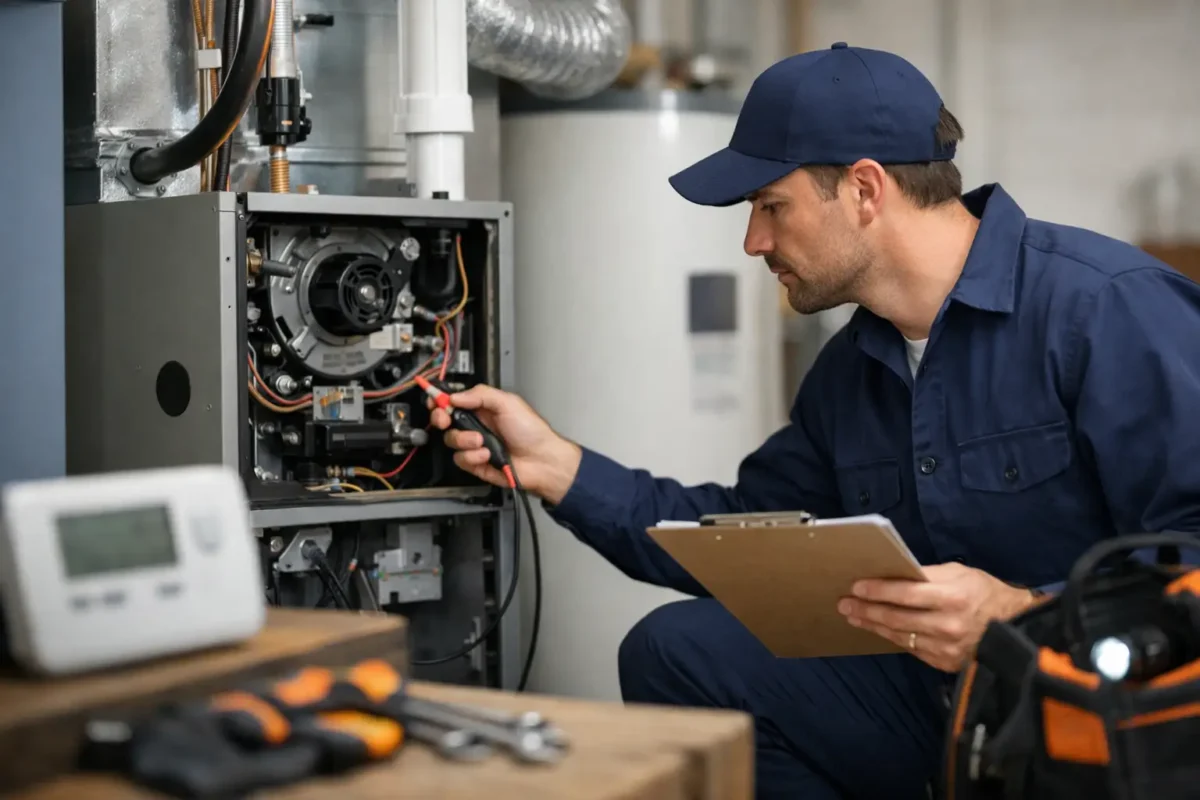
A professional maintenance visit goes beyond replacing a filter and rinsing the outdoor cabinet. A licensed technician can inspect electrical connections, test capacitors and controls, check system operation, examine the blower, evaluate refrigerant performance, clean coils as needed, and verify that the condensate system is draining correctly.

The value is early detection. A worn electrical component, loose connection, or drainage issue may be inexpensive to address during maintenance but much more disruptive if it causes a breakdown during a heat wave. Regular service also gives you a clearer picture of your system’s condition, efficiency, and likely repair needs.

For older equipment, maintenance is also a good time to discuss the trade-off between repair and replacement. A repair may make sense when the issue is isolated and the system is otherwise reliable. If repairs are becoming frequent, cooling is uneven, or utility costs keep climbing, an energy-efficient replacement may offer better long-term value. The right choice depends on the equipment’s age, repair history, home layout, and budget.

A Better Routine for Lasting Home Comfort

Use this checklist monthly during the cooling season, then book professional service once a year. Keep a simple record of filter changes, repairs, and anything unusual you notice. That history makes it easier to spot patterns and helps your technician diagnose issues faster.

When your AC is quiet, clean, and cooling evenly, it is easy to forget it is working in the background. A few routine checks give your system a better chance of staying that way when your home needs it most.

10 Air Conditioner Replacement Signs to Watch

Learn the air conditioner replacement signs that point to higher costs, weak cooling, and declining reliability, so you can plan a smarter home upgrade today.

A hot afternoon is a poor time to learn that your air conditioner can no longer keep up. The most useful air conditioner replacement signs often show up well before a complete breakdown: longer cooling cycles, rooms that never feel comfortable, and repair bills that keep returning. Recognizing them early gives you time to compare efficient options, explore available rebates, and choose a replacement on your schedule instead of during an emergency.

10 Air Conditioner Replacement Signs to Watch

No single symptom automatically means you need a new system. A skilled technician can often restore a newer unit with a targeted repair. But when several warning signs appear at once, replacement may offer better comfort, lower operating costs, and more dependable performance.

1. Your air conditioner is more than 10 to 15 years old

Age alone does not tell the whole story. A well-maintained unit may still run effectively after a decade, while a neglected system can struggle much sooner. Still, once an air conditioner reaches the 10- to 15-year range, wear on major components becomes more likely and efficiency can fall behind current equipment.

Older systems may also use refrigerants that are increasingly difficult or expensive to source. If a major part fails on an aging unit, putting significant money into a repair may not be the best long-term decision. An in-home assessment can help compare the expected repair life with the value of a new system.

2. Cooling is uneven from room to room

If the living room feels comfortable but an upstairs bedroom stays warm and stuffy, the air conditioner may be losing capacity. Weak cooling can also point to duct leaks, insulation gaps, thermostat issues, or an airflow restriction, so it should not be diagnosed by guesswork.

A professional evaluation identifies whether the equipment is the problem or whether your home needs airflow improvements. In some cases, a replacement combined with proper system sizing, zoning, or duct adjustments solves comfort problems that a simple repair never could.

3. Your energy bills keep climbing

Utility costs naturally rise during a hot stretch, but a steady increase from year to year deserves attention. As an air conditioner ages, it may need more electricity to deliver the same amount of cooling. Dirty coils, worn motors, refrigerant problems, and declining compressor performance can all contribute.

Compare similar billing periods, rather than one unusually hot month. If your usage has climbed while your cooling habits have not changed, have the system inspected. A high-efficiency replacement can reduce energy use, although the actual savings depend on your home, system size, insulation, thermostat settings, and local electricity rates.

4. Repairs are becoming frequent or expensive

One repair does not mean it is time to replace your AC. Electrical components, capacitors, and contactors can sometimes be repaired at a reasonable cost. The decision changes when service calls become routine or when the repair involves a costly major component, such as the compressor or evaporator coil.

Consider the full picture: the unit’s age, repair history, current efficiency, warranty coverage, and the likelihood of another failure. Spending money to gain a few more reliable seasons can make sense. Spending heavily on a system near the end of its service life often does not.

5. The system runs constantly without reaching the set temperature

On very hot days, it is normal for an air conditioner to run for longer periods. It should still make steady progress toward the temperature set on the thermostat. If it runs almost nonstop while the house remains warm, the system may be undersized, losing refrigerant, restricted by poor airflow, or losing capacity due to age.

Constant operation also adds stress to the equipment and can raise monthly costs. Do not ignore this issue simply because cool air is still coming from the vents. A timely inspection may prevent a complete failure during peak cooling season.

6. You hear new or concerning noises

A consistent low operating sound is normal. Banging, grinding, squealing, rattling, or repeated clicking is not. These sounds may indicate loose hardware, a failing motor, worn bearings, electrical problems, or compressor trouble.

Some noise issues are repairable, especially when they are addressed early. But unusual sounds from an older unit, paired with weak cooling or high repair costs, are stronger air conditioner replacement signs. Turn the system off and request service if you hear loud grinding, smell burning, or notice repeated breaker trips.

7. Humidity stays high indoors

Cooling is only part of an air conditioner’s job. It should also remove a reasonable amount of moisture from the air. When indoor humidity remains high, rooms can feel warmer than the thermostat reading, and you may notice clammy surfaces, musty odors, or a general sense of discomfort.

High humidity can come from ventilation or building-envelope issues, but it can also signal an air conditioner that is improperly sized or no longer operating correctly. A system that is too large may cool the home too quickly and shut off before removing enough moisture. That is why correct sizing matters just as much as choosing an efficient model.

8. Airflow from vents has become weak

Weak airflow can make even a functional air conditioner feel ineffective. Start with the basics: check that return and supply vents are open and not blocked by furniture, and replace a dirty filter if needed. If the issue continues, the cause may be a failing blower motor, duct problem, coil buildup, or an aging system that cannot move air as it should.

A technician should inspect the entire cooling system before recommending replacement. If the outdoor unit is still in good condition, the fix may be in the indoor equipment or ductwork. If several components are worn, a coordinated replacement may be the more dependable solution.

9. You are dealing with refrigerant leaks

Refrigerant is not something an air conditioner should routinely consume. If levels are low, there is usually a leak that needs to be found and repaired. Simply adding refrigerant without addressing the source may provide temporary cooling, but it does not solve the underlying problem.

For an older system using outdated refrigerant, a leak can become especially costly. The right choice depends on the location and severity of the leak, the system’s age, and the condition of its major components. A clear repair-versus-replace estimate helps you make a decision based on total value, not just today’s service bill.

10. Your comfort needs have changed

Sometimes the equipment is not broken. Your home may have changed. A finished basement, home office, addition, growing family, or changing work schedule can expose limitations in a system that once seemed adequate. You may also be ready for quieter operation, better humidity control, smart thermostat compatibility, or a heat pump that provides efficient heating and cooling.

Replacement is an opportunity to design for how you use your home now. A qualified contractor should calculate the proper load instead of selecting equipment based only on the size of your old unit. Oversizing and undersizing both create comfort and efficiency problems.

When Repair Makes Sense and When Replacement Is Smarter

Repair is often the practical choice for a newer system with a minor, isolated issue. Regular maintenance, clean filters, and prompt service can extend its useful life. Replacement becomes more compelling when an older unit has multiple problems, requires a major repair, cannot keep the home comfortable, or costs too much to operate.

Do not make the decision based on age alone or on the lowest upfront price. Ask for clear options that outline the repair, the expected lifespan after repair, replacement efficiency ratings, warranty coverage, installation requirements, and any rebate opportunities. The best outcome is a system that delivers reliable comfort without unnecessary operating costs.

A planned replacement gives your household more control over the budget and the equipment choice. If you are seeing several of these warning signs, Pro West Heating & Air Conditioning can assess your system, explain the practical options, and provide a clear estimate before a small comfort issue becomes a no-cooling emergency.

Heat Pump vs Furnace: Choosing Home Comfort

Heat pump vs furnace: compare upfront cost, comfort, efficiency, cold-weather performance, and maintenance to choose the right system for your home.

A heating replacement is not just about getting the house warm again. It affects your monthly utility costs, summer comfort, indoor air quality, and long-term plans for the home. When comparing a heat pump vs furnace, the best choice depends on your existing equipment, energy source, budget, and how you want your home to feel throughout the year.

For many Lower Mainland homeowners, a heat pump is an excellent all-season upgrade. For others, a high-efficiency gas furnace remains the most practical and dependable solution. The right answer starts with a clear look at how each system works and where it performs best.

Heat Pump vs Furnace: The Core Difference

A furnace creates heat by burning natural gas, propane, or using electricity. Most homes with gas furnaces use natural gas. The furnace warms air and sends it through ductwork to each room. It is a dedicated heating system, so a separate air conditioner is needed for cooling.

A heat pump does not generate heat in the same way. It moves heat from one place to another. During winter, it draws available heat from outdoor air and transfers it indoors. During summer, it reverses that process to remove heat from your home, operating much like an air conditioner.

That difference matters. A furnace gives you powerful, direct heat when temperatures drop. A heat pump provides both heating and cooling in one system, using electricity to move heat rather than relying entirely on fuel combustion.

When a Heat Pump Makes Sense

A heat pump can be a strong choice for homeowners replacing both their heating and cooling equipment. Instead of installing a new furnace and a separate central air conditioner, you can install one system that handles both jobs.

Year-round comfort from one system

In Metro Vancouver and the Fraser Valley, summers can bring uncomfortable heat, while winters are generally moderate and damp. A properly sized heat pump gives you efficient heating through much of the winter and reliable cooling during warm weather. It can also help remove humidity in summer, which makes indoor spaces feel more comfortable even before temperatures become extreme.

Modern cold-climate heat pumps perform far better in low temperatures than older models. They can continue delivering useful heat well below freezing. However, capacity and efficiency can decline as outdoor temperatures fall, so the system must be selected carefully for the home and local climate.

Lower energy use in the right conditions

Because a heat pump transfers heat instead of producing it, it can deliver more heating energy than the electricity it consumes. That efficiency can reduce operating costs compared with electric resistance heating and may offer savings compared with other options, depending on local utility rates and the equipment being replaced.

The savings are not automatic. Your insulation levels, air leakage, thermostat settings, electricity costs, and the efficiency of your old system all affect the final result. An in-home assessment is the right time to look at those factors instead of relying on a generic savings estimate.

A path away from fossil fuel heating

Homeowners who want to reduce direct natural gas use often consider a heat pump first. It is an electric system and does not burn fuel inside the home. For families planning a long-term efficiency upgrade, that can be an important benefit.

Available rebate programs may also improve the value of a qualifying heat pump installation. Requirements, funding, and equipment eligibility can change, so it is wise to verify current options before making a final equipment decision.

When a Furnace Is the Better Choice

A high-efficiency furnace is still a proven, practical heating solution. It is especially appealing when your home already has a well-functioning duct system, natural gas service, and a separate air conditioner that does not need replacement.

Fast, dependable heat in cold weather

Gas furnaces are designed to provide consistent heat even during the coldest part of winter. They are not dependent on outdoor air temperature to capture heat. If your household prefers strong, fast heat from supply vents, a furnace can deliver the response you expect.

This is also worth considering in homes with high heat loss. Older homes, drafty additions, large open spaces, and properties with limited insulation may need more heating capacity than a heat pump alone can comfortably provide during a cold snap. Improving the home envelope may change that calculation, but it should be part of the conversation.

Lower replacement cost when cooling stays in place

If your furnace has failed but your central air conditioner is relatively new and in good condition, replacing only the furnace may be the most cost-effective move. A heat pump conversion can require replacing the outdoor air-conditioning unit and indoor coil as well, increasing the initial investment.

A new high-efficiency furnace can also work with your existing air conditioner, thermostat, and ductwork when those components are compatible. That makes the project simpler in many homes.

Reliable option for gas-equipped homes

For homeowners with access to natural gas, a furnace can offer predictable winter performance. Modern models with variable-speed blowers and two-stage or modulating operation can improve comfort compared with older single-stage equipment. These features can reduce temperature swings, improve airflow, and help the system run more quietly.

Upfront Cost and Long-Term Value

The purchase price is only one part of a heating decision. Heat pump installations often cost more upfront than a straightforward furnace replacement, particularly if both heating and cooling equipment must be replaced. Electrical upgrades, duct modifications, line-set work, or a new thermostat can also affect the scope.

But a heat pump may eliminate the need to purchase a separate air conditioner. It can also provide value through lower energy use, potential rebates, and year-round operation. The long-term value is strongest when the system is properly sized, installed, and maintained.

A furnace may have a more accessible upfront cost when it is a like-for-like replacement. Still, remember to account for future cooling needs. If the air conditioner is also nearing the end of its service life, replacing the furnace alone may only delay a larger decision.

Comfort, Maintenance, and Backup Heating

Neither system will perform well if it is oversized, undersized, or installed without attention to airflow. Proper sizing requires more than matching the capacity of the old unit. A qualified contractor should consider square footage, insulation, windows, duct design, orientation, occupancy, and heat loss.

Heat pumps need regular filter changes, clean coils, clear outdoor airflow, and professional maintenance. Furnaces also need filter changes and annual service, including inspection of combustion components, venting, safety controls, and the heat exchanger. Routine maintenance protects efficiency and helps catch smaller issues before they become an emergency repair.

Some homeowners choose a dual-fuel system for added flexibility. This setup pairs an electric heat pump with a gas furnace. The heat pump handles heating during milder weather, while the furnace takes over when temperatures reach a set point or when additional capacity is needed. It can be an excellent option for households that want efficient cooling and electric heating without giving up gas-furnace backup.

How to Choose for Your Home

Start with the condition of your current equipment. If both your furnace and air conditioner are aging, a heat pump deserves serious consideration. If only the furnace has failed and the air conditioner still has years of dependable service ahead, a high-efficiency furnace may be the more sensible investment.

Next, consider how you use your home. Families that struggle with hot bedrooms, humid summers, or uneven temperatures can benefit from a heat pump, zoning improvements, or ductwork adjustments. Homeowners focused on strong cold-weather output, gas availability, or a limited replacement budget may lean toward a furnace.

Finally, look beyond the equipment label. The quality of the installation, duct condition, thermostat setup, maintenance plan, and available rebates all influence your result. Pro West Heating & Air Conditioning can assess the full system, explain the trade-offs clearly, and recommend equipment that fits your comfort goals rather than forcing a one-size-fits-all answer.

The best heating system is the one that keeps your family comfortable without creating surprises in the coldest week of winter or the hottest week of summer. A professional home assessment turns that choice from a guess into a plan.

Heat Pump Installation Benefits for Your Home

Learn how heat pump installation benefits Lower Mainland homes with efficient heating, cooling, quieter comfort, and potential rebate savings year-round.

A furnace that heats well but leaves you relying on window AC every summer can cost more than it should. The biggest heat pump installation benefits come from replacing that two-system approach with one efficient system designed to provide dependable heating and cooling through the year.

For homeowners in Coquitlam, Metro Vancouver, and the Fraser Valley, a heat pump can be a practical upgrade when equipment is aging, utility bills are climbing, or certain rooms never feel comfortable. The right system does more than change the temperature. It can improve how evenly your home feels, reduce energy use, and give you better control over daily comfort.

Heat Pump Installation Benefits That Matter Every Day

A heat pump moves heat rather than creating it through combustion. In heating mode, it draws available heat from outdoor air and transfers it indoors. In cooling mode, it works much like an air conditioner, moving heat out of your home.

That process is why heat pumps can be highly efficient in the Lower Mainland’s generally moderate climate. Rather than maintaining a separate furnace and AC unit, you may be able to rely on one system for both major comfort needs.

Efficient heating and cooling from one system

The most immediate advantage is year-round operation. A properly selected heat pump delivers warm air in the colder months and cool, dehumidified air during summer heat. You do not need to schedule your comfort around two different pieces of equipment or wait until an old AC unit fails to address summer cooling.

For homes with electric baseboards, older furnaces, or an aging air conditioner, this can be a meaningful improvement. Actual energy savings depend on your current equipment, your home’s insulation, electricity and gas rates, thermostat habits, and the heat pump model. An in-home assessment is the best way to estimate the likely operating cost for your specific home.

More consistent room-to-room comfort

Many homeowners call for service because one level is too warm, bedrooms stay cold, or the living room is comfortable only when the thermostat is set higher than everyone wants. A heat pump installation can help address these issues when system sizing, airflow, and equipment placement are handled correctly.

Ducted heat pumps use your existing ductwork to distribute conditioned air throughout the home. Ductless mini-splits use wall-mounted indoor units and are particularly useful for additions, suites, older homes without ducts, or rooms that are difficult to heat and cool. Multi-zone systems can serve several areas independently, allowing family members to adjust comfort where they spend time.

A heat pump cannot fix every comfort issue by itself. Leaky ducts, poor insulation, undersized electrical service, and unsealed windows can still affect performance. A professional contractor should identify those concerns before recommending equipment.

Lower carbon emissions without giving up comfort

Heat pumps do not burn fuel inside the home. When replacing a gas-fired heating system, they can reduce direct on-site combustion and support a lower-emission home energy plan. For homeowners considering future energy upgrades, this can be an important long-term benefit.

The comfort change is often just as noticeable as the environmental one. Modern variable-speed heat pumps can run at lower, steadier output for longer periods instead of repeatedly starting and stopping at full capacity. That typically means gentler temperature changes, quieter operation, and fewer hot and cold swings.

Better Air Quality and Humidity Control

Cooling is not only about lowering the thermostat. On humid summer days, a heat pump removes moisture from indoor air as it cools. Lower humidity can make rooms feel more comfortable at a moderate temperature and may help reduce that damp, sticky feeling common in poorly ventilated spaces.

A heat pump also circulates air through compatible filtration equipment. Depending on your system, you may be able to add or upgrade filters, air cleaners, humidity controls, or indoor air quality monitoring. These additions can be helpful for households managing dust, pet dander, seasonal allergies, or stale indoor air.

Filtration is not a substitute for maintenance. Dirty filters, blocked outdoor units, and neglected coils reduce airflow and efficiency. Regular service protects comfort and helps your system operate as intended.

Modern Controls Can Make Energy Use Easier to Manage

A heat pump works best when its controls are set up for the home and the people living in it. Smart thermostats can provide scheduling, remote adjustments, maintenance reminders, and energy-use insights. Zoning can improve control in larger homes or properties with rooms that receive very different levels of sun.

The goal is not to constantly change the temperature. Heat pumps generally perform well with steady settings and modest adjustments. A qualified installer can explain the controls clearly, program the system correctly, and show you how to avoid settings that may increase energy use without improving comfort.

Rebates Can Improve the Value of an Upgrade

Upfront installation cost is often the first concern, and it should be. Heat pumps are a significant home investment, especially when a project includes ductwork changes, electrical upgrades, indoor air handlers, or multiple ductless heads.

Available rebate programs may reduce the initial cost for eligible equipment and homes. Requirements can change, and eligibility may depend on the system selected, your existing heating equipment, installation details, and program deadlines. It is wise to confirm potential incentives before approving the job, not after installation is complete.

Pro West Heating & Air Conditioning can help homeowners review equipment options and rebate requirements as part of a clear, practical recommendation. The best choice is not always the least expensive unit. It is the system that fits your home, budget, comfort expectations, and long-term operating needs.

What a Professional Heat Pump Installation Should Include

Heat pump performance depends heavily on installation quality. Installing an oversized unit can lead to short cycling and uneven comfort. Installing an undersized unit may leave the system working too hard during colder weather. Selecting equipment based only on square footage misses important details such as window exposure, insulation levels, ceiling height, duct condition, and how your family uses the home.

A thorough installation process should include a home evaluation, proper load calculations, equipment sizing, and a review of ducted versus ductless options. The installer should also inspect electrical capacity, select an appropriate outdoor-unit location, test refrigerant lines and drainage, and verify airflow and thermostat operation before the job is complete.

For colder periods, some homes benefit from a backup heat source. This may be electric backup heat, an existing furnace in a dual-fuel arrangement, or another solution based on the home’s design and local winter conditions. Cold-climate heat pumps can operate effectively at low outdoor temperatures, but the right approach depends on the model and the building.

When a Heat Pump May Not Be the Best Standalone Answer

A heat pump is an excellent fit for many homes, but not every project calls for the same solution. If your furnace is new and your main concern is summer cooling, adding a heat pump in a dual-fuel setup may make more sense than replacing everything. If your home relies on a boiler and radiant heating, a ductless heat pump may be used to add cooling and supplement heating in key areas rather than replace the entire system.

Homes with major air leaks or inadequate insulation may see better results by addressing the building envelope alongside the HVAC upgrade. In some cases, repairing ducts or improving attic insulation first can help a new heat pump deliver the comfort and savings you expect.

A heat pump should feel like a well-planned improvement, not a gamble. Start with a professional in-home assessment, ask how the system will perform in your specific layout, and request clear information about equipment, rebates, installation scope, and ongoing maintenance. That preparation gives you a better chance of enjoying reliable comfort in every season.

Boiler Replacement Cost Guide for Your Home

Use this boiler replacement cost guide to understand pricing, installation factors, rebates, and smart choices for reliable home heating with confidence.

A boiler can keep working just well enough to delay a decision, while quietly driving up fuel bills, causing uneven room temperatures, or requiring one repair after another. This boiler replacement cost guide helps homeowners understand what goes into a realistic quote, when replacement makes financial sense, and how to choose a system that delivers dependable comfort for years.

For homeowners in Metro Vancouver and the Lower Mainland, boiler replacement is rarely a one-price purchase. The equipment matters, but so do the existing piping, venting, controls, fuel type, and the condition of the home’s heating distribution system. A proper in-home assessment is the best way to avoid surprises.

What Does Boiler Replacement Usually Cost?

A residential boiler replacement commonly falls in the range of $6,000 to $12,000 CAD for a straightforward installation. More involved projects can range from $12,000 to $18,000 or more, especially when the work includes major venting changes, piping upgrades, zone controls, or a conversion to a high-efficiency condensing boiler.

Those figures are planning ranges, not a substitute for a detailed quote. A compact gas boiler replacing a similar unit in the same location will generally cost less than a system that requires new vent routes, electrical work, condensate drainage, or repairs to older radiant heating components.

The lowest price is not always the best value. A boiler should be sized correctly, installed to code, and matched to the home’s heating needs. An oversized system can cycle too often, waste energy, and wear out components sooner. An undersized boiler may struggle during cold weather and leave some parts of the home uncomfortable.

Boiler Replacement Cost Guide: What Changes the Price?

The equipment itself is only one part of a boiler replacement quote. The following factors often have the biggest effect on total cost.

Boiler type and efficiency

High-efficiency condensing boilers usually cost more upfront than standard-efficiency models, but they can use less fuel by capturing heat that older systems send out through the vent. For many homeowners, the higher initial investment is worthwhile when replacing an aging boiler with poor efficiency or frequent repair needs.

The right choice depends on the home, not just the efficiency rating. A high-efficiency boiler needs appropriate venting and a condensate drain. If those requirements involve extensive modifications, the savings calculation should account for the added installation cost.

Size and heating load

Boiler capacity is measured in BTUs. Larger homes do not automatically need the largest boiler available. Insulation levels, windows, ceiling height, radiant floor heating, baseboards, and the home’s heat loss all influence the required capacity.

A qualified contractor should perform a heat-load assessment rather than simply match the size of the old boiler. Older equipment may have been oversized from the start, particularly in a home that has since received insulation, window, or air-sealing upgrades.

Existing piping, radiators, and radiant heating

A boiler produces heat, but the rest of the heating system delivers it. Hydronic baseboards, radiators, in-floor radiant loops, circulation pumps, expansion tanks, air separators, and zone valves all affect the scope of work.

If these components are in good condition, replacement can be more direct. If a pump is failing, zones are not balanced, or old piping is corroded, addressing those issues during the installation may add cost but can prevent an expensive callback later.

Venting, gas, electrical, and drainage work

Modern condensing boilers often use PVC or polypropylene venting rather than a conventional chimney. That can improve efficiency and provide flexibility, but the vent must be routed, sloped, and terminated correctly.

A replacement may also require a gas-line upgrade, a new electrical connection, an outdoor shutoff, or a condensate neutralizer and drain. These details are not optional extras. They are part of a safe, code-compliant installation.

Hot water needs

Some homes use a combi boiler, which provides both space heating and domestic hot water. Others use a boiler with an indirect hot water tank. Either setup can work well, but the best option depends on household size and hot water demand.

A combi boiler can save space and simplify the system. An indirect tank may be a better fit for a larger family that routinely uses multiple showers, appliances, and hot water fixtures at the same time. Choosing solely on initial cost can lead to disappointing hot water performance.

When Repair Stops Being the Better Deal

A repair is often the right call when the boiler is relatively new and the problem is isolated, such as a faulty sensor, igniter, valve, or circulating pump. However, replacement deserves serious consideration when repair costs keep stacking up or the unit is nearing the end of its expected service life.

Many boilers last roughly 15 to 20 years with proper maintenance, though actual lifespan varies by model, water quality, usage, and service history. If a major repair costs a significant portion of a replacement, the unit has a history of breakdowns, or parts are becoming difficult to source, investing in a new system may provide more predictable comfort and costs.

Watch for uneven heat, banging or whistling noises, water leaks, unexplained pressure loss, rising gas bills, and frequent resets. These symptoms do not automatically mean replacement is required, but they do justify a professional inspection.

Can Rebates Lower the Cost of a New Boiler?

Available rebates can make an energy-efficient upgrade more affordable, particularly when replacing an older, inefficient system. Program requirements change, and eligibility can depend on the boiler model, its efficiency rating, installation details, and whether the home meets program rules.

Before selecting equipment, ask about current rebate opportunities and required documentation. It is much easier to choose a qualifying system before installation than to find out afterward that a model or application step did not meet the program criteria.

A rebate should support a good decision, not drive it entirely. The boiler still needs to fit the home’s heating load, hot water demand, and existing system design. The best upgrade is one that qualifies for available savings while also improving everyday comfort.

How to Compare Boiler Replacement Quotes

A clear quote should explain more than the brand and model number. It should identify the proposed boiler capacity and efficiency, the work included for venting and piping, control upgrades, permit requirements, warranty coverage, and any assumptions about the existing system.

When comparing estimates, make sure they are truly comparable. One quote may include a new pump, zone valve, air separator, thermostat, disposal of the old unit, and commissioning, while another may list only the boiler installation. A lower number can become more expensive if essential work is excluded.

It is also reasonable to ask how the contractor will verify proper operation. A professional installation includes startup, testing, safety checks, pressure verification, and an explanation of how to use and maintain the system. The goal is not simply to get heat back on. It is to leave the home with a reliable, efficient heating system.

Plan the Project Before the Emergency

A boiler failure in winter creates urgency, and emergency replacement is sometimes unavoidable. Planning ahead gives you more time to compare options, consider efficiency upgrades, and review rebate opportunities without making a rushed decision.

If your boiler is aging, schedule an assessment before the next heating season. Pro West Heating & Air Conditioning can evaluate the equipment, heating distribution, and installation requirements, then provide a clear recommendation based on your home rather than a one-size-fits-all solution.

A new boiler is a long-term comfort decision. Choose the system and installation team that can give your household steady heat, dependable hot water, and fewer worries when temperatures drop.

Boiler Repair for Homeowners: When to Call

Boiler repair for homeowners: learn warning signs, safe next steps, and when a licensed technician can restore reliable heat and hot water quickly at home.

A boiler rarely fails at a convenient time. It may start with one cold room, a shower that never gets fully hot, or an unfamiliar banging sound from the utility room. Knowing the basics of boiler repair for homeowners helps you respond quickly, protect your household, and avoid turning a manageable issue into a no-heat emergency.

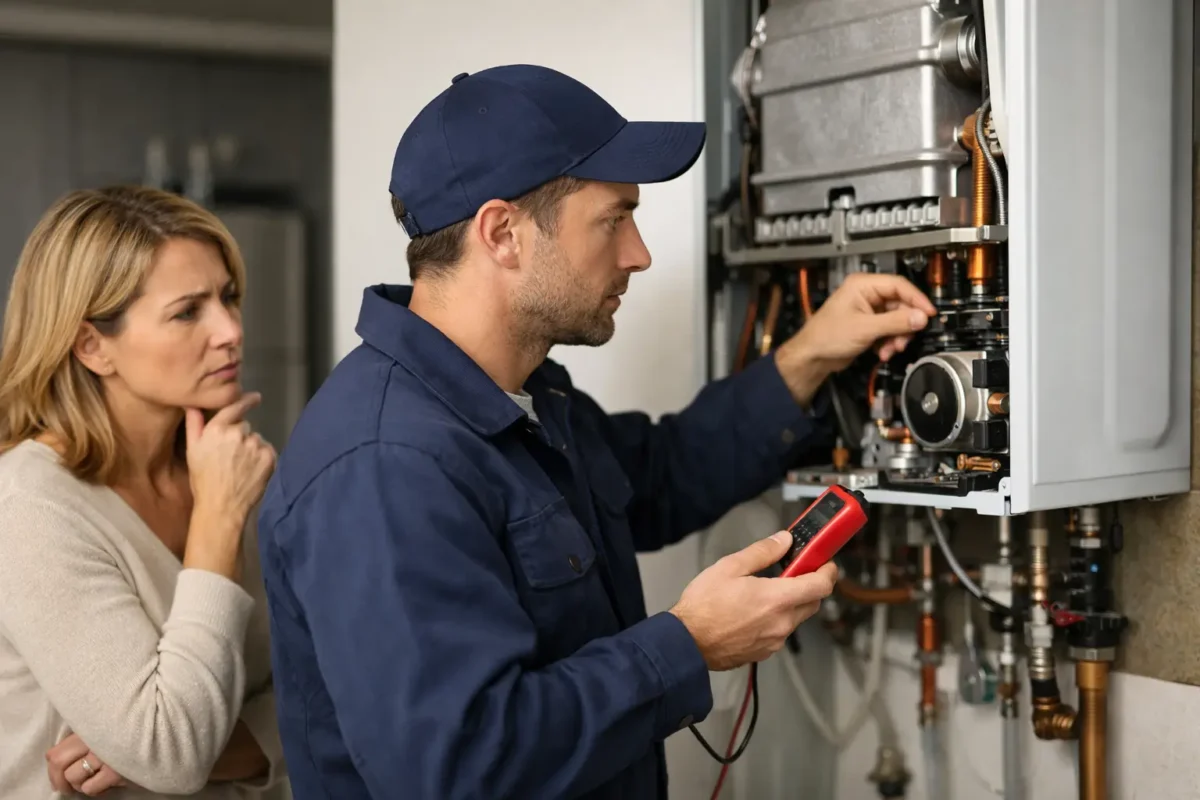
A boiler is not a typical DIY appliance. It combines water, pressure, electricity, and often natural gas. Homeowners can safely spot warning signs, check a few simple conditions, and provide useful details to a technician. Actual repairs, especially anything involving gas, combustion, electrical components, or sealed system pressure, should be handled by a licensed professional.

Signs Your Boiler Needs Professional Attention

Some boiler problems are obvious. Others develop slowly and show up as rising utility bills or uneven comfort. A boiler that needs repair may still produce some heat, which is why homeowners sometimes delay service until the system stops working altogether.

Watch for rooms that remain cold while other areas are comfortable, radiators that take much longer to heat up, or water that fluctuates from hot to lukewarm. These issues can point to circulation problems, trapped air, a failing pump, a faulty zone valve, or a control issue. The cause depends on the type of boiler and how the home’s heating system is configured.

Unusual sounds deserve attention as well. Gurgling can indicate air in the system. Banging or knocking may be related to pressure, pipe movement, mineral buildup, or circulation trouble. A persistent humming sound could come from a pump or motor working harder than it should. Noise alone does not identify the repair, but it gives a technician a useful starting point.

Leaks are another clear warning sign. A small amount of water near a pressure relief valve or fitting can become a bigger problem if left alone. Water can damage flooring, framing, and electrical components, while a loss of system pressure can leave your heat unreliable. Do not try to seal boiler piping with temporary household products. Turn off the system if it is safe to do so and arrange service.

Boiler Repair for Homeowners Starts With Safe Checks

Before calling for service, there are a few safe observations you can make. First, confirm that the thermostat is set to heat and is set higher than the current room temperature. If it uses batteries, replace them. Check whether the boiler display shows an error code and write it down exactly.

Next, look at the boiler pressure gauge if your system has one. Many residential boilers operate within a normal pressure range shown on the gauge or in the owner’s manual. Pressure that is unusually low or high can affect performance, but homeowners should not repeatedly add water or adjust valves without guidance. Doing so can mask a leak or create a pressure problem.

You can also check that the boiler has power and that the appropriate circuit breaker has not tripped. If a breaker trips again after being reset once, leave it off and call a professional. Repeated tripping can signal an electrical fault that needs proper diagnosis.

If you smell gas, hear a loud hissing sound near a gas line, see soot, or notice symptoms of carbon monoxide exposure such as headache, dizziness, nausea, or confusion, treat it as an emergency. Leave the home, avoid operating switches or appliances, and contact your gas utility or emergency services from a safe location. Do not restart the boiler.

Common Boiler Problems and What They Can Mean

A boiler that will not turn on may have a thermostat issue, power interruption, ignition fault, failed control, or a safety shutdown. Modern boilers are designed to stop operating when a sensor detects an unsafe condition. Resetting the system once according to the manufacturer’s instructions may be appropriate, but repeated resets are not a repair. They can delay diagnosis and put added stress on the equipment.

Low heat output is often a circulation issue rather than a failure to generate heat. A technician may inspect the circulator pump, air elimination components, zone controls, valves, and piping. In radiant heating systems, the issue may be isolated to one zone or manifold instead of the entire boiler.

Low boiler pressure can result from a leak, a failed expansion tank, an issue with the fill system, or air released during normal operation. High pressure may involve the expansion tank, pressure-reducing valve, or a control problem. Both conditions need a trained technician because the system must be assessed as a whole.

No hot water can be especially disruptive when a boiler also supplies domestic hot water. The repair could involve a diverter valve, indirect water heater, heat exchanger, sensor, or control. The right answer depends on whether the boiler serves baseboard heating, radiators, radiant floors, an indirect tank, or a combination system.

When Repair Makes Sense and When Replacement May Be Smarter

Not every boiler issue calls for replacement. A newer system with a failed sensor, circulator, valve, or ignition component can often be repaired cost-effectively. Routine repairs and maintenance can extend the life of a well-installed boiler while keeping heat and hot water dependable.

Replacement becomes worth discussing when repairs are frequent, parts are difficult to source, efficiency is poor, or the boiler is nearing the end of its expected service life. A system that runs constantly, heats unevenly, or produces steadily higher energy bills may be costing more than it appears.

The decision should not be based on age alone. A technician should consider the condition of the boiler, its maintenance history, the type of distribution system in the home, repair costs, and the efficiency gains available from newer equipment. In some homes, a high-efficiency boiler, updated controls, zoning improvements, or a compatible hot water upgrade can improve comfort as much as it improves operating costs.

For homeowners considering an upgrade, available rebate programs can affect the overall value of a project. A qualified contractor can explain equipment options, sizing considerations, and whether an upgrade fits the home’s heating needs rather than simply recommending the biggest unit available.

How Maintenance Helps Prevent Emergency Repairs

Annual boiler maintenance is one of the best ways to reduce surprise breakdowns. During a professional visit, the technician can inspect combustion performance, safety controls, venting, system pressure, pumps, valves, electrical connections, and signs of corrosion or leaks. They can also identify small concerns before a cold-weather failure leaves the home without heat.

Maintenance does not guarantee that a part will never fail. It does, however, give homeowners a clearer picture of the system’s condition and can help preserve efficiency. This matters in homes with radiant floors or multiple heating zones, where a minor circulation issue can affect comfort in ways that are not immediately obvious.

Between visits, keep the area around the boiler clear and dry. Avoid storing paint, chemicals, boxes, or laundry against the equipment. Pay attention to changes in sound, pressure readings, heating speed, and hot water performance. Early details make service calls more efficient.

What to Expect From a Boiler Service Call

A professional boiler repair visit should begin with diagnosis, not guesswork. The technician will review the symptoms, inspect the equipment, check fault codes and controls, and test the system safely. If a repair is needed, you should receive a clear explanation of the issue, the recommended work, and the practical options available.

For homeowners in the Lower Mainland, Pro West Heating & Air Conditioning provides residential boiler service with a focus on responsive support, clear recommendations, and long-term home comfort. Whether the issue is a sudden loss of heat or a boiler that has been struggling for weeks, timely service can help prevent further damage and restore dependable operation.

Your boiler does a quiet but essential job every day. When it starts sending warning signs, responding early gives you more choices, less stress, and a better chance of keeping your home warm and comfortable when you need it most.

When Should I Replace My Furnace? 8 Clear Signs

Wondering when should I replace my furnace? Learn the warning signs, repair-versus-replace math, and steps to protect comfort and energy costs at home.

A furnace rarely chooses a convenient time to fail. It usually starts with a cold bedroom, an unfamiliar noise in the basement, or a repair bill that arrives just when you are counting on a quiet winter. If you are asking, when should I replace my furnace, the answer depends on more than its age. Reliability, repair history, safety, comfort, and operating cost all matter.

A well-timed furnace replacement gives you control over the decision. Waiting until the system stops completely can mean fewer equipment choices, rushed installation decisions, and a colder home while you wait. Here are the signs that it may be time to plan ahead.

When Should I Replace My Furnace? Start With Its Age

Most gas furnaces provide about 15 to 20 years of service when they receive regular professional maintenance. Some last longer, while others wear out sooner because of heavy use, neglected filter changes, poor installation, or unresolved repair issues.

Age alone does not mean your furnace needs immediate replacement. A 16-year-old furnace that heats evenly, runs safely, and has had minimal repairs may still have useful life left. But once a furnace is around 15 years old, it is smart to start comparing the cost of continued repairs with the value of a newer, more efficient system.

Older equipment is also more likely to have discontinued parts or components that are expensive to source. Planning before a breakdown lets you choose the right furnace for your home instead of accepting whatever is available during an emergency.

8 Signs Your Furnace May Be Ready for Replacement

1. Repairs Are Becoming Frequent or Expensive

One repair does not automatically justify a replacement. Furnaces have serviceable parts, and a targeted repair can be the sensible choice, especially on a newer unit. The concern begins when breakdowns become a pattern.

If you have needed multiple repairs over the last two heating seasons, ask for a clear estimate of the likely next repairs and the remaining life of the furnace. As a practical guideline, consider replacement when a major repair costs close to half the price of a new system, particularly if the furnace is already beyond the 15-year mark.

2. Your Heating Bills Keep Rising

A sudden utility bill increase can come from weather, insulation gaps, thermostat settings, or ductwork issues. But if your heating costs have climbed steadily while your household habits have stayed the same, an aging furnace may be losing efficiency.

Older furnaces can waste a meaningful portion of the fuel they consume. Modern high-efficiency systems are designed to convert more fuel into usable heat, which can reduce energy waste and deliver more consistent comfort. The exact savings depend on your home, fuel rates, insulation, and the efficiency of the equipment being replaced.

3. Rooms Are Unevenly Heated

A furnace that runs but cannot keep the home comfortable is not doing its job well. You may notice a warm living room but chilly bedrooms, cold spots near exterior walls, or a second floor that never seems to reach the thermostat setting.

Uneven temperatures do not always mean you need a new furnace. Restricted airflow, leaky ducts, an incorrectly sized system, or a thermostat issue can cause similar symptoms. A professional assessment should identify the real source of the problem before you invest in replacement equipment. If the furnace is undersized, oversized, or no longer capable of meeting your home’s needs, replacement may be the more dependable solution.

4. The Furnace Runs Constantly or Short Cycles

A healthy furnace should cycle on, heat the home, and shut off normally. If it runs for long stretches without bringing rooms up to temperature, it may be losing capacity or efficiency. If it turns on and off every few minutes, known as short cycling, it may be overheating, improperly sized, or experiencing a control or airflow problem.

Some cycling issues can be repaired. However, frequent cycling puts added strain on components and can lead to higher energy use. An experienced technician can tell you whether the issue is a practical repair or evidence that the system is nearing the end of its service life.

5. You Hear New or Persistent Noises

Furnaces are not silent, but you should pay attention to banging, rattling, squealing, scraping, popping, or a loud rumbling when the burner starts or stops. These sounds can point to loose components, blower motor trouble, ignition issues, or expanding and contracting ductwork.

The key is change. If a familiar furnace suddenly sounds different, schedule service rather than hoping the noise goes away. Catching a repair early may extend the life of your equipment. Ignoring it can turn a minor component issue into a larger failure.

6. Indoor Air Feels Drier, Dustier, or Less Comfortable

Your furnace affects more than temperature. Weak airflow and aging components can contribute to dust circulation, stale rooms, and inconsistent humidity. If family members are noticing more dust, dry air, or persistent hot and cold zones, your heating system deserves a closer look.

A replacement furnace may be part of the answer, but it is not the only possible fix. Filtration, duct condition, ventilation, humidification, and thermostat controls all influence indoor comfort. A complete home comfort evaluation helps ensure you are solving the actual problem, not simply replacing equipment.

7. The Burner Flame Is Yellow Instead of Blue

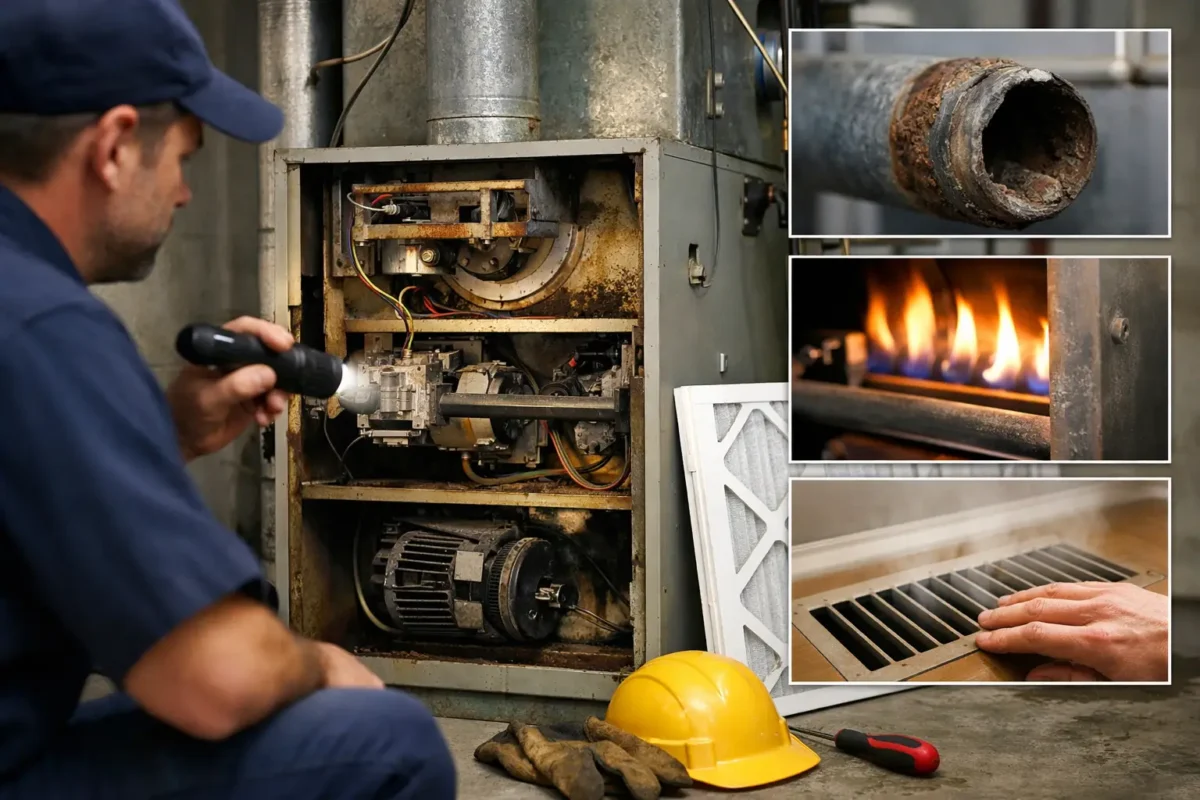
A gas furnace should generally produce a steady blue flame. A yellow, flickering flame can indicate a combustion issue and should be checked promptly by a licensed HVAC professional. Soot around the furnace, excess moisture on windows, rust on venting, or a stale burning smell are also warning signs that should not be ignored.

Install carbon monoxide detectors on every level of your home and test them regularly. If a detector alarms, leave the home immediately, call emergency services or your gas utility as appropriate, and do not re-enter until it is safe. Comfort can wait. Household safety cannot.

8. Your Furnace Cannot Support Your Home’s Future Needs

A furnace that was right for your home years ago may not be right today. A finished basement, home addition, changing family needs, updated windows, or plans to add cooling can all change the heating load. You may also want a quieter system, better temperature control, smart thermostat compatibility, or improved energy efficiency.

Replacement is an opportunity to select equipment based on how you live now. Proper sizing matters more than simply choosing the largest unit. An oversized furnace can short cycle, while an undersized one may run constantly during cold weather. A professional load calculation and in-home assessment lead to a better long-term result.

Repair or Replace: How to Make the Right Call

The best choice is not always replacement. For a furnace under 10 years old with a minor, isolated issue, repair is often the most cost-effective path. Regular maintenance, a clean filter, and timely repairs can protect your investment for years.

Replacement becomes more compelling when several factors show up at once: the furnace is older, repairs are recurring, utility costs are rising, comfort is uneven, and a major component has failed. Rather than focusing only on the immediate repair price, consider what you are likely to spend over the next few years and what you gain from improved reliability and efficiency.

Ask your HVAC contractor to explain the options in plain language. You should understand the repair scope, the expected remaining life of your current furnace, replacement choices, installation requirements, warranty coverage, and any available rebate opportunities. A clear estimate makes it easier to compare short-term cost with long-term value.

What to Do Before Your Furnace Fails

The easiest time to make a furnace decision is before you are without heat. Schedule annual maintenance before heating season, replace filters on schedule, and keep the area around your furnace clear. If your system is approaching the end of its expected lifespan, request an assessment while it is still operating.

For homeowners in Coquitlam, Metro Vancouver, and the Fraser Valley, Pro West Heating & Air Conditioning can assess your current furnace, explain repair and replacement options, and help identify energy-efficient upgrades and applicable rebates. The goal is not to replace a furnace that can be repaired. It is to help you avoid an avoidable breakdown and make a confident choice when replacement is the better investment.

If your furnace is older, noisier, less reliable, or simply no longer keeping your family comfortable, do not wait for the next cold night to force the decision. A professional evaluation now can give you a clear path forward and a warmer, more dependable home when you need it most.

Furnace Repair Near Me: What to Do First

Need furnace repair near me? Learn what to check, when to call a licensed technician, and how fast service can protect your comfort and budget quickly.

A furnace that quits on a cold night is more than an inconvenience. Rooms cool down quickly, pipes can be at risk in severe weather, and a small issue can become a costly repair if it is ignored. When you search for furnace repair near me, you need a local professional who can identify the problem, explain the options clearly, and restore safe heat without delay.

Before scheduling service, there are a few safe checks homeowners can make. Just as important, you need to know when to stop troubleshooting and call for qualified furnace repair.

Start With the Simple, Safe Checks

Many no-heat calls turn out to be a thermostat setting, a tripped breaker, or a restricted air filter. Checking these basics can save time, but do not remove furnace panels, handle wiring, or attempt work on gas components.

First, confirm that your thermostat is set to Heat and the temperature is several degrees above the current room temperature. If the thermostat uses batteries, replace them. Then check that the furnace switch is on and inspect your electrical panel for a tripped furnace breaker. If a breaker trips again after being reset once, leave it alone and schedule service.

Next, look at the air filter. A clogged filter can restrict airflow, cause overheating, and force the furnace to shut down on a safety limit. Replace a visibly dirty filter with the correct size and type for your system. Also make sure supply registers and return-air grilles are open and not blocked by furniture, rugs, or storage.

For a high-efficiency furnace, check the exterior intake and exhaust vents for snow, ice, leaves, or debris. These pipes need clear airflow to operate safely. Clear only loose, visible material around the exterior opening. If ice keeps forming, the vent is damaged, or you are unsure which pipe is which, call a technician.

When Furnace Repair Is an Urgent Call

Some furnace symptoms should never wait for a convenient appointment. Turn the system off if you smell gas, suspect a carbon monoxide issue, or see signs of electrical damage. Leave the home and contact your gas utility or emergency services if there is a strong gas odor or anyone feels dizzy, nauseated, confused, or unusually tired.

A carbon monoxide detector is an essential part of home safety, particularly in homes with gas furnaces, boilers, fireplaces, or water heaters. If the alarm sounds, get everyone outside immediately and follow local emergency guidance. Do not re-enter to investigate the source.

You should also arrange prompt furnace service if the system is blowing cold air, repeatedly turning on and off, making loud banging or grinding sounds, leaking water, or failing to keep the home warm. These issues can have different causes, from a failing igniter or blower motor to a drainage issue or a problem with the heat exchanger. Accurate diagnosis matters because the right repair depends on the specific fault.

What a Furnace Repair Visit Should Include

A professional repair visit should be more than replacing a part and leaving. A qualified technician should inspect the system, identify the reason for the failure, and explain the recommended repair in straightforward terms.

That typically starts with checking thermostat operation, electrical connections, safety controls, ignition components, airflow, filter condition, and the furnace’s heating cycle. For gas equipment, the technician should also assess combustion-related components and check for conditions that could affect safe operation.

Once the issue is identified, ask what failed, why it may have failed, and whether another component contributed to the problem. For example, a damaged igniter may be a one-time failure. But if a furnace is overheating because of chronic airflow restrictions, simply replacing the failed part without correcting the airflow issue may lead to another service call.

A dependable contractor should provide clear pricing before major work begins and explain whether repair is the sensible choice for your furnace’s age and condition. The goal is not to push replacement when a repair will reliably restore comfort. It is to help you avoid paying repeatedly for an aging system that is becoming unreliable.

Furnace Repair Near Me: How to Choose a Provider

The closest listing is not always the best choice, especially when your home has no heat. Look for a residential HVAC company that services your furnace brand, offers emergency support when needed, and can explain its recommendations without pressure.

Experience with different system types also matters. Homes across Metro Vancouver and the Fraser Valley can have conventional gas furnaces, high-efficiency models, combination heating systems, boilers, heat pumps, or equipment connected to smart thermostats and zoning controls. A technician should understand how the heating system works within the rest of your home’s comfort setup.

When comparing providers, ask about availability, diagnostic fees, repair warranties, and whether the company can source common parts. It is also reasonable to ask whether the technician is licensed and whether the company handles both repairs and replacements. A contractor that can support the full life of your heating system is better positioned to give practical advice rather than a one-size-fits-all answer.

For homeowners who need responsive help with heating, cooling, hot water, and energy-efficient upgrades, Pro West Heating & Air Conditioning provides residential service with 24/7 emergency availability.

Repair or Replace? The Decision Depends on More Than Age

There is no single furnace age at which replacement automatically makes sense. Many well-maintained systems can operate dependably for years, while neglected systems may develop problems earlier. The right decision comes down to repair cost, reliability, efficiency, safety, and your plans for the home.

Repair is often the practical path when the problem is isolated, parts are readily available, and the furnace has otherwise heated the home reliably. A newer system with a failed capacitor, igniter, pressure switch, or thermostat issue may be an excellent repair candidate.

Replacement deserves a closer look when repairs are becoming frequent, the system has trouble maintaining heat, parts are obsolete, or the furnace is inefficient enough to drive up utility costs. A serious safety-related concern, including a compromised heat exchanger, can also change the decision quickly.

A high-efficiency furnace can reduce energy use compared with an older, lower-efficiency model, but savings depend on the home’s insulation, ductwork, thermostat settings, and how the equipment is sized. An oversized or poorly installed furnace can short cycle and waste energy, even if it has an impressive efficiency rating. That is why an in-home assessment is more useful than choosing equipment based on price alone.

Homeowners considering an upgrade should also ask about available rebates and eligibility requirements. Rebate programs can change, and qualifying equipment, installation details, and application timing may affect the savings available.

Prevent the Next No-Heat Emergency

The best time to think about furnace repair is before the first cold stretch of the season. Annual maintenance gives a technician the opportunity to clean and inspect key components, test operation, verify airflow, and identify wear before it becomes a breakdown.

Between maintenance visits, replace filters on schedule, keep vents clear, listen for new sounds, and pay attention to changes in heating performance. A furnace that runs longer than usual, leaves some rooms cold, or cycles frequently is giving you useful information. Addressing those changes early is usually easier than waiting for a complete shutdown.

If your furnace is not heating safely or reliably, do not spend the night hoping it starts again. Arrange professional service, get a clear diagnosis, and make the repair or replacement decision with your home’s comfort, safety, and long-term costs in mind.