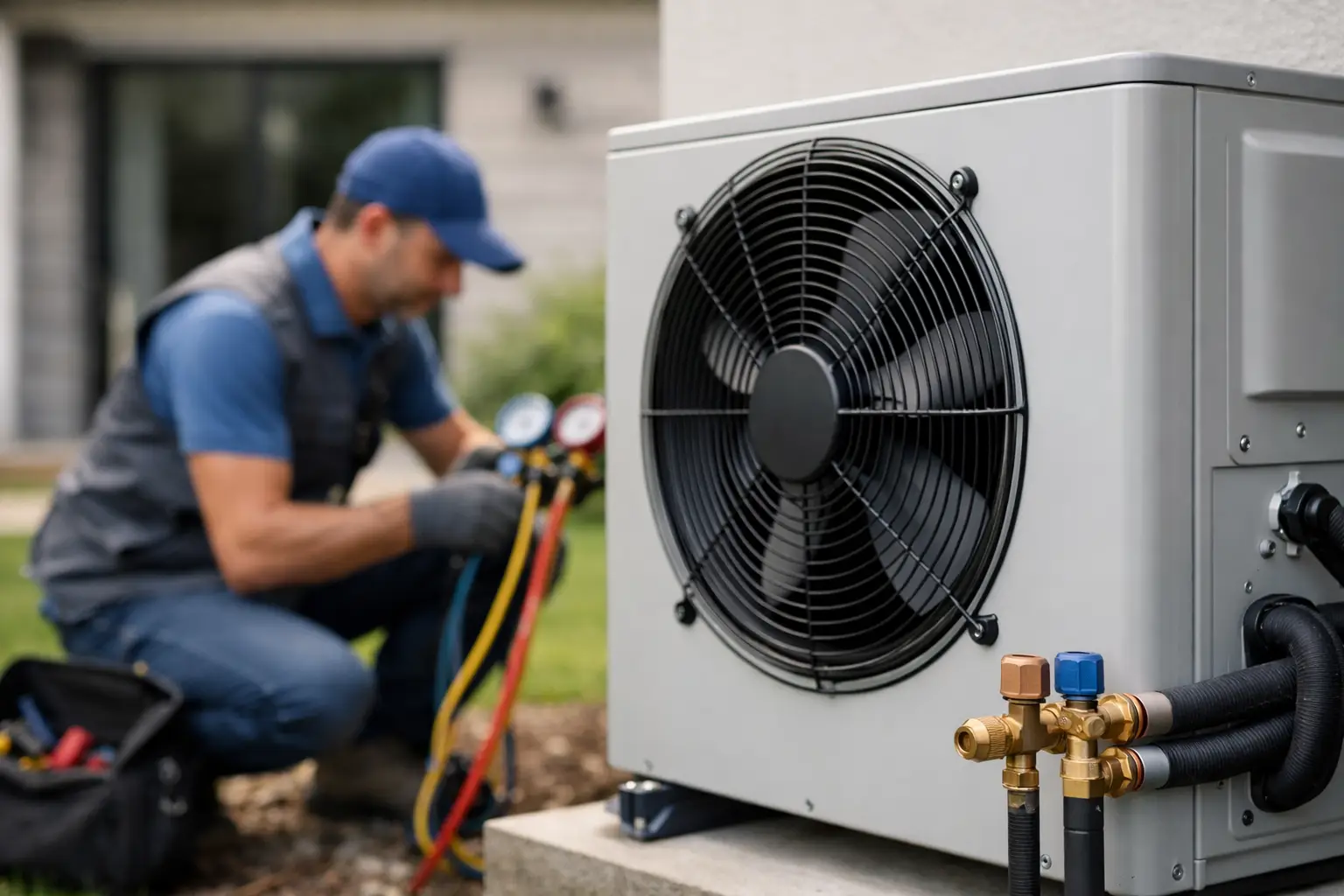
A furnace that heats well but leaves you relying on window AC every summer can cost more than it should. The biggest heat pump installation benefits come from replacing that two-system approach with one efficient system designed to provide dependable heating and cooling through the year.
For homeowners in Coquitlam, Metro Vancouver, and the Fraser Valley, a heat pump can be a practical upgrade when equipment is aging, utility bills are climbing, or certain rooms never feel comfortable. The right system does more than change the temperature. It can improve how evenly your home feels, reduce energy use, and give you better control over daily comfort.
Heat Pump Installation Benefits That Matter Every Day
A heat pump moves heat rather than creating it through combustion. In heating mode, it draws available heat from outdoor air and transfers it indoors. In cooling mode, it works much like an air conditioner, moving heat out of your home.
That process is why heat pumps can be highly efficient in the Lower Mainland’s generally moderate climate. Rather than maintaining a separate furnace and AC unit, you may be able to rely on one system for both major comfort needs.
Efficient heating and cooling from one system
The most immediate advantage is year-round operation. A properly selected heat pump delivers warm air in the colder months and cool, dehumidified air during summer heat. You do not need to schedule your comfort around two different pieces of equipment or wait until an old AC unit fails to address summer cooling.
For homes with electric baseboards, older furnaces, or an aging air conditioner, this can be a meaningful improvement. Actual energy savings depend on your current equipment, your home’s insulation, electricity and gas rates, thermostat habits, and the heat pump model. An in-home assessment is the best way to estimate the likely operating cost for your specific home.
More consistent room-to-room comfort
Many homeowners call for service because one level is too warm, bedrooms stay cold, or the living room is comfortable only when the thermostat is set higher than everyone wants. A heat pump installation can help address these issues when system sizing, airflow, and equipment placement are handled correctly.
Ducted heat pumps use your existing ductwork to distribute conditioned air throughout the home. Ductless mini-splits use wall-mounted indoor units and are particularly useful for additions, suites, older homes without ducts, or rooms that are difficult to heat and cool. Multi-zone systems can serve several areas independently, allowing family members to adjust comfort where they spend time.
A heat pump cannot fix every comfort issue by itself. Leaky ducts, poor insulation, undersized electrical service, and unsealed windows can still affect performance. A professional contractor should identify those concerns before recommending equipment.
Lower carbon emissions without giving up comfort
Heat pumps do not burn fuel inside the home. When replacing a gas-fired heating system, they can reduce direct on-site combustion and support a lower-emission home energy plan. For homeowners considering future energy upgrades, this can be an important long-term benefit.
The comfort change is often just as noticeable as the environmental one. Modern variable-speed heat pumps can run at lower, steadier output for longer periods instead of repeatedly starting and stopping at full capacity. That typically means gentler temperature changes, quieter operation, and fewer hot and cold swings.
Better Air Quality and Humidity Control
Cooling is not only about lowering the thermostat. On humid summer days, a heat pump removes moisture from indoor air as it cools. Lower humidity can make rooms feel more comfortable at a moderate temperature and may help reduce that damp, sticky feeling common in poorly ventilated spaces.
A heat pump also circulates air through compatible filtration equipment. Depending on your system, you may be able to add or upgrade filters, air cleaners, humidity controls, or indoor air quality monitoring. These additions can be helpful for households managing dust, pet dander, seasonal allergies, or stale indoor air.
Filtration is not a substitute for maintenance. Dirty filters, blocked outdoor units, and neglected coils reduce airflow and efficiency. Regular service protects comfort and helps your system operate as intended.
Modern Controls Can Make Energy Use Easier to Manage
A heat pump works best when its controls are set up for the home and the people living in it. Smart thermostats can provide scheduling, remote adjustments, maintenance reminders, and energy-use insights. Zoning can improve control in larger homes or properties with rooms that receive very different levels of sun.
The goal is not to constantly change the temperature. Heat pumps generally perform well with steady settings and modest adjustments. A qualified installer can explain the controls clearly, program the system correctly, and show you how to avoid settings that may increase energy use without improving comfort.
Rebates Can Improve the Value of an Upgrade
Upfront installation cost is often the first concern, and it should be. Heat pumps are a significant home investment, especially when a project includes ductwork changes, electrical upgrades, indoor air handlers, or multiple ductless heads.
Available rebate programs may reduce the initial cost for eligible equipment and homes. Requirements can change, and eligibility may depend on the system selected, your existing heating equipment, installation details, and program deadlines. It is wise to confirm potential incentives before approving the job, not after installation is complete.
Pro West Heating & Air Conditioning can help homeowners review equipment options and rebate requirements as part of a clear, practical recommendation. The best choice is not always the least expensive unit. It is the system that fits your home, budget, comfort expectations, and long-term operating needs.
What a Professional Heat Pump Installation Should Include
Heat pump performance depends heavily on installation quality. Installing an oversized unit can lead to short cycling and uneven comfort. Installing an undersized unit may leave the system working too hard during colder weather. Selecting equipment based only on square footage misses important details such as window exposure, insulation levels, ceiling height, duct condition, and how your family uses the home.
A thorough installation process should include a home evaluation, proper load calculations, equipment sizing, and a review of ducted versus ductless options. The installer should also inspect electrical capacity, select an appropriate outdoor-unit location, test refrigerant lines and drainage, and verify airflow and thermostat operation before the job is complete.
For colder periods, some homes benefit from a backup heat source. This may be electric backup heat, an existing furnace in a dual-fuel arrangement, or another solution based on the home’s design and local winter conditions. Cold-climate heat pumps can operate effectively at low outdoor temperatures, but the right approach depends on the model and the building.
When a Heat Pump May Not Be the Best Standalone Answer
A heat pump is an excellent fit for many homes, but not every project calls for the same solution. If your furnace is new and your main concern is summer cooling, adding a heat pump in a dual-fuel setup may make more sense than replacing everything. If your home relies on a boiler and radiant heating, a ductless heat pump may be used to add cooling and supplement heating in key areas rather than replace the entire system.
Homes with major air leaks or inadequate insulation may see better results by addressing the building envelope alongside the HVAC upgrade. In some cases, repairing ducts or improving attic insulation first can help a new heat pump deliver the comfort and savings you expect.
A heat pump should feel like a well-planned improvement, not a gamble. Start with a professional in-home assessment, ask how the system will perform in your specific layout, and request clear information about equipment, rebates, installation scope, and ongoing maintenance. That preparation gives you a better chance of enjoying reliable comfort in every season.