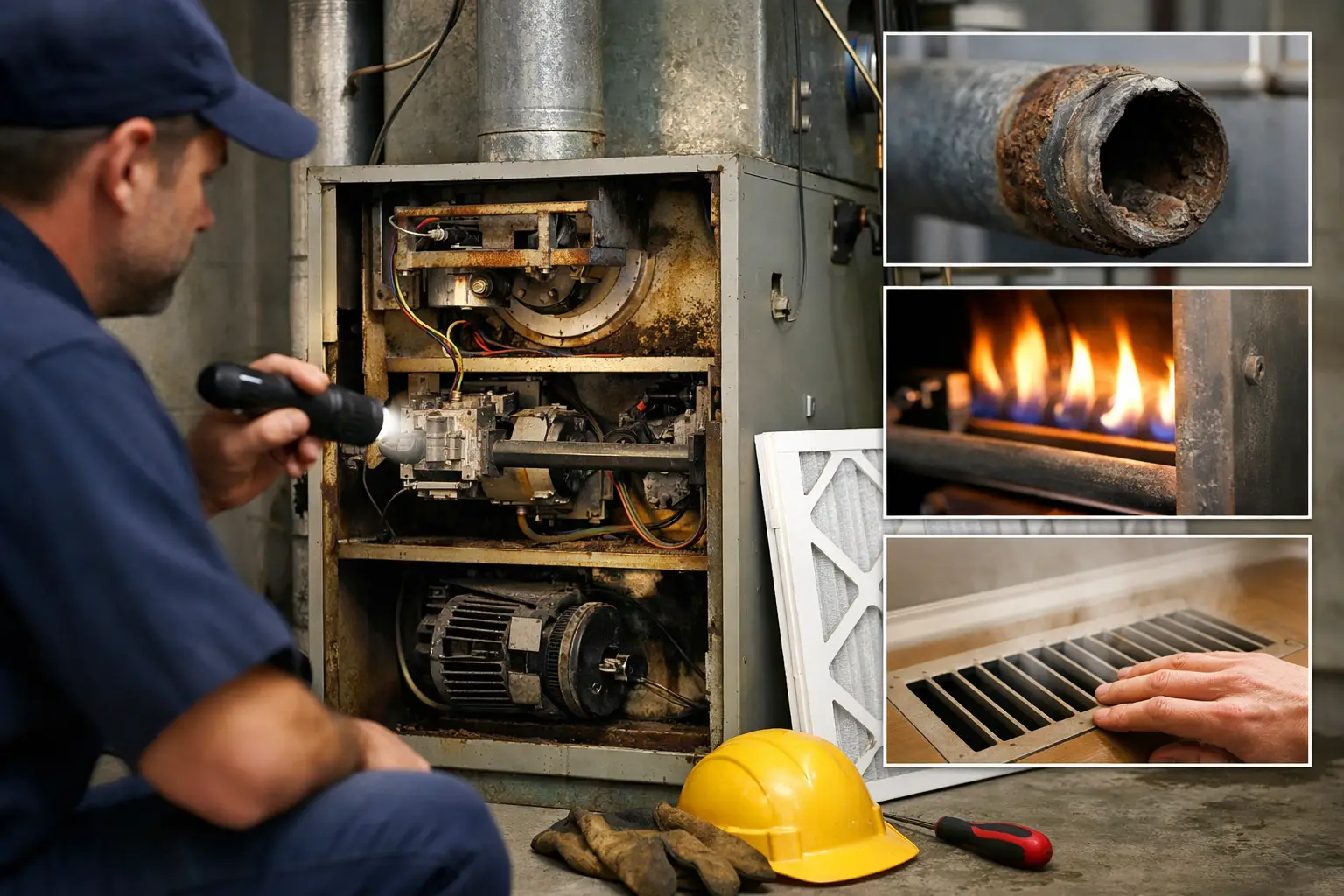
A furnace rarely chooses a convenient time to fail. It usually starts with a cold bedroom, an unfamiliar noise in the basement, or a repair bill that arrives just when you are counting on a quiet winter. If you are asking, when should I replace my furnace, the answer depends on more than its age. Reliability, repair history, safety, comfort, and operating cost all matter.
A well-timed furnace replacement gives you control over the decision. Waiting until the system stops completely can mean fewer equipment choices, rushed installation decisions, and a colder home while you wait. Here are the signs that it may be time to plan ahead.
When Should I Replace My Furnace? Start With Its Age
Most gas furnaces provide about 15 to 20 years of service when they receive regular professional maintenance. Some last longer, while others wear out sooner because of heavy use, neglected filter changes, poor installation, or unresolved repair issues.
Age alone does not mean your furnace needs immediate replacement. A 16-year-old furnace that heats evenly, runs safely, and has had minimal repairs may still have useful life left. But once a furnace is around 15 years old, it is smart to start comparing the cost of continued repairs with the value of a newer, more efficient system.
Older equipment is also more likely to have discontinued parts or components that are expensive to source. Planning before a breakdown lets you choose the right furnace for your home instead of accepting whatever is available during an emergency.
8 Signs Your Furnace May Be Ready for Replacement
1. Repairs Are Becoming Frequent or Expensive
One repair does not automatically justify a replacement. Furnaces have serviceable parts, and a targeted repair can be the sensible choice, especially on a newer unit. The concern begins when breakdowns become a pattern.
If you have needed multiple repairs over the last two heating seasons, ask for a clear estimate of the likely next repairs and the remaining life of the furnace. As a practical guideline, consider replacement when a major repair costs close to half the price of a new system, particularly if the furnace is already beyond the 15-year mark.
2. Your Heating Bills Keep Rising
A sudden utility bill increase can come from weather, insulation gaps, thermostat settings, or ductwork issues. But if your heating costs have climbed steadily while your household habits have stayed the same, an aging furnace may be losing efficiency.
Older furnaces can waste a meaningful portion of the fuel they consume. Modern high-efficiency systems are designed to convert more fuel into usable heat, which can reduce energy waste and deliver more consistent comfort. The exact savings depend on your home, fuel rates, insulation, and the efficiency of the equipment being replaced.
3. Rooms Are Unevenly Heated
A furnace that runs but cannot keep the home comfortable is not doing its job well. You may notice a warm living room but chilly bedrooms, cold spots near exterior walls, or a second floor that never seems to reach the thermostat setting.
Uneven temperatures do not always mean you need a new furnace. Restricted airflow, leaky ducts, an incorrectly sized system, or a thermostat issue can cause similar symptoms. A professional assessment should identify the real source of the problem before you invest in replacement equipment. If the furnace is undersized, oversized, or no longer capable of meeting your home’s needs, replacement may be the more dependable solution.
4. The Furnace Runs Constantly or Short Cycles
A healthy furnace should cycle on, heat the home, and shut off normally. If it runs for long stretches without bringing rooms up to temperature, it may be losing capacity or efficiency. If it turns on and off every few minutes, known as short cycling, it may be overheating, improperly sized, or experiencing a control or airflow problem.
Some cycling issues can be repaired. However, frequent cycling puts added strain on components and can lead to higher energy use. An experienced technician can tell you whether the issue is a practical repair or evidence that the system is nearing the end of its service life.
5. You Hear New or Persistent Noises
Furnaces are not silent, but you should pay attention to banging, rattling, squealing, scraping, popping, or a loud rumbling when the burner starts or stops. These sounds can point to loose components, blower motor trouble, ignition issues, or expanding and contracting ductwork.
The key is change. If a familiar furnace suddenly sounds different, schedule service rather than hoping the noise goes away. Catching a repair early may extend the life of your equipment. Ignoring it can turn a minor component issue into a larger failure.
6. Indoor Air Feels Drier, Dustier, or Less Comfortable
Your furnace affects more than temperature. Weak airflow and aging components can contribute to dust circulation, stale rooms, and inconsistent humidity. If family members are noticing more dust, dry air, or persistent hot and cold zones, your heating system deserves a closer look.
A replacement furnace may be part of the answer, but it is not the only possible fix. Filtration, duct condition, ventilation, humidification, and thermostat controls all influence indoor comfort. A complete home comfort evaluation helps ensure you are solving the actual problem, not simply replacing equipment.
7. The Burner Flame Is Yellow Instead of Blue
A gas furnace should generally produce a steady blue flame. A yellow, flickering flame can indicate a combustion issue and should be checked promptly by a licensed HVAC professional. Soot around the furnace, excess moisture on windows, rust on venting, or a stale burning smell are also warning signs that should not be ignored.
Install carbon monoxide detectors on every level of your home and test them regularly. If a detector alarms, leave the home immediately, call emergency services or your gas utility as appropriate, and do not re-enter until it is safe. Comfort can wait. Household safety cannot.
8. Your Furnace Cannot Support Your Home’s Future Needs
A furnace that was right for your home years ago may not be right today. A finished basement, home addition, changing family needs, updated windows, or plans to add cooling can all change the heating load. You may also want a quieter system, better temperature control, smart thermostat compatibility, or improved energy efficiency.
Replacement is an opportunity to select equipment based on how you live now. Proper sizing matters more than simply choosing the largest unit. An oversized furnace can short cycle, while an undersized one may run constantly during cold weather. A professional load calculation and in-home assessment lead to a better long-term result.
Repair or Replace: How to Make the Right Call
The best choice is not always replacement. For a furnace under 10 years old with a minor, isolated issue, repair is often the most cost-effective path. Regular maintenance, a clean filter, and timely repairs can protect your investment for years.
Replacement becomes more compelling when several factors show up at once: the furnace is older, repairs are recurring, utility costs are rising, comfort is uneven, and a major component has failed. Rather than focusing only on the immediate repair price, consider what you are likely to spend over the next few years and what you gain from improved reliability and efficiency.
Ask your HVAC contractor to explain the options in plain language. You should understand the repair scope, the expected remaining life of your current furnace, replacement choices, installation requirements, warranty coverage, and any available rebate opportunities. A clear estimate makes it easier to compare short-term cost with long-term value.
What to Do Before Your Furnace Fails
The easiest time to make a furnace decision is before you are without heat. Schedule annual maintenance before heating season, replace filters on schedule, and keep the area around your furnace clear. If your system is approaching the end of its expected lifespan, request an assessment while it is still operating.
For homeowners in Coquitlam, Metro Vancouver, and the Fraser Valley, Pro West Heating & Air Conditioning can assess your current furnace, explain repair and replacement options, and help identify energy-efficient upgrades and applicable rebates. The goal is not to replace a furnace that can be repaired. It is to help you avoid an avoidable breakdown and make a confident choice when replacement is the better investment.
If your furnace is older, noisier, less reliable, or simply no longer keeping your family comfortable, do not wait for the next cold night to force the decision. A professional evaluation now can give you a clear path forward and a warmer, more dependable home when you need it most.