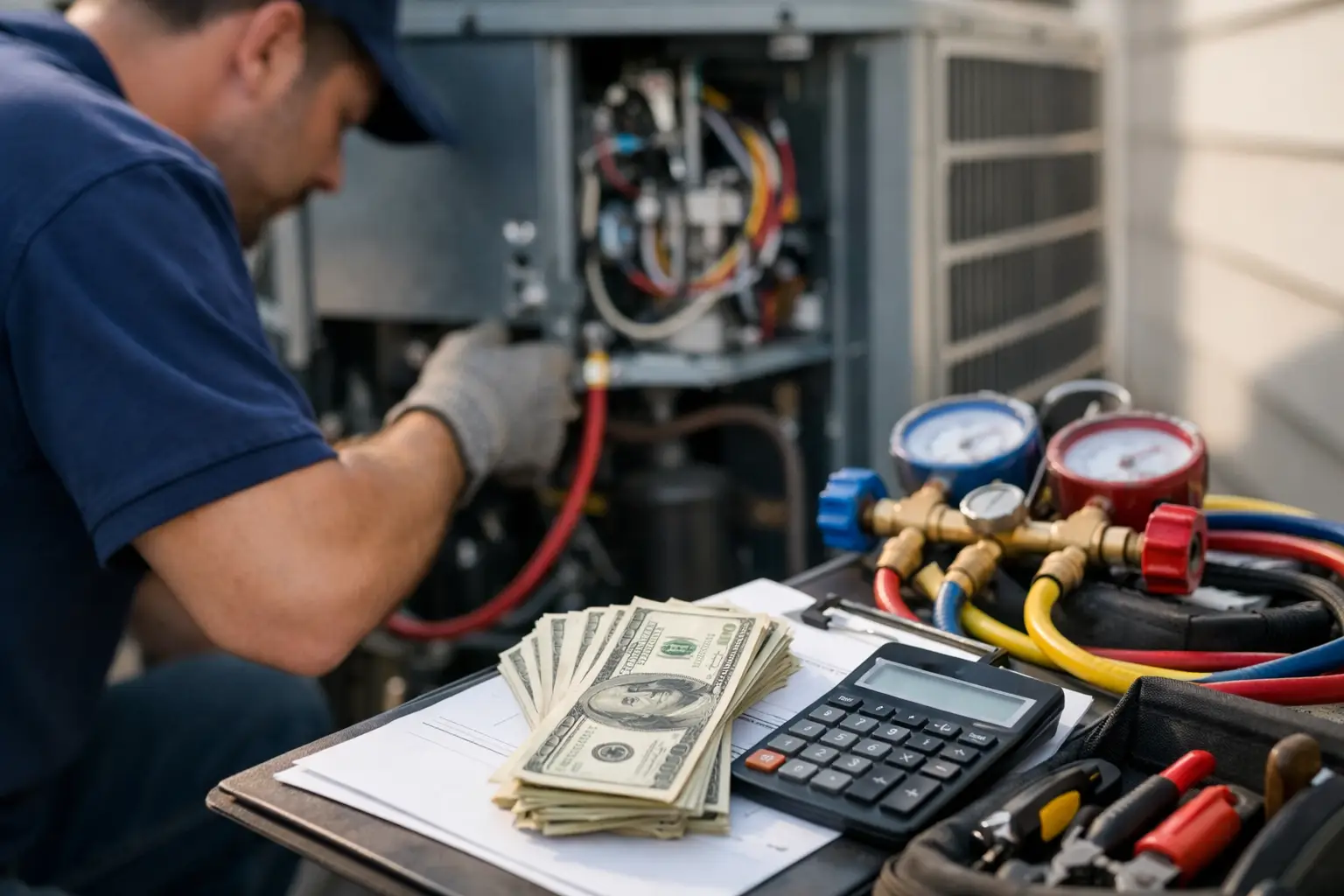
A furnace that stops on a freezing night, an air conditioner that quits during extreme heat, or a leaking water heater can turn into an urgent household problem fast. Emergency HVAC repair cost is often higher than a scheduled service call, but the right response can protect your family, prevent property damage, and keep a small failure from becoming a much larger repair.
The key is knowing what qualifies as an emergency, what factors affect the bill, and when it is safe to wait for regular business hours. A qualified technician should explain the problem clearly, present practical repair options, and help you make a decision based on safety, comfort, and the condition of your equipment.
What is the typical emergency HVAC repair cost?
Most emergency calls include a diagnostic fee plus labor and parts. For a residential system, homeowners may see a total emergency repair bill ranging from roughly $250 to $1,500 or more. A straightforward electrical repair, thermostat issue, clogged drain, or minor furnace component replacement may fall near the lower end. Major repairs involving a compressor, blower motor, control board, heat exchanger concern, or extensive water damage can cost considerably more.
The exact number depends on the system and the failure. A furnace that needs an igniter or flame sensor is a very different job from a boiler with a failed circulator pump. An air conditioner that needs a capacitor is usually less expensive to restore than one with a refrigerant leak and a damaged compressor.
Emergency availability also affects pricing. After-hours, weekend, holiday, and overnight calls commonly carry a higher service fee because a technician is being dispatched outside normal scheduling windows. That premium can be worthwhile when there is no heat in unsafe temperatures, no cooling during dangerous heat, a possible gas issue, or active water leakage.
The biggest factors behind emergency repair pricing
A service company cannot responsibly quote every repair over the phone because the visible symptom is not always the actual failure. Still, understanding the main cost drivers can make the estimate easier to evaluate.
Timing and dispatch
A same-day weekday call is generally less costly than a late-night, weekend, or holiday dispatch. Emergency service pricing accounts for immediate scheduling, travel, and the need to have qualified help available when most businesses are closed. Ask whether the diagnostic charge is applied toward the repair if you approve the work. That detail can make a meaningful difference in the final bill.
System type and accessibility
Furnaces, heat pumps, central air conditioners, boilers, radiant systems, and tankless water heaters all use different components and require different diagnostic procedures. Access matters too. Equipment installed in a tight crawlspace, attic, rooftop location, or finished mechanical room may require more labor than an easily accessible unit.
The failed part
Small, common components such as capacitors, contactors, pressure switches, sensors, relays, and igniters are often quicker to replace. Motors, control boards, refrigerant-related components, gas valves, and major boiler parts can be more expensive and may require additional testing to confirm that the replacement resolves the underlying issue.
Part availability can also affect the outcome. A technician may be able to restore safe temporary operation or recommend a short-term solution if a specialized part is not immediately available. In other cases, waiting is not appropriate, especially when the system presents a safety risk or cannot provide essential heating.
Age and condition of the equipment
Repairing a newer, well-maintained system is often a sensible choice. On an older unit with recurring failures, poor efficiency, or an obsolete part, a large emergency repair can change the conversation. The question is not simply, “Can it be fixed?” It is whether the repair is likely to provide reliable value for the money.
A trustworthy technician should separate the immediate fix from the longer-term recommendation. You may decide to repair the unit today and plan replacement later. Or, if the system is near the end of its useful life and the repair is substantial, replacing it may be the better financial move.
When an HVAC problem is truly an emergency
Not every comfort issue requires an overnight dispatch, but some situations should never wait. Call for emergency help and take appropriate safety steps if you notice:
- A gas smell, suspected carbon monoxide issue, smoke, sparks, or repeated breaker trips
- No heat during severely cold conditions, particularly with children, seniors, or medically vulnerable occupants at home
- A major water leak from a boiler, water heater, or HVAC system that could damage floors, walls, or electrical components
- No cooling during dangerous heat when indoor temperatures may create a health concern
If you smell gas, leave the home if necessary, avoid switches or open flames, and contact your gas utility or emergency services according to local guidance. If a carbon monoxide alarm sounds, get everyone outside and call emergency services. Do not wait for an HVAC technician to diagnose a potential life-safety emergency.
A noisy system, reduced airflow, uneven temperatures, or an AC unit that is struggling on a mild day may be able to wait until regular hours. Shut the equipment down if it is making loud mechanical noises, leaking heavily, or repeatedly tripping a breaker. Continuing to run a failing unit can increase damage.
How to avoid unnecessary emergency charges
Before requesting service, check the basics only if it is safe to do so. Confirm that the thermostat has power and is set to heat or cool, check that the furnace or air handler switch is on, and look at the electrical panel for a tripped breaker. Replace a visibly clogged air filter if you have the correct size available. For an air conditioner, make sure the outdoor unit is clear of leaves, snow, or other debris.
Do not remove equipment panels, reset breakers repeatedly, add refrigerant, or attempt to relight equipment without proper training. These steps can create safety hazards or make diagnosis more difficult. If you have a boiler or water heater leak, locate the water shutoff only if you can do it safely, then place towels or a container beneath a minor drip while help is on the way.
When you call, share the equipment type, make and model if available, the error code, when the problem started, and any sounds, odors, leaks, or thermostat behavior you noticed. Clear information helps the dispatcher send the right technician and gives that technician a better starting point when they arrive.
Getting value from an emergency service visit
The lowest upfront price is not always the lowest total cost. A repair that addresses only the symptom may lead to another service call days later. Ask the technician what failed, why it likely failed, whether there is any related damage, and what the repair includes. You should also ask whether labor and replacement parts carry a warranty.
For costly repairs, request a clear comparison between repair and replacement. Consider the system’s age, recent repair history, expected efficiency, and whether a replacement could reduce operating costs. Some high-efficiency equipment upgrades may qualify for local utility or energy-efficiency incentives, which can change the math. A service professional can help identify available options without pressuring you into a decision during a stressful moment.
Pro West Heating & Air Conditioning provides residential emergency service for heating, cooling, and hot water equipment, with licensed technicians prepared to diagnose issues across major brands. The goal of an emergency visit should be simple: restore safe, dependable comfort and give you a clear path forward.
Preventing the next after-hours breakdown
The most affordable emergency repair is the one you never need. Seasonal maintenance helps identify worn electrical components, dirty burners, drainage issues, weak capacitors, restricted airflow, and safety concerns before extreme weather puts the system under its heaviest load.
Change filters on schedule, keep outdoor equipment clear, pay attention to new noises, and do not ignore short cycling or steadily rising utility bills. Those signals do not always mean a major failure is coming, but they are worth investigating before they force an after-hours decision.
When comfort or safety is on the line, act quickly, ask direct questions, and choose a qualified contractor who treats your home with urgency and care. A clear diagnosis today can protect your budget and your peace of mind tomorrow.