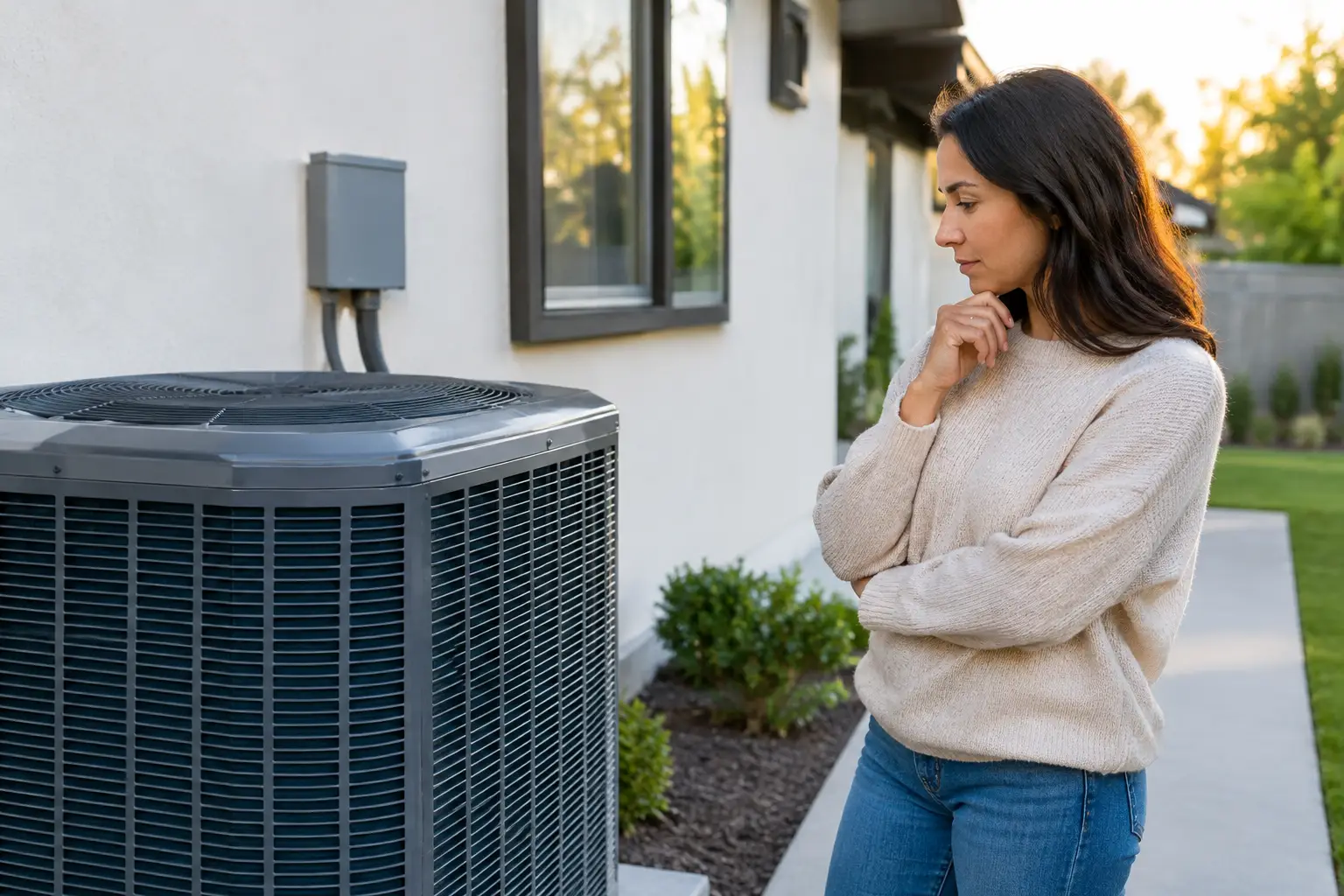
A furnace that is nearing the end of its life, uneven temperatures between rooms, and rising gas bills can turn a routine replacement into a bigger home-comfort decision. Residential HVAC electrification means replacing some or all fossil-fuel-powered heating and hot water equipment with efficient electric alternatives, most often heat pumps and electric water heaters. For many homeowners, it is a practical way to improve year-round comfort while preparing the home for lower-energy operation.
But electrification is not a one-size-fits-all upgrade. The right plan depends on your existing equipment, electrical capacity, home layout, insulation, budget, and the incentives available in your area. A qualified assessment helps you choose equipment that fits your home instead of simply choosing the newest option.
What Residential HVAC Electrification Means
Residential HVAC electrification shifts the systems that heat, cool, and provide hot water in your home toward electricity. It does not necessarily mean removing every gas appliance at once. Some homeowners start with a heat pump for heating and cooling, then replace a conventional gas water heater later. Others need an immediate replacement after a breakdown and use that opportunity to make a larger change.
The most common electrification upgrades include an air-source heat pump, a ductless mini-split heat pump, a heat pump water heater, or an electric tankless water heater. Homes with boilers, radiant heating, furnaces, fireplaces, and older air conditioners may have different paths forward. The best option is based on how your home currently delivers heat.
A heat pump is often the centerpiece of an electrification plan because it both heats and cools. Instead of generating heat by burning fuel, it moves heat between the outdoors and indoors. That approach can provide efficient heating during mild winter conditions and dependable air conditioning when summer temperatures rise.
Why Homeowners Are Considering Electric Upgrades
Comfort is usually the first benefit homeowners notice. A properly sized and installed heat pump can provide more even temperatures, quiet operation, and cooling from the same system. Ductless units can also solve persistent cold or hot spots in additions, upper floors, suites, and rooms that never seem to match the thermostat setting.
Efficiency matters too. Older furnaces, boilers, and air conditioners may still run, but they can use more energy than necessary and may require increasingly frequent repairs. Replacing aging equipment before it fails gives you time to compare options, plan electrical work if needed, and explore available rebates rather than making a rushed decision during a winter no-heat emergency.
Electrification can also reduce a home’s reliance on combustion equipment. That may be attractive for households looking to move away from gas service over time. Still, the financial outcome depends on local electricity and gas rates, the efficiency of the equipment being replaced, and how well the home retains heat. Savings should be estimated for your specific home, not promised as a blanket result.
Is a Heat Pump a Good Fit for Your Home?
For many homes in the Lower Mainland, a heat pump is a strong choice because the climate is generally moderate. Modern cold-climate heat pumps can operate effectively in low outdoor temperatures, but installation details matter. Capacity, duct design, refrigerant line placement, thermostat setup, and airflow all affect comfort and performance.
A home with existing ductwork may be able to use a central ducted heat pump. This can replace both an aging furnace and air conditioner while using much of the existing distribution system. Before installation, the ductwork should be inspected for leaks, restrictions, poor sizing, and uneven airflow. A high-efficiency system cannot perform at its best when the ducts are working against it.
Homes without ducts often benefit from ductless mini-splits. One outdoor unit connects to one or more indoor heads, allowing room-by-room temperature control. This setup can work especially well for older homes, renovations, suites, and spaces where installing new ductwork would be disruptive.
Some households prefer a dual-fuel approach. In this setup, the heat pump handles most heating and cooling, while a gas furnace supports the system during very cold weather or peak-demand periods. It may not be full electrification, but it can be a sensible transition when a homeowner wants greater efficiency without replacing every component at once.
Hot Water Is Often the Next Step
Heating and cooling get most of the attention, but hot water is a major part of household energy use. A heat pump water heater pulls heat from the surrounding air to heat stored water. It can be highly efficient, particularly when installed in a garage, utility room, or other space with enough air volume and appropriate drainage.
There are trade-offs to consider. Heat pump water heaters can cool and dehumidify the room around them, which may be helpful in some locations and less desirable in others. They also need space, produce some operating sound, and recover hot water differently than a high-output gas unit. A household with frequent back-to-back showers, a large family, or a soaker tub may need careful tank sizing and setup.
Electric tankless water heaters are another option, but they can require substantial electrical capacity. In many homes, a tank-style heat pump water heater is the more practical electrification choice. The right recommendation starts with your daily hot water use, not just the size of the old tank.
Your Electrical Panel and Home Envelope Matter
Electrification is not simply an equipment swap. Before selecting a system, your contractor should review the electrical panel, available breaker space, service capacity, and the electrical demands of other major appliances. An older panel may need upgrades to safely support a heat pump, electric water heater, induction range, EV charger, or other new loads.
Your home’s insulation and air sealing deserve attention as well. Drafty windows, attic heat loss, and unsealed gaps can make any heating system work harder. Improving the building envelope may allow for a smaller, more cost-effective heat pump and better comfort in every season.
This does not mean you must renovate the entire home before installing a heat pump. It means the installation should account for the home’s actual heat loss. Proper load calculations are more reliable than choosing equipment based only on square footage or the size of the system being replaced.
How to Plan an Electrification Project Without Guesswork
The most effective approach is to plan around equipment timing. If your furnace, boiler, air conditioner, or water heater is still reliable, you have time to evaluate a phased upgrade. If a system is failing, a professional can help identify the best replacement path quickly while still looking at long-term operating costs and available incentives.
Start with an in-home evaluation. The assessment should consider your current equipment, comfort concerns, insulation, ducts or radiant system, electrical capacity, hot water needs, and future plans for the property. For example, a homeowner planning a suite, renovation, or EV charger may want to coordinate electrical upgrades now rather than repeat work later.
Then compare the full project cost, not just the equipment price. That includes installation, electrical work, possible duct modifications, controls, permits, maintenance requirements, and rebate eligibility. Rebate programs can change, and requirements often depend on equipment ratings, installation standards, and pre-approval steps. Professional guidance can help prevent missed opportunities.
Finally, protect the investment with maintenance. Heat pumps, air handlers, filters, condensate drains, and water heating equipment all need periodic service. Regular maintenance supports efficiency, catches small issues early, and helps keep comfort consistent when you need it most.
Get a Plan That Fits Your Home
Residential HVAC electrification can be a smart upgrade, but the best result comes from matching the system to the house and the people living in it. Pro West Heating & Air Conditioning can assess your heating, cooling, hot water, and electrical considerations, explain practical options, and help you make sense of efficiency upgrades and rebate opportunities.
A thoughtful plan today can prevent an emergency replacement tomorrow, while giving your home a clearer path to dependable comfort in every season.