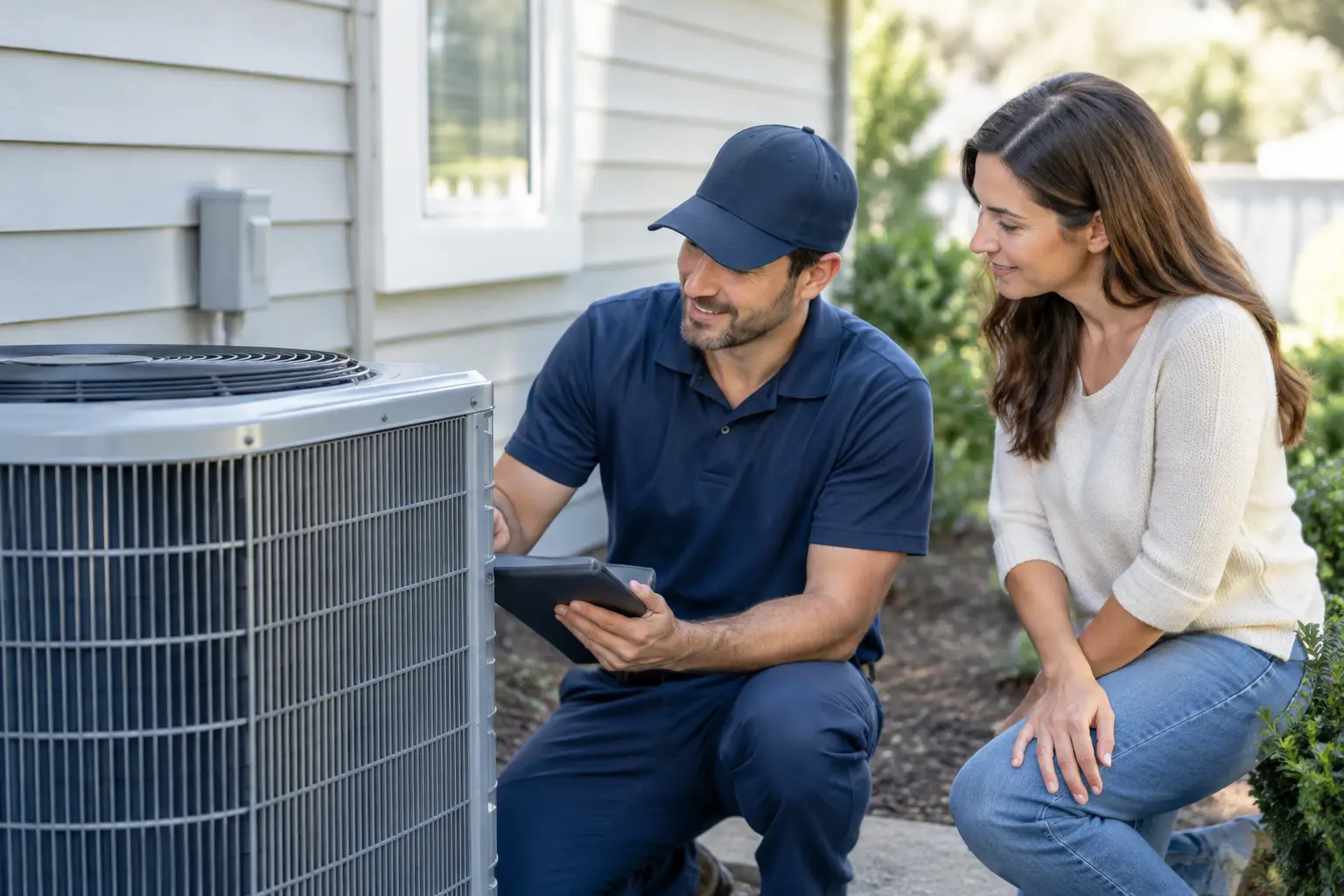
A new furnace, air conditioner, heat pump, or water heater should make your home more comfortable, not leave you guessing about an expensive repair a few years later. HVAC warranties can provide valuable protection, but only when you understand what they cover, what they do not cover, and what you need to do to keep coverage valid.
The details matter. A 10-year parts warranty may sound reassuring, but it may not include labor, diagnostic visits, refrigerant, shipping, or damage caused by a maintenance issue. Before you choose equipment or approve an installation, take a few minutes to look beyond the headline warranty term.
What HVAC Warranties Usually Cover
Most new residential HVAC systems come with a manufacturer warranty. This is the warranty provided by the company that made the equipment, and it generally covers replacement parts that fail because of a manufacturing defect.
Coverage differs by brand, model, and product type. A furnace may have separate coverage periods for the heat exchanger and other components. An air conditioner or heat pump may cover the compressor for longer than smaller electrical components. Tankless water heaters, boilers, and conventional water heaters can have their own warranty structures for heat exchangers, tanks, controls, and parts.
A manufacturer warranty is not a promise that every future service call will be free. If a covered part fails, the part itself may be supplied at no charge. The homeowner can still be responsible for labor to diagnose the issue, remove the failed part, install the replacement, and test the system.
That distinction is one of the most common surprises homeowners encounter. Parts coverage protects against the cost of the component. Labor coverage protects against much of the cost of the repair work. They are related, but they are not the same thing.
The Difference Between Parts, Labor, and Installation Coverage
When comparing HVAC warranties, ask for a clear explanation of all three coverage categories.
Manufacturer parts warranty: This typically covers eligible parts with manufacturing defects for a stated period. Terms often require product registration after installation.
Labor warranty: This is often provided by the installing contractor or purchased as an additional protection plan. It can cover some or all labor charges associated with a covered repair during a defined period.
Installation or workmanship warranty: This covers issues tied to the contractor’s installation work, such as a connection, setup, or installation-related error. It does not replace the manufacturer’s warranty, and it does not cover normal wear and tear.
A good installation matters because even high-quality equipment can have comfort, efficiency, and reliability problems if it is not sized, configured, or commissioned correctly. The right contractor will explain the system, document the work, and stand behind the installation.
Registration Can Change Your Coverage
Many equipment manufacturers offer a standard warranty period and a longer registered warranty period. Registration is usually completed shortly after installation and may require the model number, serial number, installation date, and homeowner contact information.
Missing the registration window can reduce the length of coverage. Do not assume this step has been handled unless you receive confirmation. During installation, ask who will register the equipment and request a copy of the completed registration for your records.
Keep a simple home-comfort file with your invoice, model and serial numbers, warranty confirmation, maintenance records, and any repair documentation. This saves time during a service call and can be especially helpful if you sell your home. Some warranties transfer to a new owner, while others do not or require paperwork and a transfer fee.
What Can Void an HVAC Warranty?
Warranty language can feel overly technical, but the conditions behind it are usually practical. Manufacturers expect the equipment to be installed and maintained according to their requirements. Coverage may be limited or denied when failure is connected to improper installation, neglected maintenance, unapproved modifications, or damage from an outside cause.
For example, a clogged filter can restrict airflow and put unnecessary strain on a furnace, air handler, or heat pump. Dirty outdoor coils can reduce cooling performance and force an air conditioner to work harder. A boiler that is not properly maintained may develop problems that routine service could have identified early.
Common warranty exclusions may include:
- Normal wear items, such as filters and some consumable components
- Damage from electrical surges, flooding, pests, fire, or physical impact
- Problems caused by incorrect sizing, poor ductwork, or an incompatible thermostat
- Repairs performed with unauthorized or non-approved parts
- Lack of required maintenance where the manufacturer specifies service intervals
- Costs related to access, disposal, shipping, refrigerant, or diagnostic visits
These exclusions do not mean a warranty is not valuable. They simply mean warranties work best as one part of a sensible plan for protecting your home equipment.
Why Maintenance Supports Warranty Protection
Regular maintenance is one of the most practical ways to protect your investment. It helps identify loose electrical connections, drainage issues, combustion concerns, airflow restrictions, refrigerant performance problems, and worn components before they turn into a no-heat or no-cooling emergency.
For homeowners, maintenance also provides a record that the system has been professionally cared for. While every manufacturer has different requirements, documented service can be useful if a warranty question arises later.
A typical annual checkup is especially important before the season when you rely most heavily on the system. Schedule heating service before cold weather and cooling service before the hottest part of summer. Homes with boilers, heat pumps, fireplaces, tankless water heaters, or radiant heating may need equipment-specific attention as well.
Between visits, replace filters on schedule, keep outdoor equipment clear of leaves and debris, and pay attention to changes in noise, cycling, temperature consistency, or utility bills. Small changes can be an early warning that your system needs service.
Extended Warranties: Are They Worth It?
An extended labor warranty or protection plan can be a smart choice for some households, particularly when installing high-efficiency equipment with advanced controls and variable-speed components. It can offer predictable repair costs and added peace of mind after the contractor’s standard labor coverage ends.
Whether it is worthwhile depends on the plan terms and your priorities. Review the length of coverage, deductible or trip charges, annual limits, excluded components, transferability, and whether routine maintenance is required. Also ask whether the plan covers labor only or includes other expenses that often accompany a repair.
For a homeowner planning to stay in the home for many years, longer labor protection may make sense. For someone preparing to move soon, a strong manufacturer parts warranty and reliable installation may be enough. There is no single right answer, but there should be no ambiguity about what you are buying.
Questions to Ask Before You Approve an Installation
You do not need to become an HVAC expert to make a confident decision. Ask the contractor which warranty applies to the exact model being quoted, whether registration is included, and what the labor warranty covers. Request the terms in writing rather than relying on a verbal description.
It is also wise to ask what maintenance is recommended, whether the warranty can transfer to a future homeowner, and who to call if the system stops working after installation. If rebates are part of your upgrade decision, confirm that the proposed equipment and installation approach meet the applicable program requirements before work begins.
At Pro West Heating & Air Conditioning, homeowners can get clear guidance on equipment options, installation expectations, maintenance needs, and warranty coverage before moving forward. A straightforward conversation now can prevent confusion when you need service later.
A Warranty Is Strongest When the System Is Installed Right
The best warranty cannot make up for a system that is poorly matched to the home. Equipment should be selected based on your home’s size, insulation, ductwork, existing infrastructure, comfort goals, and budget. An oversized air conditioner may short-cycle, while an undersized furnace may struggle during cold weather. Both situations can affect comfort, efficiency, and component life.
Choose a qualified contractor that can evaluate the full system rather than simply replace one box with another. Proper installation, accurate setup, and ongoing service give your warranty the best chance to do what it is meant to do: reduce the financial stress of an unexpected equipment defect.
Keep your paperwork, maintain your equipment, and ask direct questions before you buy. Those simple steps can turn a warranty from fine print into meaningful protection for your home’s comfort.