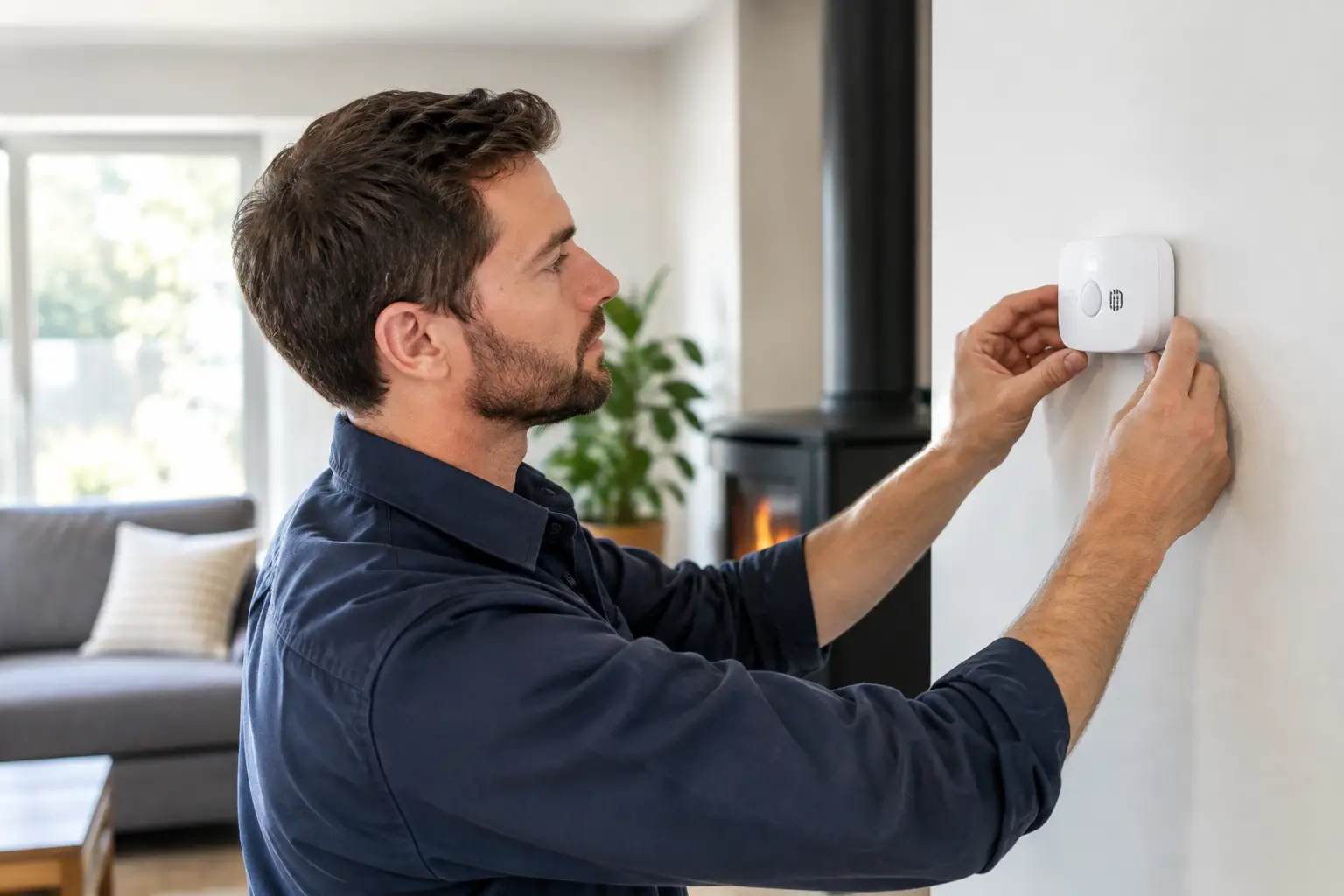
A carbon monoxide alarm is not a nuisance to silence and investigate later. It is a warning to act immediately. This guide to carbon monoxide prevention gives homeowners practical ways to reduce risk around furnaces, boilers, water heaters, fireplaces, and other fuel-burning equipment – and explains exactly what to do if an alarm sounds.
Carbon monoxide, often called CO, is an odorless, colorless gas created when fuels such as natural gas, propane, oil, wood, charcoal, or gasoline do not burn completely. Because you cannot see or smell it, prevention relies on working alarms, properly vented equipment, and professional maintenance.
Why carbon monoxide can build up at home
Most homes with combustion appliances operate safely every day. Problems begin when exhaust cannot leave the home as intended, when an appliance is malfunctioning, or when there is not enough combustion air. A cracked heat exchanger, blocked chimney, loose vent connection, damaged flue pipe, or poorly adjusted burner can all create a serious risk.
Common household sources include gas furnaces, boilers, water heaters, gas fireplaces, wood-burning fireplaces, gas ranges, attached garages, portable generators, charcoal grills, and vehicles left running near the home. Electric heating equipment does not produce carbon monoxide, but any appliance that burns fuel needs correct installation, venting, and service.
Winter raises the stakes. Windows stay closed, furnaces run longer, and snow, ice, leaves, nests, or debris can obstruct exterior vents. That does not mean CO is only a cold-weather concern. A blocked water-heater vent or an idling vehicle in an attached garage can create danger at any time of year.
Carbon monoxide prevention starts with working alarms
CO alarms are your home’s early-warning system. Install them on every level of the home, outside sleeping areas, and wherever required by local code. If bedrooms are spread across different areas, alarms should be close enough that occupants can hear them while sleeping.
Follow the manufacturer’s placement instructions rather than guessing. Keep alarms away from direct steam, excessive humidity, and spots where cooking fumes may cause false alerts. Do not install one right beside a fuel-burning appliance unless the manufacturer specifically permits it. The goal is reliable detection, not an alarm that gets disabled because it chirps or sounds unnecessarily.
Test each alarm monthly using its test button. Replace batteries according to the manufacturer’s schedule, and replace the entire unit when it reaches the end of its service life. Many CO alarms need replacement after five to 10 years, depending on the model. Check the label on the back rather than relying on memory.
A plug-in alarm can be useful, but hardwired alarms with battery backup offer added protection during a power outage. Interconnected alarms can also be a smart choice in larger homes because one activated alarm alerts the entire household.
If a carbon monoxide alarm sounds, get outside
Treat a CO alarm as a real emergency. Do not assume it is a low battery warning. Low-battery chirps are usually brief, periodic sounds, while an active carbon monoxide alarm follows its emergency alarm pattern. When in doubt, leave the home.
Move everyone outside into fresh air immediately, including pets. Call 911 or your local emergency services from outside, especially if anyone feels ill. Do not reenter the home until emergency responders say it is safe. Do not open windows and then stay inside to search for the source, and do not turn appliances on or off while investigating.
Symptoms of CO exposure can resemble the flu or food poisoning. Watch for headache, dizziness, nausea, weakness, confusion, chest pain, shortness of breath, or fainting. Symptoms that improve outdoors may point to a carbon monoxide problem. Infants, older adults, pregnant people, and people with heart or respiratory conditions may be affected more quickly.
Once the immediate danger is addressed, have the suspected appliance and venting system inspected by a qualified HVAC professional before using it again. Resetting the alarm without finding the cause leaves your household exposed to the same problem.
Schedule service for fuel-burning equipment
Annual professional maintenance is one of the most effective carbon monoxide prevention steps a homeowner can take. A trained technician can inspect burners, heat exchangers, vent connections, combustion performance, gas pressure, ignition components, condensate drainage, and safety controls. They can also identify early signs of corrosion, cracking, backdrafting, or incomplete combustion.
For a gas furnace or boiler, service is best scheduled before the heating season. A gas water heater and gas fireplace also need routine inspection, even if they appear to be working normally. An appliance can still produce unsafe combustion gases while delivering heat or hot water.
Homeowners should also pay attention to changes between service visits. Yellow or flickering burner flames, soot near an appliance, rusting vent pipes, moisture around a chimney connection, unusual odors, frequent pilot outages, or new rattling sounds all warrant a professional assessment. A steady blue flame is generally expected on properly operating gas equipment, though flame appearance alone is never a complete safety test.
Pro West Heating & Air Conditioning can inspect residential heating and hot water equipment, identify venting concerns, and help homeowners make informed repair or replacement decisions before a small issue becomes an emergency.
Keep vents, chimneys, and air pathways clear
Venting is not optional equipment. It is the route that moves combustion gases safely outdoors. Check visible vent pipes periodically for loose joints, corrosion, dents, or separation. Never tape a damaged vent pipe as a permanent fix, and never alter venting to make room for storage or renovations.
Outside, keep furnace, boiler, tankless water heater, and dryer vents clear of snow, leaves, mulch, patio furniture, and stored items. High-efficiency equipment often uses sidewall vents that can be blocked more easily than a roof chimney. After heavy snow or windstorms, a quick visual check is worthwhile.
Chimneys and wood-burning fireplaces need regular attention as well. Have chimneys inspected and cleaned as needed by a qualified professional. Do not close a fireplace damper until ashes are completely cool, and never use a damaged or blocked chimney.
Avoid tightly sealing utility rooms or enclosing mechanical equipment without professional guidance. Fuel-burning appliances may require specific clearances and access to combustion air. A renovation that looks harmless can interfere with safe operation.
Avoid the everyday mistakes that create CO hazards
Some carbon monoxide risks come from appliances that are not part of the HVAC system. Never run a vehicle inside an attached garage, even with the garage door open. Exhaust can quickly enter the home through doors, gaps, and ventilation pathways.
Portable generators must stay outdoors, well away from doors, windows, and vents. Never operate one in a garage, basement, shed, crawl space, or covered porch. Charcoal grills, camping stoves, and fuel-burning space heaters also belong outdoors or in their intended, properly ventilated setting – never inside a home, tent, RV, or garage.
Do not use a gas oven or range to heat the house. Besides being inefficient, it can create unsafe indoor air conditions. If a gas appliance repeatedly fails to ignite, shuts down, or smells unusual, stop using it and arrange service rather than repeatedly trying to restart it.
A simple seasonal CO safety routine
Before the heating season, test every CO alarm, check the replacement date on each unit, schedule heating maintenance, and look at exterior vents for visible obstructions. During winter, keep snow and debris away from vent terminations and pay attention to any changes in appliance performance.
After storms, renovations, or chimney work, inspect accessible venting and confirm alarms still operate. If you are buying a home, replacing a furnace, adding a gas fireplace, or finishing a basement, include CO alarm placement and venting requirements in the project plan from the start.
A safe home does not depend on guessing whether an appliance is operating properly. It depends on working alarms, clear venting, and timely professional service. Those few safeguards protect the comfort of your home and, more importantly, the people inside it.