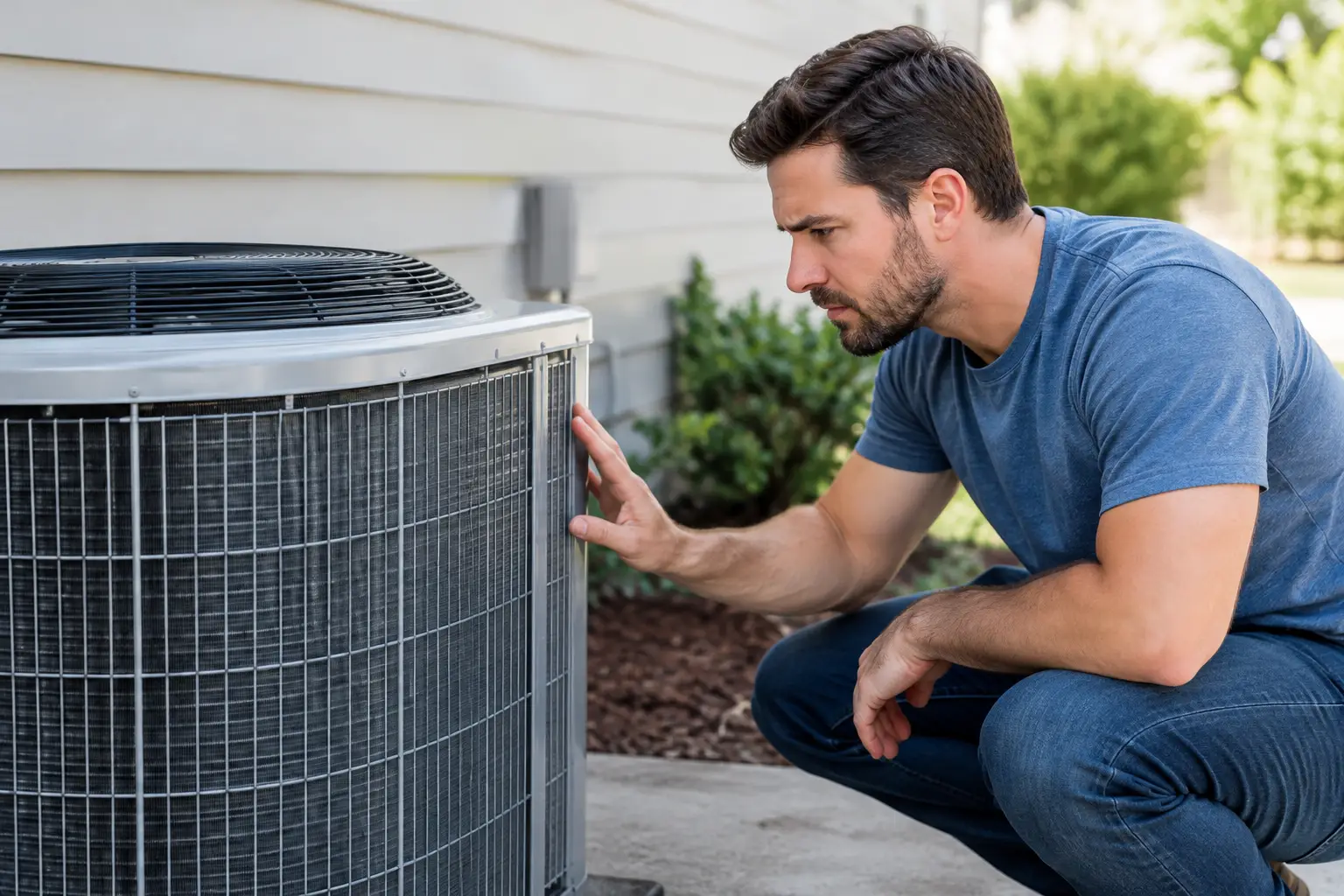
A hot afternoon is the worst time to learn that your air conditioner is not keeping up. If rooms feel sticky, airflow has weakened, or your system is running without bringing the temperature down, prompt AC repair can protect your comfort and help prevent a smaller issue from becoming a more expensive breakdown.
Home cooling problems rarely improve on their own. A clogged drain, worn electrical part, refrigerant issue, or failing blower component can place extra strain on the entire system. Knowing what to watch for helps you make a confident decision before the next heat wave arrives.
Common AC Repair Signs to Watch For
Your air conditioner does not need to stop completely before it needs professional attention. Changes in performance are often the first warning that a component needs service.
Watch for these signs, especially if they appear suddenly or continue after you have checked your thermostat and air filter:
- Warm air blowing from the supply vents when the system is set to cool
- Weak airflow in one room or throughout the house
- Unusual sounds, including buzzing, grinding, rattling, or repeated clicking
- Water around the indoor unit, unusual humidity, or musty odors
- Higher energy bills without a clear change in how you use your system
Some concerns have simple causes. A dirty filter can restrict airflow, while a thermostat with weak batteries or incorrect settings can make a working system appear unreliable. However, recurring issues, water leaks, electrical odors, or ice on refrigerant lines should be checked by a licensed HVAC technician. Turning the system off until it can be inspected may help avoid additional damage.
Why an Air Conditioner May Stop Cooling
An air conditioner cools your home by moving heat outside. When one part of that process is interrupted, comfort drops quickly. The issue may be mechanical, electrical, or related to airflow.
Low refrigerant is one possible cause, but it is not something a system normally uses up. If refrigerant is low, there may be a leak that needs to be located and repaired before the system is recharged. Adding refrigerant without correcting the underlying problem can lead to another service call and continued performance issues.
Restricted airflow is another common concern. A dirty filter, blocked return vent, dirty indoor coil, or failing blower motor can prevent conditioned air from moving properly through the home. In some cases, poor airflow can cause the evaporator coil to freeze. You may notice reduced cooling first, followed by ice buildup and eventually no cool air at all.
Outdoor units also need clear space and proper operation. Leaves, cottonwood, overgrown plants, and debris can limit heat release at the condenser coil. Electrical parts such as capacitors, contactors, and wiring can wear over time as well. These components may cause the unit to hum, cycle repeatedly, or fail to start.
What Professional AC Repair Includes
A dependable repair starts with diagnosis, not guesswork. A qualified technician should assess the symptoms you are experiencing, inspect the system’s major components, and explain the recommended repair in clear terms.
During an AC service visit, the technician may check thermostat operation, electrical connections, capacitor performance, refrigerant pressures, condensate drainage, filter condition, airflow, and coil cleanliness. They will also inspect the outdoor unit and listen for signs of motor or compressor trouble.
The right repair depends on what has failed and why. Replacing a worn capacitor is very different from addressing a refrigerant leak or compressor problem. A professional assessment helps distinguish between a straightforward repair and a concern that may affect the long-term reliability of the equipment.
At Pro West Heating & Air Conditioning, homeowners can expect clear recommendations focused on restoring comfort, improving efficiency, and avoiding unnecessary work. For urgent cooling problems, responsive service matters. A system that has failed during extreme heat can affect sleep, indoor humidity, and comfort for everyone in the home.
Repair or Replace? How to Make the Right Call
Most air conditioning problems can be repaired, particularly when the system is relatively new, has been maintained, and has not required frequent service. Repair is often the practical choice for isolated issues such as a failed electrical component, drain blockage, or blower problem.
Replacement deserves consideration when repairs are becoming repetitive, cooling is inconsistent, or operating costs continue to rise. Age also matters. Many central air conditioners can provide reliable service for 10 to 15 years, but actual lifespan depends on installation quality, maintenance history, usage, and local conditions.
A major repair on an older system is not automatically the wrong choice. It depends on the cost of the repair, the condition of the compressor and coils, the system’s efficiency, and your plans for the home. If the unit is near the end of its useful life, a high-efficiency replacement may offer better comfort and lower operating costs over time. Available rebate programs may also affect the value of an upgrade.
For homes without existing ductwork or for rooms that never cool evenly, alternatives such as ductless mini-splits or heat pumps may be worth discussing. A heat pump provides cooling in summer and heating in cooler months, which can make it a strong option for year-round comfort. The best choice should fit your home, budget, and energy goals rather than follow a one-size-fits-all recommendation.
Simple Steps That Help Prevent Cooling Breakdowns
Homeowners cannot prevent every repair, but routine care can reduce unnecessary strain. Replace or clean your air filter on the schedule recommended for your system and household. Homes with pets, allergies, or frequent HVAC use may need more frequent filter changes.
Keep furniture, rugs, and curtains away from supply and return vents. Outside, maintain clear space around the condenser unit so air can move freely. Do not cover the unit while it is operating, and avoid trying to straighten coil fins or open electrical panels yourself.
Annual maintenance is one of the most effective ways to catch small issues early. A professional tune-up can identify worn parts, drainage concerns, loose electrical connections, and performance problems before they leave you without cooling. Maintenance also supports more consistent comfort by helping your system run as efficiently as possible.
When to Request Emergency AC Service
Not every cooling issue is an emergency, but some situations should not wait. Call for prompt professional help if you smell burning, notice smoke, hear loud mechanical noises, see active water leaking near electrical equipment, or have no cooling during dangerously hot conditions.
If you have young children, older adults, pets, or anyone with health conditions in the home, loss of cooling can become more urgent. While waiting for service, close blinds or curtains against direct sunlight, use fans safely, stay hydrated, and avoid running the system if it is making alarming noises or showing signs of electrical trouble.
Your home should be a place where you can cool down, rest, and feel comfortable when outdoor temperatures climb. If your air conditioner is struggling, schedule an inspection early so you can address the issue with a clear plan instead of waiting for a complete system failure.