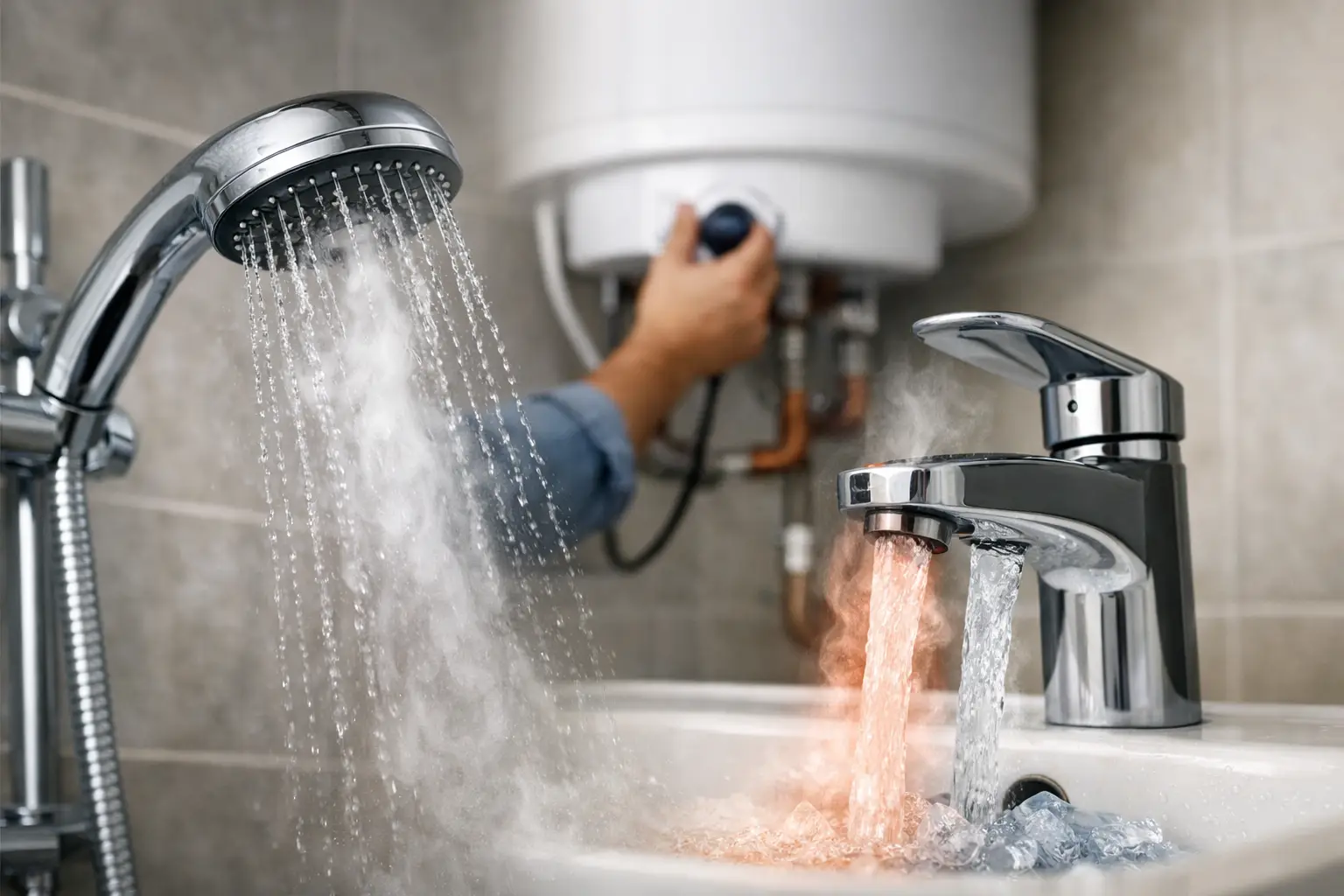
A shower that turns lukewarm halfway through is more than a frustrating start to the day. If you are asking, “why is hot water inconsistent,” the answer can range from a simple fixture issue to a water heater that is no longer keeping up with your household. The pattern matters: Does the temperature change at one faucet, throughout the home, only during busy mornings, or without warning?
Consistent hot water depends on several components working together. Your water heater must produce and store or heat enough water, the plumbing must deliver it without excessive heat loss, and fixtures must mix hot and cold water correctly. Finding the source early can prevent cold showers, water damage, and an inconvenient no-hot-water emergency.
Why Is Hot Water Inconsistent? Start With the Pattern
Before assuming the water heater is failing, pay attention to when and where the problem happens. If one shower is affected but sinks and other showers are fine, the issue may be inside that shower valve or cartridge. If every fixture runs hot for a few minutes and then goes cold, the water heater or its fuel, power, or heating components are more likely involved.
A drop in temperature whenever someone flushes a toilet, starts the dishwasher, or runs a washing machine points to pressure or mixing changes. In older homes, a sudden demand for cold water can reduce hot water flow at the shower. Modern pressure-balancing or thermostatic shower valves are designed to limit this problem, but they can wear out or become clogged over time.
The age of the system is also useful information. A conventional tank water heater commonly lasts eight to 12 years, although water quality, maintenance, and usage can shorten that range. Tankless systems often last longer, but they still need regular descaling and proper sizing to provide dependable performance.
Common Water Heater Causes
The Tank Is Too Small for Household Demand
A tank water heater has a fixed supply of hot water. Once that supply is used, it needs time to recover. If several people shower back-to-back, or appliances run at the same time, a properly working but undersized tank can feel inconsistent.
This is especially common after a household grows, a new soaking tub is installed, or a home’s water-use habits change. The practical solution may be as simple as staggering high-demand activities. If the issue is frequent, a professional can calculate your household’s peak demand and recommend a correctly sized tank or tankless upgrade.
Sediment Has Reduced Tank Capacity
Minerals in the water settle at the bottom of a storage tank. Over time, this sediment layer takes up space and makes heat transfer less efficient. You may notice less available hot water, longer recovery times, popping or rumbling sounds, or higher energy bills.
Sediment is not always visible from the outside, and flushing a neglected tank is not always the right do-it-yourself project. On an older unit, disturbing heavy buildup can expose an existing weak point. A technician can assess the tank’s condition and advise whether maintenance is worthwhile or replacement is the better investment.
A Heating Element or Burner Is Not Working Properly
Electric water heaters typically use two heating elements. When one fails, the unit may still produce some hot water, but not enough for normal use. The result is often a short burst of hot water followed by lukewarm water.
Gas water heaters can develop burner, pilot, ignition, venting, or gas supply problems. If you smell gas, see soot, notice a yellow burner flame instead of a steady blue flame, or suspect a venting issue, stop using the appliance and arrange professional service right away. Combustion-related repairs should not be delayed.
The Thermostat Setting Is Wrong or Unstable
A thermostat set too low may not provide enough usable hot water. A thermostat that is inaccurate or failing can create temperature swings. Most homes benefit from a water heater setting around 120 degrees Fahrenheit, balancing comfort, energy use, and scald protection.
Avoid turning the temperature up repeatedly to compensate for a performance problem. Water that is too hot can cause serious burns, especially for children and older adults. A qualified technician can test the controls and identify whether the issue is a setting, a failed part, or another problem within the system.
Plumbing and Fixture Problems That Mimic a Bad Water Heater
Not every inconsistent hot water complaint starts at the heater. A worn shower cartridge can fail to maintain the intended hot-to-cold mix. Mineral buildup inside the valve can restrict flow. In some cases, a faulty single-handle faucet allows cold water to cross over into the hot water line, affecting other fixtures in the home.
A mixing valve near the water heater can also be responsible. These valves blend very hot water from the tank with cold water before it reaches the fixtures, helping reduce scald risk. When a mixing valve sticks or fails, the water may be too cool, too hot, or unpredictable.
Long pipe runs create another, less serious concern. In a large home, hot water may take longer to reach a distant bathroom or kitchen. That is different from water turning cold during use. A hot water recirculation system can improve wait times, but it should be designed carefully because constant recirculation can increase energy use if it is not controlled properly.
Tankless Water Heater Issues
Tankless water heaters heat water on demand, so they do not run out of stored hot water in the usual way. However, they can still deliver inconsistent temperatures when the unit is undersized, poorly maintained, or operating outside its capacity.
Cold incoming water requires more heating power. During colder months, a tankless unit may produce fewer gallons per minute than it does during warmer weather. If two showers, a dishwasher, and a laundry cycle run at once, the unit may not be able to meet the combined demand.
Scale buildup inside the heat exchanger is another common cause. In areas with mineral-rich water, annual flushing is often needed to protect efficiency and performance. A tankless system can be an excellent long-term option, but only when it is sized for the home’s actual flow requirements and maintained according to the manufacturer’s guidelines.
What You Can Check Safely Before Calling for Service
Start by checking whether the issue affects one fixture or the entire house. Then note whether the temperature changes during high water use, such as flushing a toilet or starting an appliance. This information helps narrow the diagnosis quickly.
For a tank water heater, look around the base for water, corrosion, or signs of leaking. Check that the area is clear and that no one has changed the temperature setting. For an electric unit, confirm the breaker has not tripped. For a gas unit, look for an error code if your model has a display, but do not remove access panels or attempt gas-line repairs.
It also helps to consider the system’s age and service history. A heater that has never been flushed or inspected may have a maintenance issue. A unit near the end of its expected lifespan may be better replaced before it fails completely, particularly if it is already producing unreliable hot water or showing signs of leakage.
When Inconsistent Hot Water Needs Professional Attention
Schedule service promptly if the water alternates between hot and cold throughout the house, there is visible leaking, the unit makes unusual noises, or you see rusty water from hot taps. A sudden loss of hot water, repeated breaker trips, gas odors, or signs of poor combustion warrant urgent attention.
A professional diagnosis is valuable because the right fix depends on the cause. Replacing a shower cartridge will not solve a failing heating element. Increasing a thermostat setting will not correct a sediment-filled tank or an undersized system. The goal is not simply hotter water for a day, but safe, steady performance that matches how your household uses it.
If inconsistent hot water is becoming part of your routine, treat it as a comfort and efficiency signal rather than something to work around. A qualified home comfort technician can identify whether a targeted repair, maintenance visit, or properly sized replacement will give your household dependable hot water again.