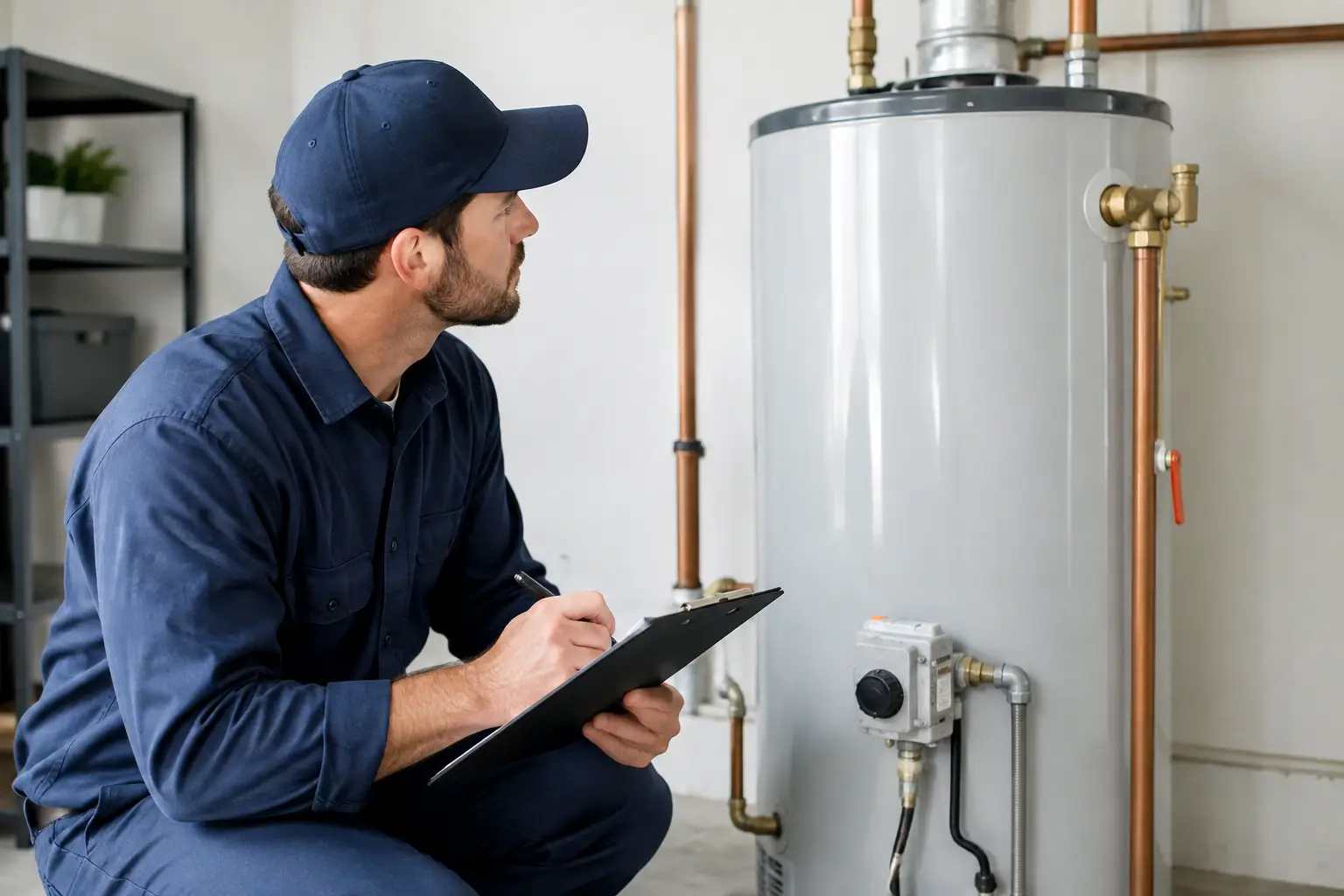
A cold shower is an obvious water heater problem. More often, though, the warning arrives quietly: water that takes longer to heat, a utility bill that keeps climbing, or a small puddle near the tank. Knowing when to replace a water heater can help you avoid a rushed decision, expensive water damage, and days without reliable hot water.
For homeowners, replacement is not always the first answer. A newer unit with a failed valve, heating element, or thermostat may be worth repairing. But an aging tank with corrosion, recurring breakdowns, or poor efficiency often costs more to keep alive than it is worth. The right choice depends on the equipment’s age, condition, repair history, and your household’s hot-water needs.
When to replace a water heater instead of repairing it
A traditional storage-tank water heater commonly lasts about 8 to 12 years. Some last longer with consistent maintenance and favorable water conditions, while others fail sooner because of sediment buildup, heavy demand, or neglected service. Tankless water heaters can often last 15 to 20 years when maintained properly, although their components can still need repair along the way.
Age alone does not make replacement mandatory. A seven-year-old tank with a minor, isolated repair may have plenty of useful life left. On the other hand, a 12-year-old tank that has started leaking or needs an expensive repair is usually a replacement candidate. The closer a unit is to the end of its expected life, the more carefully homeowners should weigh the cost of repair against the security of new equipment and a fresh warranty.
1. The tank is leaking
Water around the base of a tank should be treated seriously. Condensation or a leaking connection can sometimes be corrected, but a leak from the tank body itself usually means internal corrosion has created a breach. A leaking tank cannot be safely repaired.
Turn off the water supply if the leak is significant, protect nearby belongings, and arrange service promptly. Even a slow leak can damage flooring, drywall, insulation, and stored items before it becomes a major puddle.
2. Your hot water has a rusty or discolored appearance
Brown, reddish, or rusty water from hot-water taps may signal corrosion inside the tank. Before assuming the water heater is at fault, a technician should rule out aging pipes or a localized plumbing issue. If the discoloration appears only with hot water and the tank is older, internal tank corrosion becomes more likely.
Anode rods are designed to corrode before the tank does, and replacing one at the right time can extend a heater’s life. Once corrosion has reached the tank lining, however, replacement is the dependable solution.
3. The water heater makes popping or rumbling sounds
Mineral sediment collects at the bottom of a tank over time. As the burner or heating element works beneath that layer, trapped water can bubble and create popping, crackling, or rumbling sounds. The unit may still operate, but it has to work harder to heat the water.
Flushing can help in some cases, especially when performed early and as part of routine maintenance. On an older unit with heavy buildup, flushing may not restore performance and can reveal weaknesses that were already developing. This is a situation where an honest assessment matters more than a one-size-fits-all answer.
4. Hot water runs out faster than it used to
If the first shower of the day is lukewarm or your household suddenly has less hot water available, the cause may be a failed heating element, thermostat issue, sediment, or a dip-tube problem. Several of those repairs can be practical on a younger unit.
However, declining capacity in an older tank can also mean the usable volume has been reduced by sediment or that the system no longer matches your family’s needs. A larger tank, a high-recovery gas model, or a properly sized tankless water heater may provide a better long-term result than repeating repairs.
5. Energy bills are rising without a clear reason
A water heater accounts for a meaningful share of home energy use. When it loses efficiency, it may run longer to deliver the same amount of hot water. Sediment, aging burners, worn electrical components, and heat loss from an older tank can all contribute.
Rising bills do not automatically prove your water heater is failing. Changes in household usage, utility rates, and other heating equipment can also affect costs. Still, if your water heater is near the end of its lifespan, an efficiency review is worthwhile. A newer high-efficiency model can reduce waste while improving hot-water recovery.
6. You are scheduling repairs more than once
One repair does not mean your water heater is done. Replacing a pressure-relief valve, igniter, thermocouple, element, or thermostat can be a sensible repair when the tank is otherwise sound. Repeated service calls are different.
As repairs accumulate, add the likely next repair to the current cost rather than looking at each visit in isolation. If the tank is old, out of warranty, and showing several symptoms, putting those dollars toward replacement is often the more predictable investment.
7. The pressure-relief valve keeps discharging
The temperature and pressure-relief valve is a critical safety component. It may release water because the valve is faulty, but it can also point to excessive pressure or overheating. Do not cap, plug, or ignore this discharge.
A licensed professional should identify the cause quickly. The repair may be straightforward, but ongoing pressure problems can affect the water heater and other plumbing components in the home.
8. Your home’s needs have changed
Sometimes the water heater is functioning as designed, but it is no longer the right system. A growing family, a renovated bathroom, a larger soaking tub, or a new laundry routine can increase hot-water demand beyond what an older tank can deliver.
Replacement is an opportunity to size the system for how you actually live now. Bigger is not always better. An oversized unit can cost more to purchase and operate, while an undersized one creates daily frustration. Proper sizing considers the number of occupants, fixture use, fuel source, peak demand, available space, venting, and electrical capacity.
Choosing between a new tank and a tankless water heater
A standard tank water heater remains a practical choice for many homes. It typically has a lower upfront cost, is familiar to service, and can provide reliable hot water when sized correctly. For households replacing an existing tank in the same location, installation may also be simpler.
Tankless water heaters heat water as it is needed rather than storing it in a tank. They can offer a longer service life, save space, and avoid standby heat loss. Their higher initial cost, installation requirements, and need for periodic descaling should be considered. In homes with hard water or high simultaneous demand, proper selection and maintenance are especially important.
Fuel type matters as well. Gas, electric, hybrid heat pump, and tankless options have different operating costs and installation needs. Available rebates may improve the value of qualifying high-efficiency equipment, but rebates should support a good equipment decision, not drive it.
What to do before your water heater fails
If your unit is nearing the 8- to 12-year range, locate the manufacturer label and confirm its age. The serial number often includes the production date. Watch for corrosion, moisture, odd sounds, inconsistent temperatures, and changes in recovery time.
Do not wait for a tank failure to compare replacement options. A planned installation gives you time to consider efficiency, capacity, budget, and available incentives. It also reduces the risk of having to accept whatever unit is available during an emergency.
Pro West Heating & Air Conditioning can assess your current water heater, explain whether repair or replacement makes financial sense, and recommend a properly sized solution for your home. If you notice a leak, rusty hot water, or a loss of hot water, acting early gives you more choices and greater peace of mind.