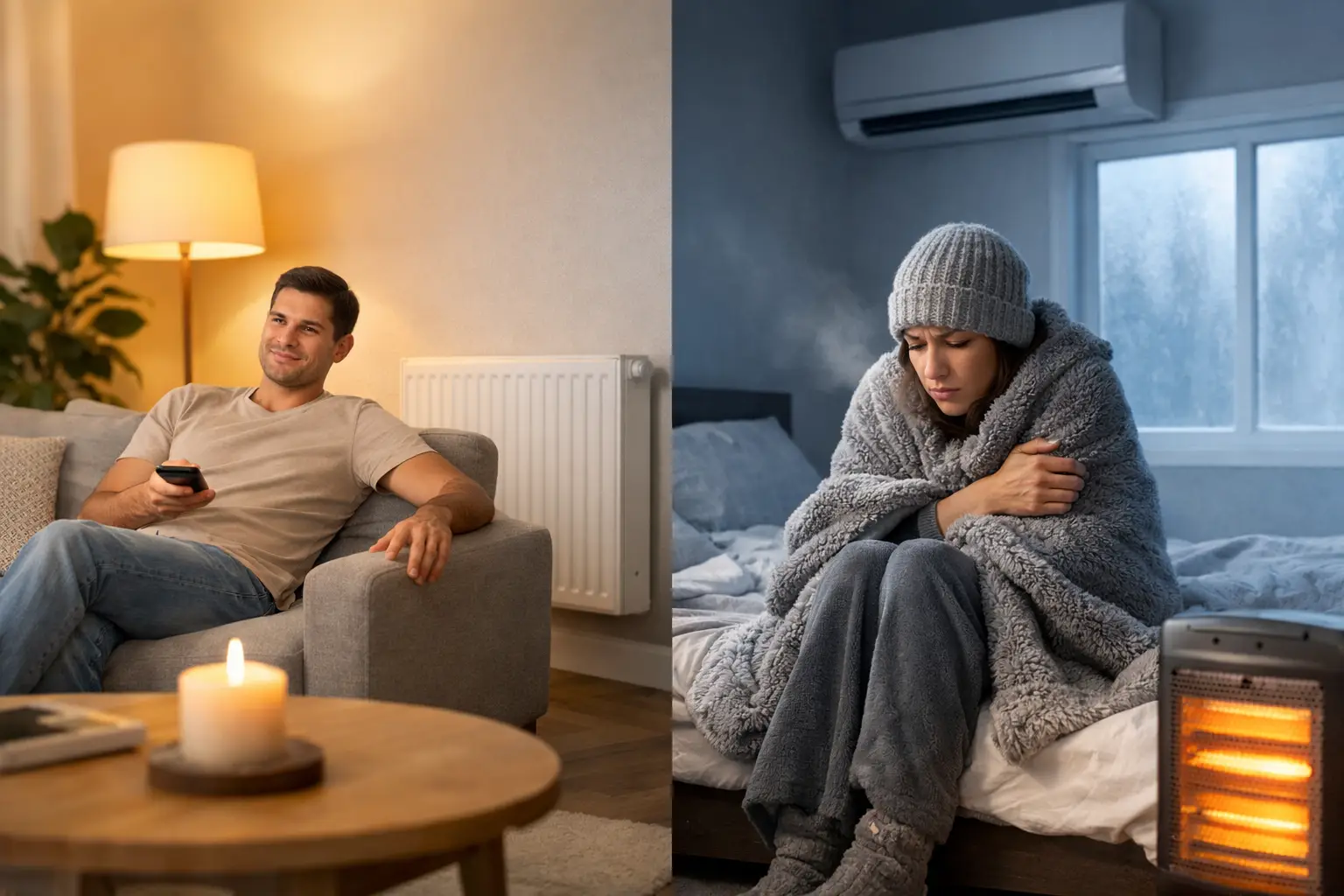
The bedroom that feels like a refrigerator while the living room is too warm is more than a minor annoyance. It can mean wasted energy, higher utility bills, and a heating system working harder than it should. Learning how to fix uneven home heating starts with identifying whether the problem is airflow, insulation, controls, or the equipment itself.
A few simple checks can solve certain comfort problems. Others point to a system that needs professional adjustment, repair, or replacement. The goal is not to make every room identical at every moment. It is to create consistent, comfortable temperatures without forcing your furnace, boiler, or heat pump to run unnecessarily.
Start by Finding the Pattern
Before changing vents or adjusting the thermostat, pay attention to when and where the uneven heating happens. Is one upstairs bedroom always cold? Does the problem only appear during a cold snap? Is the room over the garage uncomfortable, or does the entire far end of the house struggle to warm up?
These details narrow down the cause. A single cold room often points to an airflow restriction, heat loss, or an undersized radiator. Multiple cold rooms may indicate ductwork problems, poor system balance, or heating equipment that is not producing enough heat.
Check the temperature in several rooms at the same time using simple indoor thermometers. Compare rooms with doors open and closed, then note which rooms receive direct sunlight, have exterior walls, sit above unheated spaces, or are farther from the furnace or boiler. This information is useful whether you are troubleshooting on your own or scheduling a service visit.
Check the Easy Airflow Fixes First
For forced-air homes, conditioned air must be able to leave the supply vents and return to the system. A blocked pathway can leave one room cold even when the furnace is operating properly.
Walk through the house and make sure supply registers are fully open in rooms that need heat. Rugs, furniture, drapes, and storage bins can cover vents without anyone noticing. Avoid closing several vents to push heat toward another room. Closing too many registers can raise duct pressure, reduce system performance, and create new comfort problems elsewhere.
Return air vents deserve the same attention. These larger grilles pull air back to the furnace or air handler. If a return is blocked by a sofa, bookcase, or closed interior door, warm air may not circulate effectively. Rooms with tight-fitting doors and no return vent can become especially uncomfortable when the door stays shut overnight.
A dirty furnace filter is another common culprit. Filters protect the equipment, but when they become clogged, they restrict airflow throughout the home. Check the filter monthly during the heating season and replace it according to the manufacturer’s recommendations. Homes with pets, construction dust, or frequent fireplace use may need more frequent changes.
Make Sure Warm Air Can Move Between Rooms
Heating is not only about the air coming from a vent. It is also about the air that has a path back out of the room. In a closed bedroom, supply air can build pressure while the cooler air has nowhere to go. The result is weak airflow and uneven temperatures.
Try leaving interior doors open for a day and see whether the temperature difference improves. If it does, the home may need a better return-air strategy. Depending on the layout, a qualified HVAC professional may recommend return vents, transfer grilles, jump ducts, or carefully planned door undercuts. Each option has trade-offs involving noise, privacy, and installation scope, so it is worth getting advice tailored to the home.
Ceiling fans can also help during winter. Set the fan to rotate clockwise at a low speed. This gently brings warm air that has collected near the ceiling back into the living space without creating a noticeable breeze.
Address Heat Loss Before Blaming the Heating System
The coldest room is often the room losing heat fastest. Large windows, drafty doors, inadequate attic insulation, uninsulated walls, and rooms above garages all create extra demand that a central thermostat may not recognize.
On a cold day, run your hand near window frames, exterior doors, baseboards, and electrical outlets on outside walls. A noticeable draft is a sign that air sealing may be needed. Weatherstripping and door sweeps can make an immediate difference around doors, while window sealing and insulation improvements are often longer-term projects.
Window coverings help, but they are not a complete solution. Open curtains during sunny winter days to gain natural warmth, then close them after sunset to reduce heat loss. If a room remains cold despite good airflow, insulation and air leakage should be evaluated before installing a larger furnace. Oversizing equipment can cause short cycling and uneven comfort in other parts of the home.
How to Fix Uneven Home Heating With Better Controls
One thermostat cannot always represent the temperature of an entire house. This is especially true in multi-story homes, homes with finished basements, additions, large window areas, or rooms with different sun exposure.
First, check thermostat placement. A thermostat located near a kitchen, fireplace, sunny window, supply vent, or exterior door can read an inaccurate temperature and shut the system off too soon. It should be mounted in a representative area away from heat sources and drafts.
A programmable or smart thermostat can improve comfort by following a schedule that matches how you use the home. However, a smarter thermostat cannot correct major duct, insulation, or equipment issues on its own. If the thermostat says the main floor is comfortable while bedrooms are cold, remote sensors may help it prioritize occupied rooms at different times of day.
For persistent room-to-room differences, zoning may be the right solution. Zoning divides the home into separate heating areas using multiple thermostats and, in forced-air systems, controlled dampers. It is particularly effective for two-story homes, additions, and homes with distinct living and sleeping areas. The trade-off is higher installation cost and the need for a system designed to handle changing airflow properly.
Consider Your Type of Heating System
The right repair depends on how your home is heated. A forced-air furnace may have leaking, disconnected, undersized, or poorly balanced ducts. Ducts running through an attic, crawlspace, or garage can lose substantial heat before it reaches the room. Professional duct sealing, insulation, and balancing can often improve comfort without replacing the furnace.
In boiler and radiator homes, uneven heat may come from trapped air, low system pressure, a circulation problem, or radiator valves that are not operating correctly. A radiator that stays cool at the top may need bleeding, while a radiator that does not heat at all may need a more thorough service inspection. Do not adjust boiler controls or pressure settings unless you understand the system and manufacturer guidance.
Radiant floor heating has different concerns. Uneven floor temperature can result from zone control issues, circulation pump problems, air in the loops, or furniture and thick rugs limiting heat transfer. Heat pumps can also produce uneven temperatures when airflow is restricted, refrigerant performance is affected, or the system is not properly sized for the home.
Know When a Professional Assessment Is Worth It
Call for professional heating service if you notice weak airflow at multiple vents, loud duct noises, a furnace that runs constantly, cold radiators, repeated thermostat adjustments, unusual odors, or a sudden increase in energy costs. These symptoms can indicate more than a comfort issue. They may point to a safety concern, failing component, or system that is losing efficiency.
A proper assessment should look beyond the furnace or boiler. A qualified technician can inspect filter condition, blower performance, ductwork, combustion operation, thermostat settings, vent and return placement, boiler circulation, and overall system capacity. For homes considering an upgrade, a room-by-room load calculation is far more reliable than choosing equipment based only on the size of the existing unit.
Pro West Heating & Air Conditioning can help homeowners identify whether uneven heating calls for a straightforward repair, airflow improvement, zoning solution, or an energy-efficient system upgrade. Clear recommendations matter because the lowest-cost fix is not always the one that delivers lasting comfort.
Prevent Uneven Heating From Returning
Regular maintenance keeps small issues from turning into all-season comfort problems. Replace filters, keep vents clear, test thermostat schedules, and have heating equipment serviced before the coldest part of the year. If you make renovations, add insulation, finish a basement, or convert a garage space, revisit the heating plan as well. The system that worked for the original layout may not be balanced for the home you have now.
A comfortable home should not require everyone to wear a sweater in one room and open a window in another. Start with the simple airflow and heat-loss checks, then bring in an experienced HVAC professional when the pattern points to a larger issue. The right correction can make every room feel more livable while helping your heating system operate the way it was meant to.